• soniflex.de
  • soniflex.com.tr
  • soniflex.ch
  • soniflex.cz
  • soniflex.sk
Go to homepage
Your account
Log in
or sign up
Overview Your profile Addresses Payment methods Orders
€0.00*
Home
Noise control products
Applications
Information Service
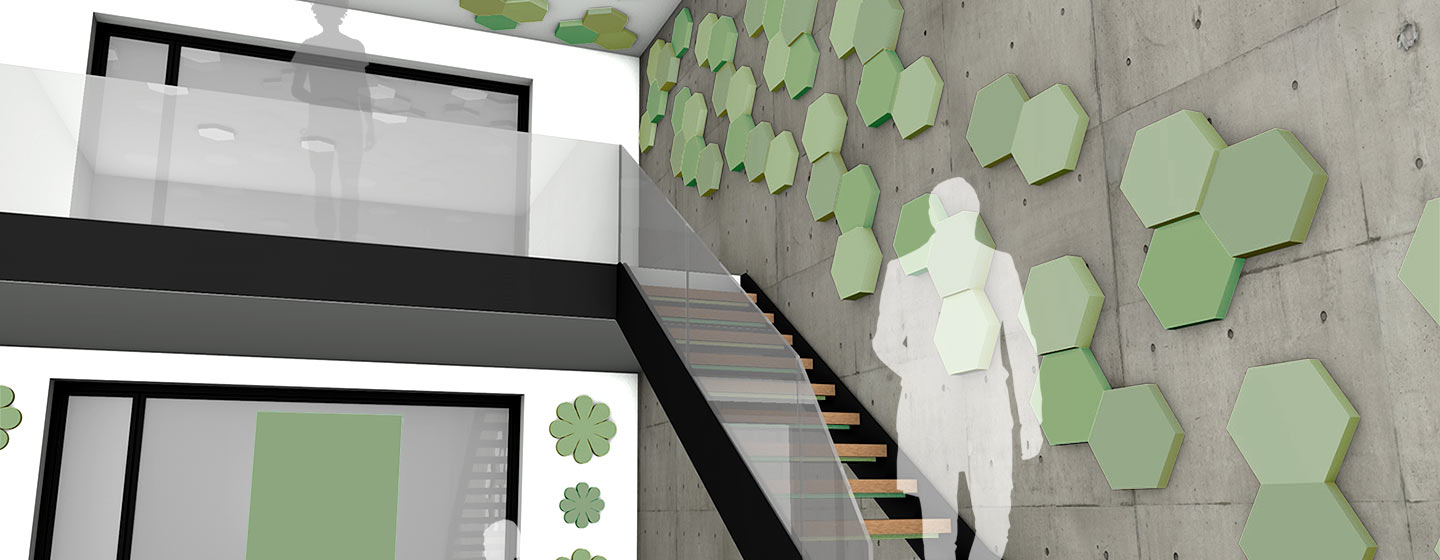
Treppenaufgang in einer Wohnung. An der Wand hängen Akustikelemente soni HEXAGON Room acoustics
  • Office | Callcenter
  • Hospitality facility | Lunchroom
  • Indoor swimming pool | Sports facility
  • Kindergarden | School
  • Waiting rooms | Doctor's office
  • Living space | Staircase
  • Clubhouse | Banquet hall
  • Sound studio | Rehearsal room
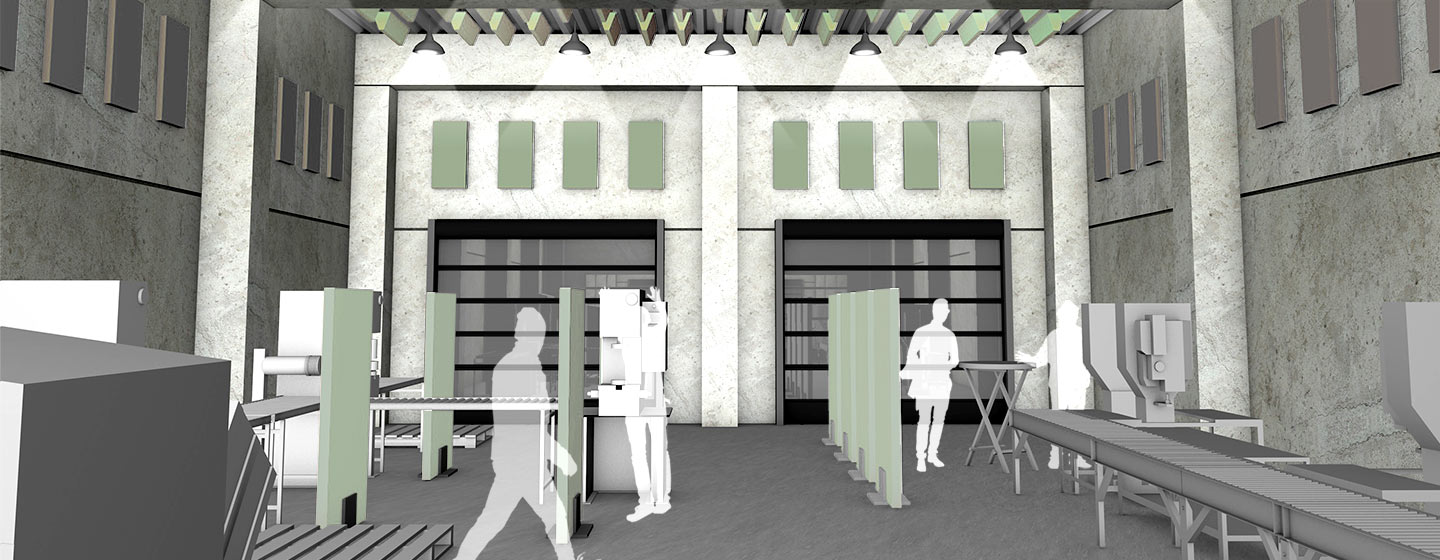
Produktionshallte mit Maschinen und einem Förderband. An der Wand hängen Akustikelemente soni COLOR. Technical noise control
  • Production hall | Workshop | Utility room
  • Machine | Compressor
  • Wall towards neighbors | Curtain wall
Einfamilienhaus mit Garten, Pool und Carport, im Carport steht ein Boot und ein Auto. Sound insulation in the outside area
  • Pool pump
  • Car | Motor | Boat
  • Heat pump | HVAC
  • Noise protection fence
Kindergarten, an der Wand hängen Akustikelemente in verschiedenen Tierformen. Sound absorption materials
  • Basotect | melamine foam
  • Polyester- / PES non-wovens
  • Polyurethane | PU foam
  • Egg crate foam / Pyramid foam
  • Colorful acoustic panels
  • Acoustic pictures
  • Tiles for grid ceilings
  • Flame retardant
2 Kellerräume nebeneinander, die Wand dazwischen wurde mit Schalldämmmaterial von soniflex gedämmt. Sound insulation
  • Humid or wet conditions
  • For Outdoor area
  • Drywall construction | curtain wall
  • Sandwich panels
  • Compressor jacket
  • Door sound insulation
Produktionshallte mit Maschinen und einem Förderband. An der Wand hängen Akustikelemente soni COLOR. Heavy layers
  • Anti-drumming heavy layers
  • Bitumen heavy layer
  • Synthetic heavy layer
Information Service
  • FAQ | Questions & Answers
  • Videos
  • Glossary
  • Leaflets & brochures
  • Room Acoustics Measurement app
About us
  • Cellofoam & soniflex
  • Environment & Sustainability
  • Large projects
Übersicht verschiedener Schaumstoffplatten auf PU-Basis Order soundproofing mats
  • soniflex.de
  • soniflex.com.tr
  • soniflex.ch
  • soniflex.cz
  • soniflex.sk
Categories
  • Noise control products
  • Applications
  • Information Service
  1. Lexicon
  2. S
  3. Schallisolierung
  • Noise control products
  • Applications
  • Information Service
Lexicon: S
Schallisolierung
Sonic speed
Sound
Sound absorption coefficient
Sound bridge
Sound conditioning of rooms/Reverberation/Sound absorber
Sound insulation
Sound power
Sound pressure
Sound pressure level
Sound reduction index R
Sound waves
Sound/acoustic spectrum
Structure-borne sound
A B C D F H I M N O P R S T U W
Start Page | Table of Contents
Lexicon Navigation
A B C D F H I M N O P R S T U W Start Page Table of Contents

Schallisolierung

Schallisolierung bezeichnet Maßnahmen, die die Übertragung von Schall von einer Schallquelle zu einem anderen Bereich reduzieren. Ziel ist es, die Ausbreitung störender Geräusche zu begrenzen und dadurch die akustische Belastung für Menschen, Maschinen und die Umgebung zu verringern.

Schallisolierung ist ein wichtiger Bestandteil des technischen Schallschutzes und kommt unter anderem bei Maschinen und Anlagen, Fahrzeugen, Wärmepumpen, technischen Geräten sowie in Gebäuden zum Einsatz.


Was bedeutet Schallisolierung?

Schall kann sich über unterschiedliche Wege ausbreiten. Dabei wird grundsätzlich zwischen Luftschall und Körperschall unterschieden.

Luftschall breitet sich über die Luft aus und entsteht beispielsweise durch Motoren, Lüfter, Maschinen oder Gespräche. Trifft der Schall auf Bauteile, kann er diese zum Schwingen anregen und dadurch weiter übertragen werden.

Körperschall wird dagegen über feste Materialien weitergeleitet. Schwingungen von Motoren, Pumpen oder anderen Maschinen können beispielsweise in Gehäuse, Rahmen oder angrenzende Bauteile eingeleitet werden.

Eine wirksame Schallisolierung berücksichtigt deshalb nicht nur das verwendete Material, sondern auch den Aufbau und die Konstruktion des gesamten Systems.


Wie funktioniert Schallisolierung?

Schallisolierung wird hauptsächlich durch Maßnahmen zur Schalldämmung und Körperschallentkopplung erreicht. Je nach Anwendung können zusätzlich schallabsorbierende Materialien eingesetzt werden.

Bei der Schalldämmung wird die Übertragung von Schall durch Bauteile reduziert. Hierfür eignen sich beispielsweise schwere und dichte Materialien wie Schwerfolien. Sie erhöhen die flächenbezogene Masse einer Konstruktion und erschweren dadurch die Weiterleitung von Schall.

Schallabsorbierende Materialien wie Akustikschaumstoffe und Akustikvliese verfolgen einen ergänzenden Ansatz. Sie nehmen einen Teil der Schallenergie auf und reduzieren dadurch Reflexionen und Nachhall. Besonders innerhalb von Maschinengehäusen, Kapselungen oder Räumen können sie die akustische Situation deutlich verbessern.

Bei der Körperschallentkopplung werden schwingende Bauteile mechanisch voneinander getrennt. Dadurch lässt sich verhindern, dass Vibrationen und Körperschall von einer Maschine oder einem Aggregat in angrenzende Konstruktionen übertragen werden.

In vielen technischen Anwendungen werden diese Maßnahmen miteinander kombiniert.


Schallisolierung und Schallabsorption – wo liegt der Unterschied?

Die Begriffe werden im Alltag teilweise synonym verwendet, beschreiben technisch jedoch unterschiedliche Wirkungen.

Schallisolierung beziehungsweise Schalldämmung zielt darauf ab, die Übertragung von Schall zwischen verschiedenen Bereichen zu reduzieren. Ein typisches Beispiel ist die Dämmung eines Maschinengehäuses, damit möglichst wenig Schall nach außen gelangt.

Schallabsorption reduziert dagegen Schallreflexionen innerhalb eines Raumes oder einer Konstruktion. Akustikschaumstoffe oder Akustikvliese können beispielsweise den Nachhall innerhalb einer Maschinenkapsel oder eines Raumes reduzieren.

Eine wirksame Schallschutzlösung kombiniert je nach Aufgabenstellung beide Prinzipien.


Schallisolierung bei Maschinen und Anlagen

Maschinen, Motoren, Pumpen, Kompressoren und andere technische Anlagen können sowohl Luftschall als auch Körperschall erzeugen.

Eine Möglichkeit zur Schallisolierung besteht darin, die Schallquelle zu kapseln oder mit einer schalltechnisch optimierten Verkleidung zu versehen. Die Konstruktion kann dabei aus mehreren Schichten bestehen: Schallabsorbierende Materialien reduzieren Reflexionen innerhalb der Kapsel, während schalldämmende Schichten die Übertragung nach außen verringern.

Zusätzliche Entkopplungselemente können verhindern, dass Vibrationen in die Maschinenkonstruktion oder angrenzende Bauteile eingeleitet werden.


Schallisolierung bei Fahrzeugen

In Fahrzeugen entstehen Geräusche unter anderem durch Motoren, Getriebe, Lüfter, Pumpen und Fahrbewegungen. Schallisolierende Materialien können in Motor-, Fahrgast- und Technikbereichen eingesetzt werden, um die Übertragung von Betriebs- und Fahrgeräuschen zu reduzieren.


Schallisolierung bei Wärmepumpen

Wärmepumpen, insbesondere Außeneinheiten, können durch Verdichter, Ventilatoren und andere Komponenten Betriebsgeräusche erzeugen. Eine gezielte Schallisolierung kann dazu beitragen, die Geräuschübertragung in die Umgebung zu reduzieren.

Dafür können beispielsweise schallabsorbierende Auskleidungen, schalldämmende Konstruktionen oder speziell entwickelte Schallschutzgehäuse eingesetzt werden. Bei der Planung müssen gleichzeitig die erforderliche Luftführung, Wärmeabfuhr und technische Zugänglichkeit berücksichtigt werden.


Welche Materialien werden zur Schallisolierung eingesetzt?

Je nach Anwendung kommen unterschiedliche Materialien und Materialkombinationen zum Einsatz:

• Schwerfolien: Zur Erhöhung der Masse und Reduzierung der Schallübertragung
• Akustikschaumstoffe: Zur Absorption von Schall und Reduzierung von Reflexionen
• Akustikvliese: Zur Schallabsorption und als Bestandteil mehrschichtiger Dämmsysteme
• Verbundmaterialien: Zur Kombination von Schalldämmung und Schallabsorption
• Entkopplungsmaterialien: Zur Reduzierung der Übertragung von Körperschall und Vibrationen
• Schallschutzgehäuse und Kapselungen: Zur gezielten Abschirmung von Schallquellen

Welche Kombination geeignet ist, hängt unter anderem von Schallpegel, Frequenzbereich, Schallart, Bauraum und den technischen Umgebungsbedingungen ab.


Wie wird Schallisolierung gemessen?

Die akustische Wirkung einer Konstruktion kann mit verschiedenen Kenngrößen beschrieben werden. Der Schallpegel wird üblicherweise in Dezibel (dB) angegeben. Für die Beurteilung der Schalldämmung von Bauteilen kommen je nach Anwendung weitere akustische Kennwerte zum Einsatz.

Dabei ist wichtig: Eine einzelne Angabe in Dezibel beschreibt nicht automatisch die gesamte Leistungsfähigkeit einer Schallisolierung. Die Wirkung kann beispielsweise von der Frequenz des Schalls, dem Materialaufbau und der Einbausituation abhängen.


Schallisolierung gezielt planen

Eine effektive Schallisolierung beginnt mit der Analyse der Schallquelle und des Übertragungsweges. Entscheidend ist zunächst, ob hauptsächlich Luftschall, Körperschall oder eine Kombination aus beiden vorliegt.

Anschließend kann festgelegt werden, ob eine Schalldämmung, Schallabsorption, Körperschallentkopplung oder eine Kombination verschiedener Maßnahmen erforderlich ist.

Besonders bei technischen Anwendungen müssen zusätzlich Faktoren wie Temperatur, Feuchtigkeit, Brandverhalten, mechanische Belastbarkeit, Gewicht und verfügbarer Bauraum berücksichtigt werden.


Schallisolierung im Überblick

Schallisolierung ist ein wichtiger Bestandteil des technischen Schallschutzes. Sie reduziert die Übertragung von Geräuschen und kann dadurch dazu beitragen, Lärm zu mindern, den akustischen Komfort zu erhöhen und die Geräuschbelastung für Menschen und die Umgebung zu reduzieren.

Von Maschinen und Fahrzeugen bis hin zu Wärmepumpen und technischen Anlagen kommen unterschiedliche Materialien und Konstruktionsprinzipien zum Einsatz. Eine besonders wirksame Lösung entsteht häufig durch die Kombination aus Schalldämmung, Schallabsorption und Körperschallentkopplung.

Die passende Schallisolierung sollte daher immer auf die jeweilige Schallquelle, den Übertragungsweg und die technischen Anforderungen der Anwendung abgestimmt werden.
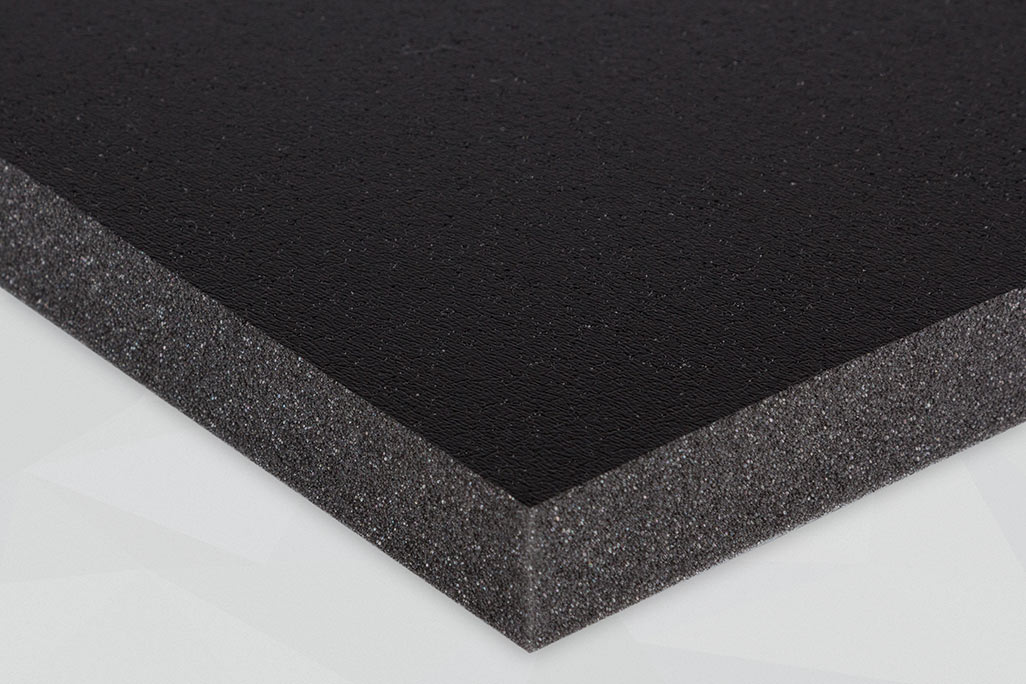

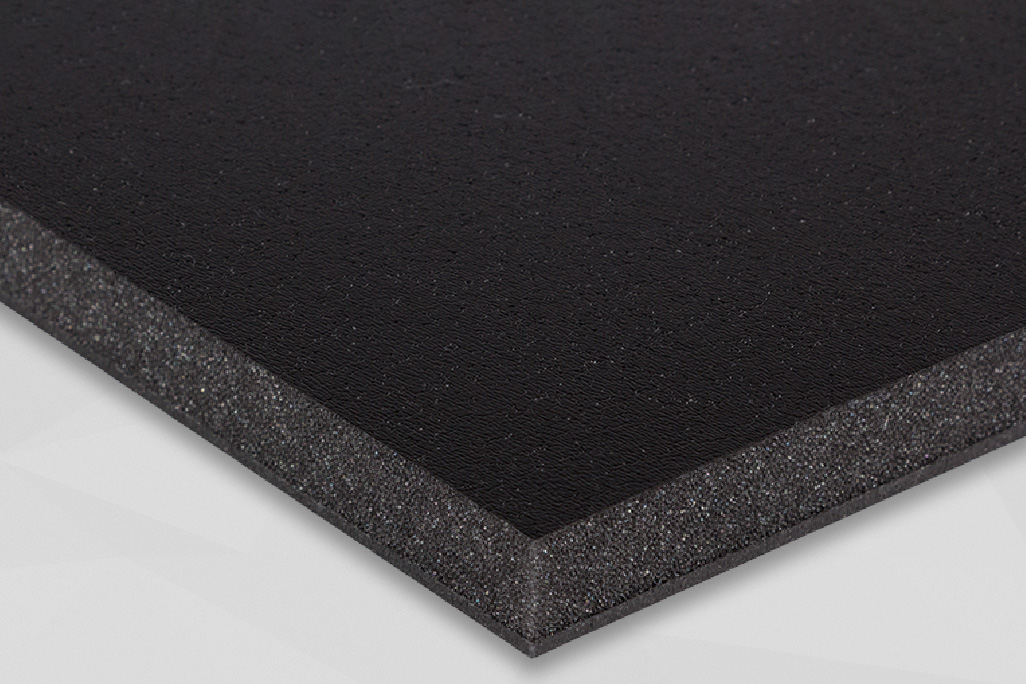
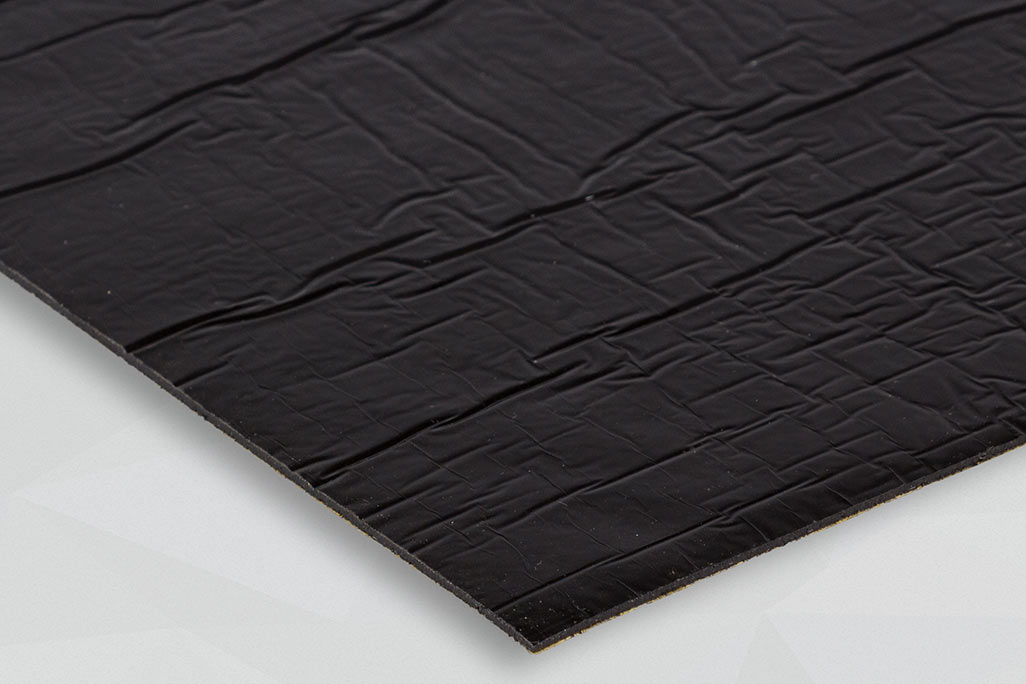
Section of a PUR foam panel with black foil surface Section of a PUR foam panel with black foil surface
soni 491
soni 491 – PUR acoustic mat with micro-perforated film for long-lasting sound insulation Effective sound insulation and temperature insulation from soniflex Our PUR acoustic mat soni 491 is a high-quality soundproofing and insulation solution that has been specially developed for vehicle and engine compartment applications. The surface is coated with a micro-perforated, sound-permeable film that is easy to wipe clean and prevents the penetration of dirt, dust and liquids. Areas of application for soni 491 – Versatile, robust and durable The soni 491 acoustic mat is successfully used for noise reduction and temperature insulation in various areas: ✔ Vehicle and engine compartment lining ✔ Interior panelling in motorhomes, classic cars or commercial vehicles ✔ Sound insulation in machine housings and technical rooms ✔ Roller shutter box insulation to reduce draughts and noise Safety in accordance with the highest standards For vehicle construction, soni 491 meets the fire safety standards required by FMVSS 302 and DIN 75200. This means that the acoustic mat can also be used without any problems in safety-relevant areas – both in commercial and private environments. Easy installation and flexible processing The self-adhesive backing enables quick, clean and time-saving installation on almost all smooth, dust-free surfaces. Individual cuts can be made precisely and easily with a craft knife – just as required. Advantages of soni 491 at a glance ✔ High-quality PUR acoustic mat with micro-perforated, wipeable film ✔ Effective sound and heat insulation ✔ Oil, dirt and liquid repellent ✔ High hydrolysis resistance for long service life ✔ Self-adhesive and easy to use ✔ Complies with fire standards FMVSS 302 and DIN 75200 ✔ Ideal for vehicle insulation, machine rooms and roller shutter boxes

Content: 0.5 m² (€25.80* / 1 m²)

Variants from €14.40*
€12.90*
Details
Section of a PUR foam panel with black foil surface Section of a PUR foam panel with black foil surface
soni 491 STL
soni 491 STL – Sound insulation board with heavy foil for effective wall and ceiling insulation Combined sound insulation and sound absorption in one product Our soni 491 STL sound insulation board is a highly effective PUR foam-based sound insulation product that is additionally combined with a heavy bitumen foil. The acoustic foam with sound-permeable foil ensures optimum sound absorption, while the bitumen layer effectively insulates and blocks sound. This intelligent combination of materials combines both sound insulation and sound absorption properties in a single product – ideal for anyone who wants to effectively reduce noise and create a quieter environment. Areas of application – versatile, efficient and reliable soni 491 STL is used wherever noise and sound transmission needs to be reduced – for example: ✔ Wall insulation between neighbouring flats ✔ Partition walls or ceilings in apartment buildings ✔ Technical rooms, machine rooms or workshops ✔ Cellars, garages and house walls The sound insulation board is ideal for retrofitting existing walls or ceilings with sound insulation – for example, by constructing a facing shell or cladding partition walls. Tip for constructing a facing shell: A facing shell is a very effective way of significantly improving wall insulation between neighbouring properties. Here's how to do it: 1. Attach battens: Attach 30 mm or 50 mm thick wooden battens to the wall. Use our soni NBR sealing tape to insert an elastic layer between the wall and the battens. This prevents sound bridges. 2. Insert sound insulation boards: Fill the gaps with soni 491 STL to achieve both sound insulation and sound absorption. 3. Attach cladding: Screw plasterboard or chipboard onto the battens. 4. Decoupling & joint sealing: Separate the construction from the floor, ceiling and adjacent walls with a small gap and seal the joints with acrylate for maximum insulation performance. Tip: In our experience report ‘Neighbourhood / facing shell’, you will find a practical example of how soni 491 STL can significantly improve the sound insulation of a wall. Alternative with visible surface: soni COMPOSITE If plasterboard cladding is too costly for you, we recommend our soni COMPOSITE as an alternative. This material combines sound insulation and sound absorption like soni 491 STL, but has a decorative felt surface in various colours – perfect for visible areas. Advantages of soni 491 STL at a glance ✔ Combined sound and heat insulation ✔ Heavy bitumen foil for high sound insulation ✔ PUR foam for strong sound absorption ✔ Wipeable, micro-perforated surface ✔ Self-adhesive and easy to process ✔ Effective noise reduction between neighbouring flats ✔ Ideal for facing shells, wall insulation, ceiling cladding ✔ Easy installation with a cutter knife and adhesive surface

Content: 0.5 m² (€41.80* / 1 m²)

€20.90*
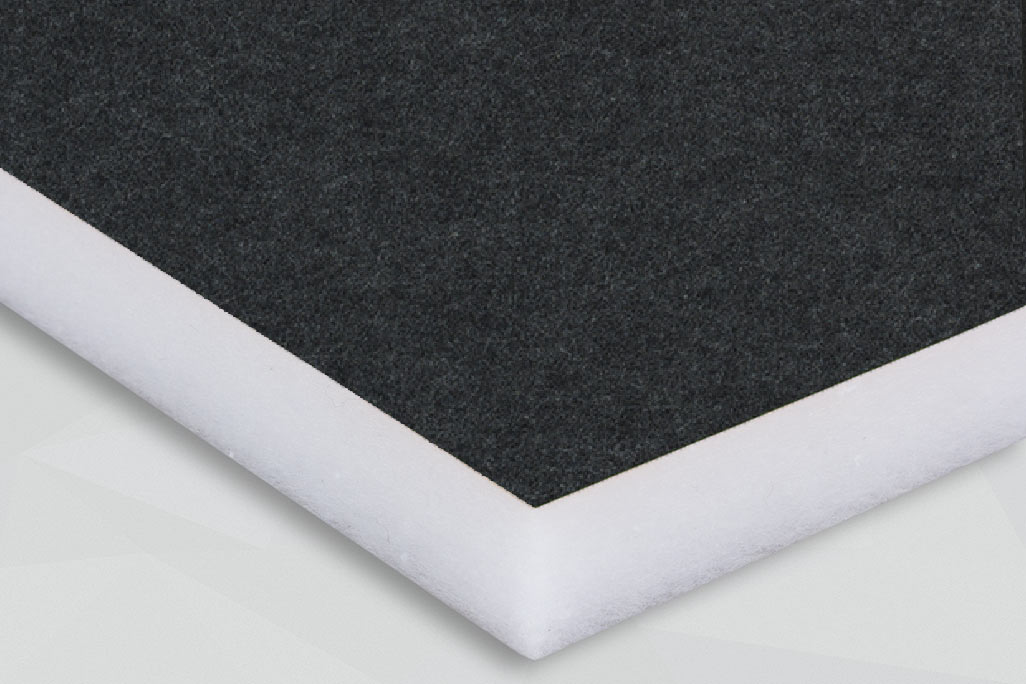
Section of a PES fleece absorber with colored fleece surface, anthracite color Section of a PES fleece absorber with colored fleece surface, anthracite color
soni COLOR
soni COLOR – Coloured acoustic absorbers for modern interior design and optimal acoustics Acoustic panels from soniflex: Design meets function The soni COLOR acoustic absorber consists of a high-quality white polyester non-woven laminated with a finely structured felt surface in attractive, trendy colours. This combines aesthetic design and effective sound absorption to create the perfect solution for rooms where a feel-good atmosphere and acoustics are equally important. With decorative soni COLOR acoustic panels, you can create pleasant room acoustics in offices, nurseries, classrooms, meeting rooms or living areas, improving concentration, communication and comfort. Pleasant room acoustics with style The combination of sound-absorbing non-woven and open-pored felt surface effectively absorbs sound and significantly reduces reverberation. For a noticeable improvement in room acoustics, we recommend covering 30–50% of the wall or ceiling surfaces with soni COLOR. Even distribution of the panels ensures a harmonious sound and a significantly quieter room effect. Safety through tested fire protection soni COLOR meets the fire standards required for the construction sector in accordance with the European standard DIN EN ISO 13501. This makes the acoustic absorber safe, durable and versatile – even in public or commercial spaces with strict fire safety requirements. Ideal for: ✔ Offices and meeting rooms ✔ Classrooms and educational spaces ✔ Living rooms and hallways ✔ Kindergartens, medical practices and public buildings Easy installation – flexible and clean Installing soni COLOR acoustic panels is incredibly easy: ✔ With our soni SPECIAL ADHESIVE, you can securely attach the panels to smooth, clean surfaces. ✔ If you do not want to cover the entire surface, we recommend soni VELCRO TAPE – ideal for flexible wall mounting (not suitable for ceiling mounting). This allows you to design your rooms quickly, cleanly and individually – without any great effort. Advantages of soni COLOR at a glance ✔ Effective sound absorption for noticeably better room acoustics ✔ Decorative felt surface in modern, trendy colours ✔ Complies with fire standard DIN EN ISO 13501 ✔ Easy installation with adhesive or Velcro tape ✔ High-quality polyester fleece, durable and dimensionally stable ✔ Ideal for offices, schools, practices, living spaces and public buildings

Content: 0.5 m² (€71.80* / 1 m²)

€35.90*
Details
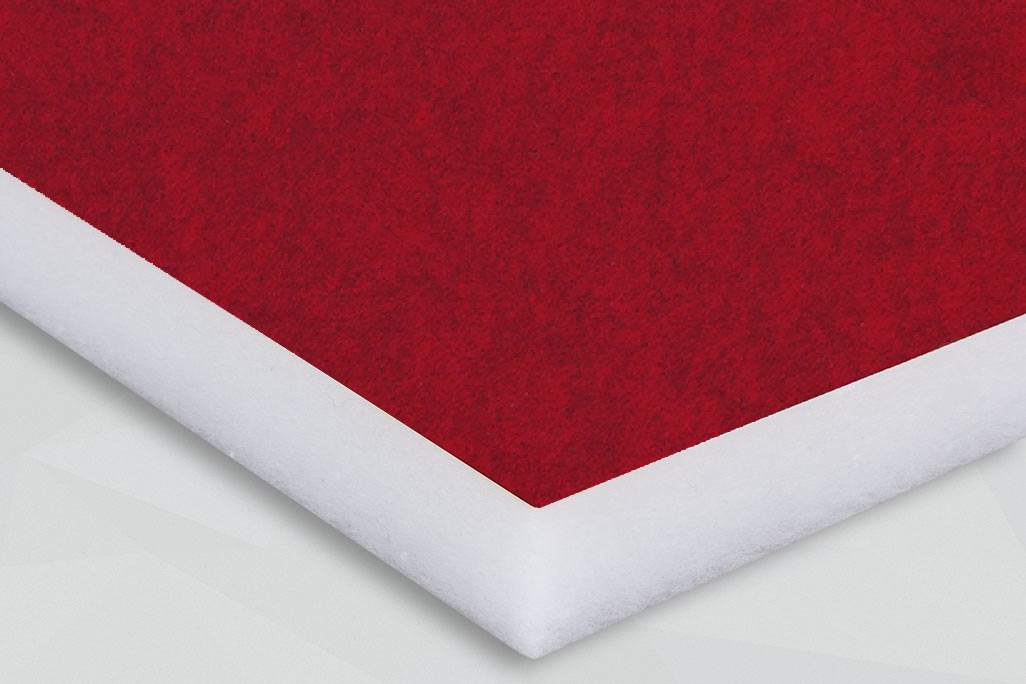
White PES fleece panel, horizontal, with a mottled felt surface in the color red White PES fleece panel, horizontal, with a mottled felt surface in the color red
soni COLOR RD
soni COLOR RD – Acoustic inserts for grid ceilings soni COLOR RD is our high-quality acoustic insert for grid ceilings measuring 620 x 620 mm, which can be easily inserted into existing suspended standard grid ceilings or Odenwald ceilings (OWA). The elements consist of a sound-absorbing white polyester fleece, laminated with a thin, mottled felt surface in current trend colours. They thus combine aesthetic design and effective sound absorption in one product. Grid ceilings – function and advantages Grid ceilings consist of inserts in a supporting grid and are mainly used in offices, schools, medical practices, restaurants and public buildings. They enable flexible room design, easy access to cables and the integration of lighting, ventilation or acoustic elements. A common problem with grid ceilings is excessive reverberation, as the smooth ceiling surfaces reflect sound. soni COLOR RD noticeably reduces reverberation and noise levels, creating quiet, pleasant working and learning environments. Effective room acoustics with soni COLOR RD soni COLOR RD acoustic elements significantly reduce the sound level in a room and help to improve room acoustics in offices, meeting rooms or doctors' surgeries. soni COLOR RD is also a proven acoustic element for noise reduction in schools, daycare centres and nurseries. soni COLOR RD acoustic elements significantly improve room acoustics, reduce disturbing noises and increase speech intelligibility. They are ideal for: ✔ Offices & meeting rooms – less noise, better concentration ✔ Medical practices & care facilities – more pleasant room climate for patients and staff ✔ Schools, daycare centres & nurseries – targeted noise reduction for concentrated learning ✔ Restaurants & canteens – quieter atmosphere for guests ✔ Home offices & living spaces – comfortable, relaxed environment Fire protection and standards soni COLOR RD complies with the fire standards required for the construction industry in accordance with DIN EN ISO 13501-1. This means that the acoustic elements can be used safely in ceilings and as wall cladding – wherever fire protection regulations must be observed. Installation instructions – flexible and simple ✔ Installation in grid ceilings: The elements are simply inserted into the grid ceiling – no additional fastening is necessary. ✔ As wall absorbers: For installation on smooth, clean surfaces, we recommend our soni SPECIAL ADHESIVE ✔ Alternative installation: soni VELCRO TAPE can be used for removable fastening. Note: Only suitable for wall mounting, not for ceilings ✔ Or with WIKO spray adhesive, which is also very well suited for installing wall absorbers Design meets function Thanks to its modern felt surface and wide range of colour options, soni COLOR RD can be creatively integrated into any interior design. This harmoniously combines acoustic measures and interior design, ensuring a pleasant noise level in offices, educational institutions and catering establishments.

Content: 0.384 m² (€67.19* / 1 m²)

€25.80*
Details
Section of a black plastic heavy foil soni EVA Section of a black plastic heavy foil soni EVA
soni EVA
soni EVA – Elastic heavy layer for sound and vibration insulation soni EVA is a soft, elastic heavy layer based on EPDM/EVA polymers with an admixture of flame-retardant minerals. It is ideal for technical applications, vehicle construction and mechanical engineering, where vibrations, rumbling and sound transmission need to be reduced. High-quality properties of soni EVA ✔ Vibration damping: Reduces the rumbling and vibration of metal and sheet metal structures. ✔ Sound insulation: Prevents the transmission of noise and ensures a quieter environment. ✔ Mechanical & self-adhesive: The self-adhesive backing serves as an installation aid, especially for horizontal surface mounting. For vertical or overhead mounting,     additional mechanical fastening is recommended. Areas of application for soni EVA soni EVA is a proven material for: ✔ Vehicles: doors, bonnets, boot, interior trim. ✔ Mechanical engineering: covers, metal structures, vibration protection plates. ✔ Technical applications: sound insulation in workshops, industrial plants, metal structures.

Content: 0.5 m² (€27.80* / 1 m²)

Variants from €14.40*
€13.90*
Details
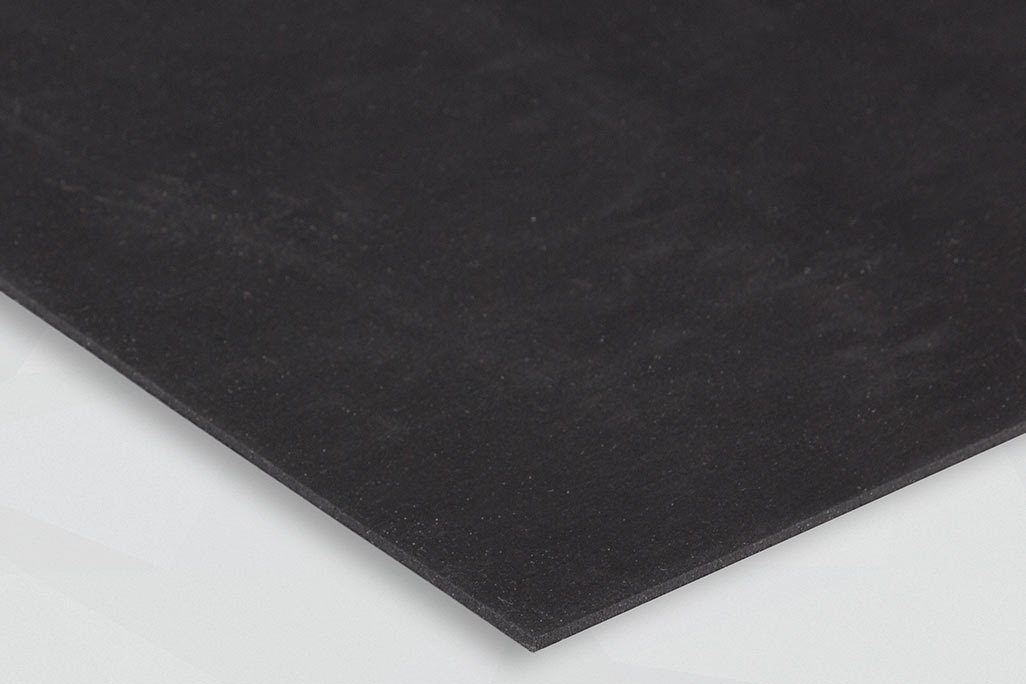
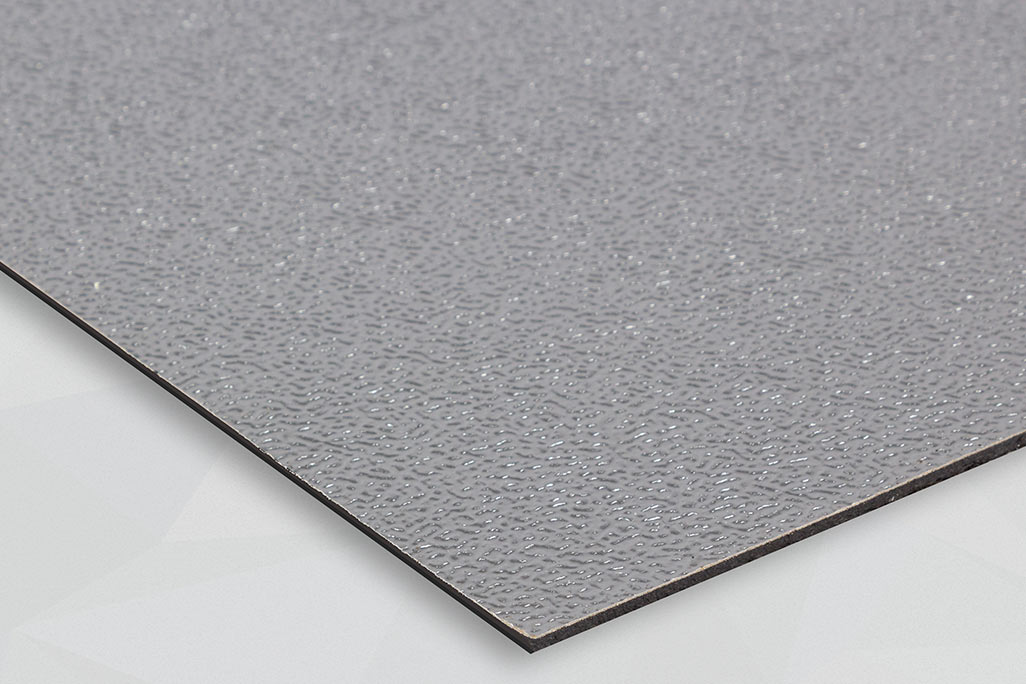
Section of a black bitumen heavy foil soni HEAVY Section of a black bitumen heavy foil soni HEAVY
soni HEAVY
soni HEAVY – Highly effective heavy bitumen layer for sound and vibration insulation soni HEAVY is an elastomer-modified heavy bitumen layer laminated with a transparent polyester film. This combination ensures a particularly robust, durable and sound-insulating surface – ideal for applications in vehicle construction, mechanical engineering and technical insulation. Thanks to its high density and material flexibility, soni HEAVY offers excellent sound insulation and effective vibration damping. It prevents metal surfaces from vibrating, booming and rattling, thereby specifically reducing sources of noise. Advantages of soni HEAVY at a glance ✔ Effective sound insulation & vibration damping → reduces both structure-borne and airborne noise ✔ High material density for maximum sound reduction ✔ Self-adhesive backing for easy installation ✔ Mechanically resilient & durable ✔ Can be combined with acoustic materials such as soni COMPOSITE or soni 491 STL ✔ Suitable for technical applications, vehicles and machinery Typical areas of application for soni HEAVY ✔ Vehicle construction: engine compartment insulation, door panels, floor panels ✔ Mechanical engineering: sound insulation for housings, bonnets, covers ✔ Enclosures & panelling: soundproofing of sheet metal and partition walls ✔ Building services engineering: insulation of heating systems, roller shutter boxes, ventilation ducts ✔ Combination with acoustic absorbers: for optimised sound insulation solutions Installation instructions for soni HEAVY The self-adhesive backing makes it easy to apply to smooth, clean and grease-free surfaces. However, for vertical or overhead installation, additional mechanical fastening (e.g. with pressure strips or screws) is required to ensure permanent secure adhesion.

Content: 0.5 m² (€31.00* / 1 m²)

€15.50*
Details
Section of a black bitumen heavy foil soni HEAVY ALU with aluminum surface Section of a black bitumen heavy foil soni HEAVY ALU with aluminum surface
soni HEAVY ALU
soni HEAVY ALU is a sound-deadening layer made from elastomer-modified bitumen with an aluminum surface. The heat-reflecting effect of the aluminum layer provides soni HEAVY ALU with a good fire safety classification. Our soni HEAVY ALU anti-drumming layer is predominantly used for technical applications as well as in vehicle and machine construction. Applied to a metal structure, soni HEAVY ALU will effectively reduce the sound level and prevent the transmission of noise and vibration. As a sound-deadening layer, soni HEAVY ALU delivers the double effect of air-borne noise insulation and solid-borne noise attenuation.   The self-adhesive rear face serves primarily as an installation aid. In the case of installation on a vertical surface or on a ceiling, additional mechanical fixation is required.

Content: 0.5 m² (€45.40* / 1 m²)

€22.70*

Contact us

+49 7351 - 34 02 861

Mo - Fr.  09:00 - 12:00 a.m.

sales@soniflex.de

Information

  • About us
  • Environment & Sustainability
  • Compliance
  • Terms and Conditions
  • Right of Cancellation
  • Privacy Policy
  • Legal Information
  • Accessibility statement

Service

  • Payment and Dispatch
  • Shipping Costs and Minimum Order Value
  • For Industrial Customers with serial Demand
  • Cookie Settings

Contact

This site is protected by reCAPTCHA and the Google Privacy Policy and Terms of Service apply.

* All prices incl. VAT plus shipping costs and possible delivery charges, if not stated otherwise.
** Subject to prior sale. The delivery time stated is subject to stock availability.

Revoce a contract
Payment Methods
Icons der Zahlungsmöglichkeiten per PayPal, Visa, Mastercard, SEPA