

• soniflex.de
  • soniflex.com.tr
  • soniflex.ch
  • soniflex.cz
  • soniflex.sk
Go to homepage
Your account
Log in
or sign up
Overview Your profile Addresses Payment methods Orders
€0.00*
Home
Noise control products
Applications
Information Service
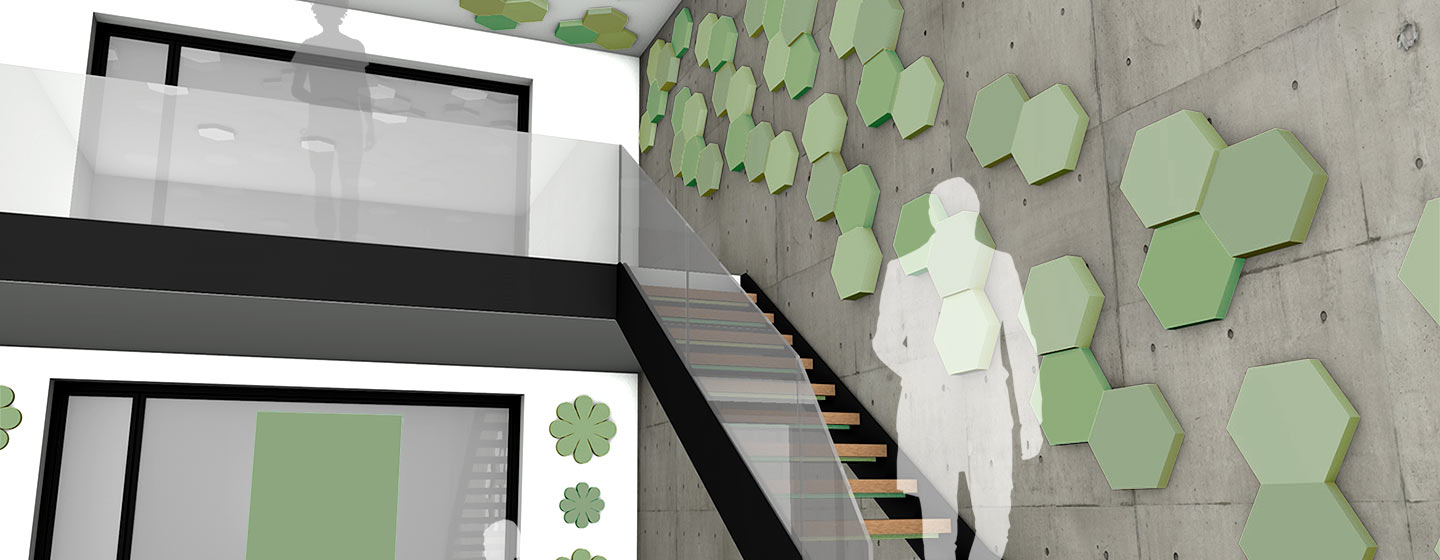
Treppenaufgang in einer Wohnung. An der Wand hängen Akustikelemente soni HEXAGON Room acoustics
  • Office | Callcenter
  • Hospitality facility | Lunchroom
  • Indoor swimming pool | Sports facility
  • Kindergarden | School
  • Waiting rooms | Doctor's office
  • Living space | Staircase
  • Clubhouse | Banquet hall
  • Sound studio | Rehearsal room
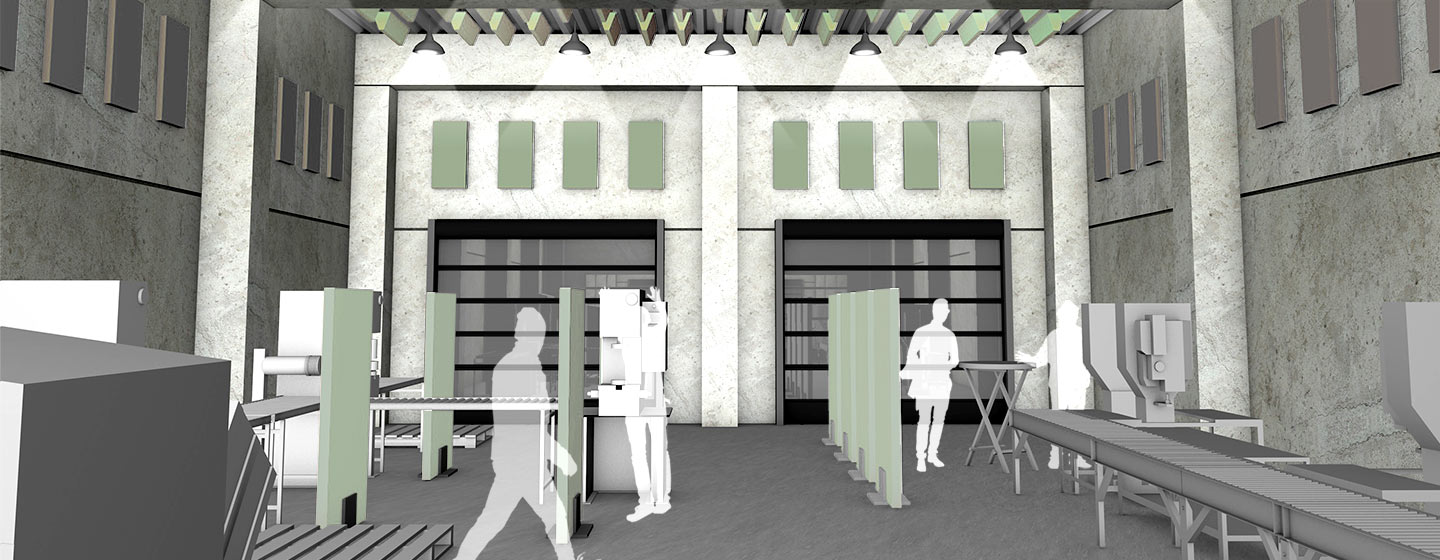
Produktionshallte mit Maschinen und einem Förderband. An der Wand hängen Akustikelemente soni COLOR. Technical noise control
  • Production hall | Workshop | Utility room
  • Machine | Compressor
  • Wall towards neighbors | Curtain wall
Einfamilienhaus mit Garten, Pool und Carport, im Carport steht ein Boot und ein Auto. Sound insulation in the outside area
  • Pool pump
  • Car | Motor | Boat
  • Heat pump | HVAC
  • Noise protection fence
Kindergarten, an der Wand hängen Akustikelemente in verschiedenen Tierformen. Sound absorption materials
  • Basotect | melamine foam
  • Polyester- / PES non-wovens
  • Polyurethane | PU foam
  • Egg crate foam / Pyramid foam
  • Colorful acoustic panels
  • Acoustic pictures
  • Tiles for grid ceilings
  • Flame retardant
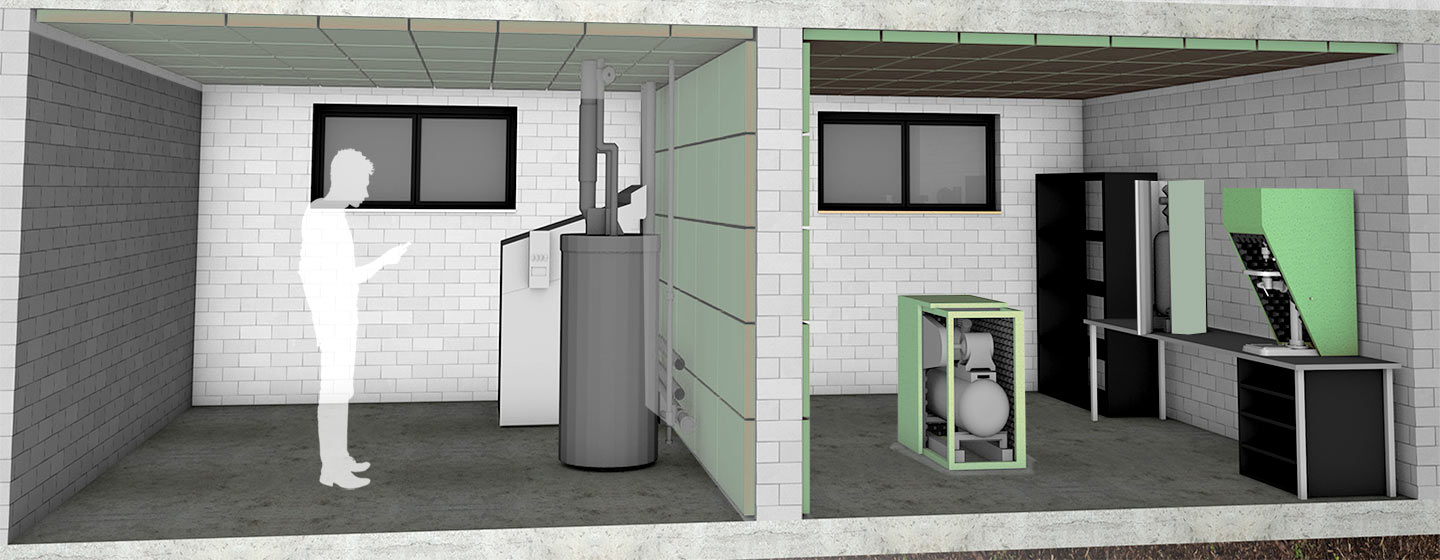
2 Kellerräume nebeneinander, die Wand dazwischen wurde mit Schalldämmmaterial von soniflex gedämmt. Sound insulation
  • Humid or wet conditions
  • For Outdoor area
  • Drywall construction | curtain wall
  • Sandwich panels
  • Compressor jacket
  • Door sound insulation
Produktionshallte mit Maschinen und einem Förderband. An der Wand hängen Akustikelemente soni COLOR. Heavy layers
  • Anti-drumming heavy layers
  • Bitumen heavy layer
  • Synthetic heavy layer
Information Service
  • FAQ | Questions & Answers
  • Videos
  • Glossary
  • Leaflets & brochures
  • Room Acoustics Measurement app
About us
  • Cellofoam & soniflex
  • Environment & Sustainability
  • Large projects
Übersicht verschiedener Schaumstoffplatten auf PU-Basis Order soundproofing mats
  • soniflex.de
  • soniflex.com.tr
  • soniflex.ch
  • soniflex.cz
  • soniflex.sk
Categories
  • Noise control products
  • Applications
  • Information Service
  1. Lexicon
  2. S
  3. Structure-borne sound
  • Noise control products
  • Applications
  • Information Service
Lexicon: S
Sonic speed
Sound
Sound absorption coefficient
Sound bridge
Sound conditioning of rooms/Reverberation/Sound absorber
Sound insulation
Sound power
Sound pressure
Sound pressure level
Sound reduction index R
Sound waves
Sound/acoustic spectrum
Structure-borne sound
A B C D F H I K M N O P R S T U W
Start Page | Table of Contents
Lexicon Navigation
A B C D F H I K M N O P R S T U W Start Page Table of Contents

Structure-borne sound

What is structure-borne sound?

Structure-borne sound refers to vibrations that propagate within solid materials such as concrete, timber, steel or masonry. When a vibration is generated – for example, by walking, a machine or an impact – it is transmitted into the structural element as a vibration and propagates through walls, ceilings or floors.

It is only when these vibrations are released back into the air elsewhere that audible noise is produced. This is why structure-borne noise is often only noticed after the fact, even though the actual source may be some distance away.


How does structure-borne noise arise?

Structure-borne noise always arises when a mechanical force acts on a solid body. Even small vibrations are sufficient for oscillations to propagate through the material.

Typical causes include:
• Footsteps on stairs or floors
• Washing machines and tumble dryers during the spin cycle
• Heat pumps and air conditioning systems
• Heating and water pipes
• Garage doors and roller shutters
• Fitness equipment
• Industrial machinery
• Lifts

The stiffer and harder a building material is, the better it can transmit vibrations.


How does structure-borne sound propagate?

Unlike airborne sound, structure-borne sound does not require a medium such as air. The vibrations travel directly through solid building components and can be transmitted across several rooms or even floors.

Transmission most commonly occurs via:
• Ceilings
• Walls
• Floor slabs
• Steel beams
• Pipes
• Timber and metal structures

As a result, it is often difficult to pinpoint the actual source of the noise.


Difference between structure-borne sound and airborne sound

Although both types of sound often occur together, they differ significantly.

  Structure-borne sound
• propagates through solid materials
• is caused by vibrations
• is transmitted via building components
• may become audible again elsewhere as airborne sound

  Airborne sound
• propagates through the air
• is caused by sound waves in the air
• is transmitted directly through the air
• is perceived immediately

In many buildings, structure-borne sound eventually turns into airborne sound. This is why noises often seem louder or appear to come from a different direction.


Is impact sound the same as structure-borne sound?

No. Impact sound is a specific type of structure-borne sound. It is caused by walking on floors or stairs and is transmitted through the building structure. All impact sound is therefore structure-borne sound – but not all structure-borne sound is caused by footsteps.


Why is structure-borne sound often particularly disruptive?

As vibrations can travel over long distances, noise often occurs in places quite different from the actual source.

Typical examples:
• The washing machine in the basement can be heard in the bedroom
• A heat pump causes vibrations in the living room
• Pipes transmit the sound of flowing water to adjoining rooms
• Fitness equipment causes vibrations in the flats below

Structure-borne sound insulation therefore plays a particularly important role in blocks of flats or buildings with technical installations.


How can structure-borne noise be reduced?

Effective structure-borne noise insulation prevents vibrations from entering the building structure in the first place. To achieve this, vibration-decoupling materials are used which absorb vibrations and significantly reduce their transmission. The earlier the sound transmission is interrupted, the greater the effect.

Proven measures include:
• Elastically decoupling machinery and appliances
• Using anti-vibration mats under washing machines or heat pumps
• Decoupling pipework with suitable mountings
• Using floating screeds
• Using elastic interlayers between building components
• Avoiding direct contact between materials

The choice of the appropriate solution always depends on weight, vibration frequency and the installation situation.


Which materials help to reduce structure-borne noise?

Materials that absorb or decouple vibrations are used for structure-borne noise insulation.

These include, amongst others:
• A composite product made from heavy foil and acoustic foam (soni COMPOSITE)
• Heavy foils (soni HEAVY)
• PE foam (soni RESIST)

The most suitable material depends on the specific application and the load.


Where does structure-borne noise occur in everyday life?

We encounter structure-borne noise more often than many people realise.

Typical examples include:
• Washing machines
• Heat pumps
• Air conditioning units
• Ventilation systems
• Fitness equipment
• DIY tools
• Speakers with powerful bass
• Garage door openers
• Stairwells
• Lifts

Even small decoupling measures can significantly reduce sound transmission.


Conclusion

Structure-borne noise is caused by vibrations in solid materials and can travel long distances within a building. As a result, noise is often heard far away from its actual source.

Targeted structure-borne sound decoupling can reduce vibrations right at their source. This improves living comfort, protects buildings from unwanted vibrations and ensures a significantly lower noise level.
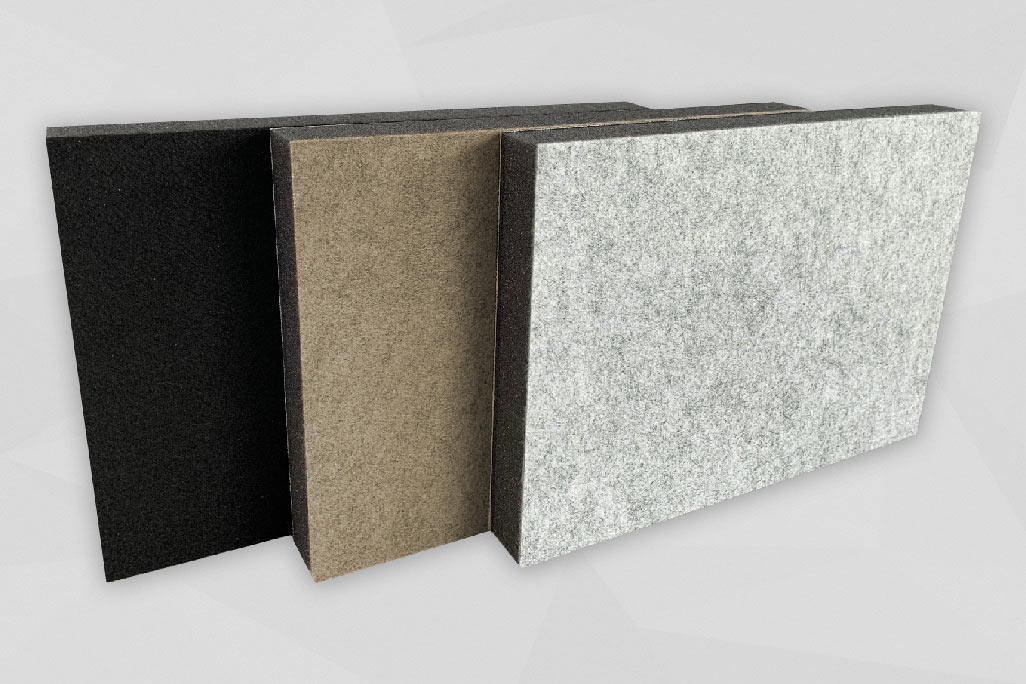

3 sound insulation panels in size A4 in different colors 3 sound insulation panels in size A4 in different colors
soni COMPOSITE
soni COMPOSITE sound insulation mat – effective sound insulation and sound absorption in one product The soni COMPOSITE sound insulation mat from soniflex is a highly effective combination of sound insulation and sound absorption. This acoustic product consists of a heavy plastic film (soni EVA) and high-quality acoustic foam with a decorative felt surface. This intelligent combination of materials reduces both airborne and structure-borne noise, resulting in a noticeable reduction in noise levels – ideal for use in living spaces, offices, workshops or technical facilities. Double effect – sound absorption & sound insulation While the soni EVA heavy-duty film reliably reduces sound penetration, the open-pored acoustic foam layer absorbs the sound within the room. This dampens the noise at its source and prevents it from spreading – a real advantage over single-layer materials. Typical areas of application: ✔ Partition walls & neighbouring walls in flats and offices ✔ Machine cladding & engine rooms ✔ Workshops & technical rooms ✔ Suspended ceilings & drywall constructions ✔ Music rooms & recording studios Use of soni COMPOSITE – versatile & effective The soni COMPOSITE sound insulation mat is particularly suitable for soundproofing walls and ceilings. Installed, for example, on the wall separating you from your neighbours or behind a facing shell, the material significantly reduces disturbing noises and ensures pleasant room acoustics. Thanks to its decorative felt surface, soni COMPOSITE is available in a range of colours – ideal when function and design are equally important. Easy processing & secure installation Processing soni COMPOSITE is straightforward and does not require any special tools: ✔ The mat can be cut to size precisely using a craft knife or scissors. ✔ The self-adhesive backing serves as an installation aid – however, mechanical fastening (e.g. screws, press studs or strips) is recommended for permanent attachment,     especially on vertical surfaces or for ceiling installation. ✔ Ensure that the substrate is dry, dust-free and smooth to ensure optimum adhesion. If necessary, you can cut soni COMPOSITE to the desired size with a craft knife. The self-adhesive backing serves as an installation aid. Tip: To create a clean finish at the joints, you can cover them with a wooden strip (8–10 cm wide) – this ensures a neat appearance and provides additional support. Safety & quality – tested for professional use soni COMPOSITE materials are age-resistant, moisture-resistant and free of fibres that are harmful to health. This makes this sound insulation mat a durable and safe solution for effective noise protection in both private and commercial areas.

Content: 0.5 m² (€59.80* / 1 m²)

Variants from €34.20*
€29.90*
Details
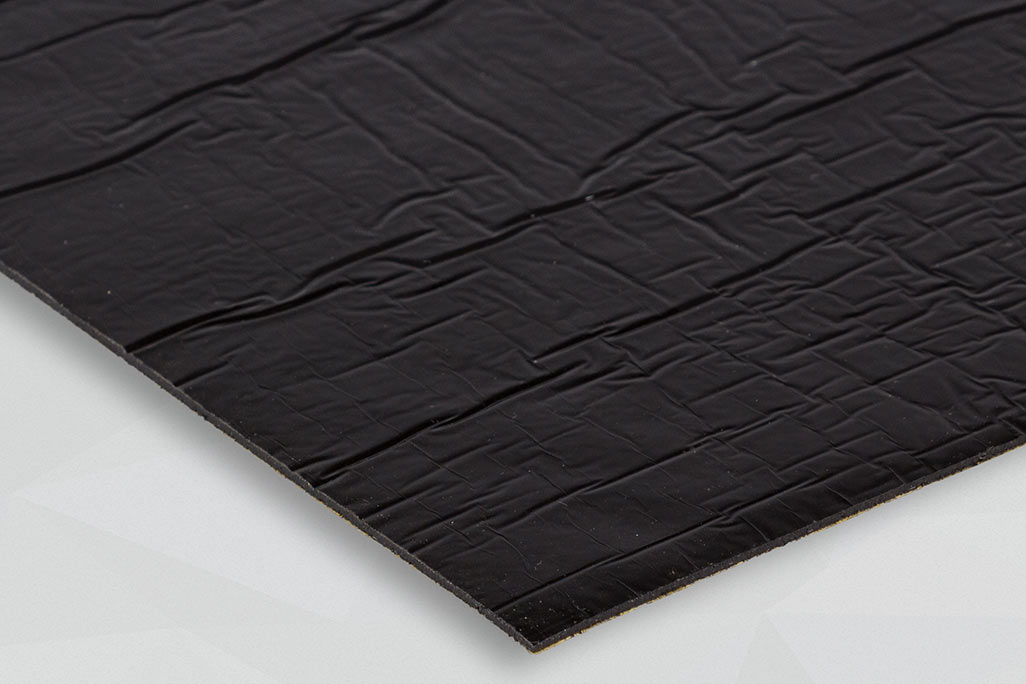
Section of a black bitumen heavy foil soni HEAVY Section of a black bitumen heavy foil soni HEAVY
soni HEAVY
soni HEAVY – Highly effective heavy bitumen layer for sound and vibration insulation soni HEAVY is an elastomer-modified heavy bitumen layer laminated with a transparent polyester film. This combination ensures a particularly robust, durable and sound-insulating surface – ideal for applications in vehicle construction, mechanical engineering and technical insulation. Thanks to its high density and material flexibility, soni HEAVY offers excellent sound insulation and effective vibration damping. It prevents metal surfaces from vibrating, booming and rattling, thereby specifically reducing sources of noise. Advantages of soni HEAVY at a glance ✔ Effective sound insulation & vibration damping → reduces both structure-borne and airborne noise ✔ High material density for maximum sound reduction ✔ Self-adhesive backing for easy installation ✔ Mechanically resilient & durable ✔ Can be combined with acoustic materials such as soni COMPOSITE or soni 491 STL ✔ Suitable for technical applications, vehicles and machinery Typical areas of application for soni HEAVY ✔ Vehicle construction: engine compartment insulation, door panels, floor panels ✔ Mechanical engineering: sound insulation for housings, bonnets, covers ✔ Enclosures & panelling: soundproofing of sheet metal and partition walls ✔ Building services engineering: insulation of heating systems, roller shutter boxes, ventilation ducts ✔ Combination with acoustic absorbers: for optimised sound insulation solutions Installation instructions for soni HEAVY The self-adhesive backing makes it easy to apply to smooth, clean and grease-free surfaces. However, for vertical or overhead installation, additional mechanical fastening (e.g. with pressure strips or screws) is required to ensure permanent secure adhesion.

Content: 0.5 m² (€31.00* / 1 m²)

€15.50*
Details
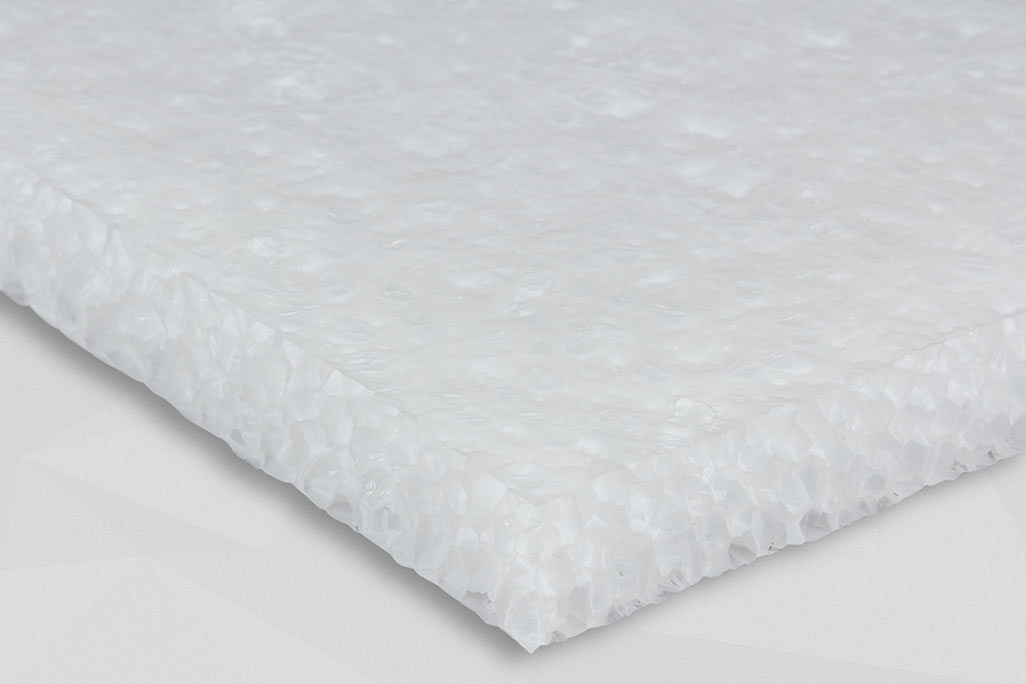
Section of a soni RESIST PE foam panel for sound insulation and damping Section of a soni RESIST PE foam panel for sound insulation and damping
soni RESIST
Ordering acoustic panels from soniflex Our soni RESIST noise protection panel consists of closed-cell polyethylene foam with both sound-insulating and sound-absorbing properties. Its closed-cell structure makes soni RESIST especially suitable for applications where it may come into contact with moisture or humidity. The extremely robust and impact-resistant sound-insulation material does not constitute a medium for microorganism growth and can be wet-cleaned if necessary. soni RESIST is flame-retardant according to DIN 4102, as proven under B1 test conditions. Therefore the product is an excellent noise-control solution wherever you need to reduce the sound level with materials that meet strict fire safety regulations. Furthermore, soni RESIST ceiling and wall elements meet the ball impact resistance requirements of DIN 18032-3, making them ideal for noise reduction in sports halls and sports halls. The use of soni RESIST The optional self-adhesive rear face facilitates the installation of the panels. When mounted overhead or on uneven surfaces, (additional) mechanical fixation is required.

Content: 0.5 m² (€27.80* / 1 m²)

From €17.90*
Details

Contact us

+49 7351 - 34 02 861

Mo - Fr.  09:00 - 12:00 a.m.

sales@soniflex.de

Information

  • About us
  • Environment & Sustainability
  • Compliance
  • Terms and Conditions
  • Right of Cancellation
  • Privacy Policy
  • Legal Information
  • Accessibility statement

Service

  • Payment and Dispatch
  • Shipping Costs and Minimum Order Value
  • For Industrial Customers with serial Demand
  • Cookie Settings

Contact

This site is protected by reCAPTCHA and the Google Privacy Policy and Terms of Service apply.

* All prices incl. VAT plus shipping costs and possible delivery charges, if not stated otherwise.
** Subject to prior sale. The delivery time stated is subject to stock availability.

Revoce a contract
Payment Methods
Icons der Zahlungsmöglichkeiten per PayPal, Visa, Mastercard, SEPA