



Closed-cell
Closed-cell – what does this mean in terms of sound insulation?
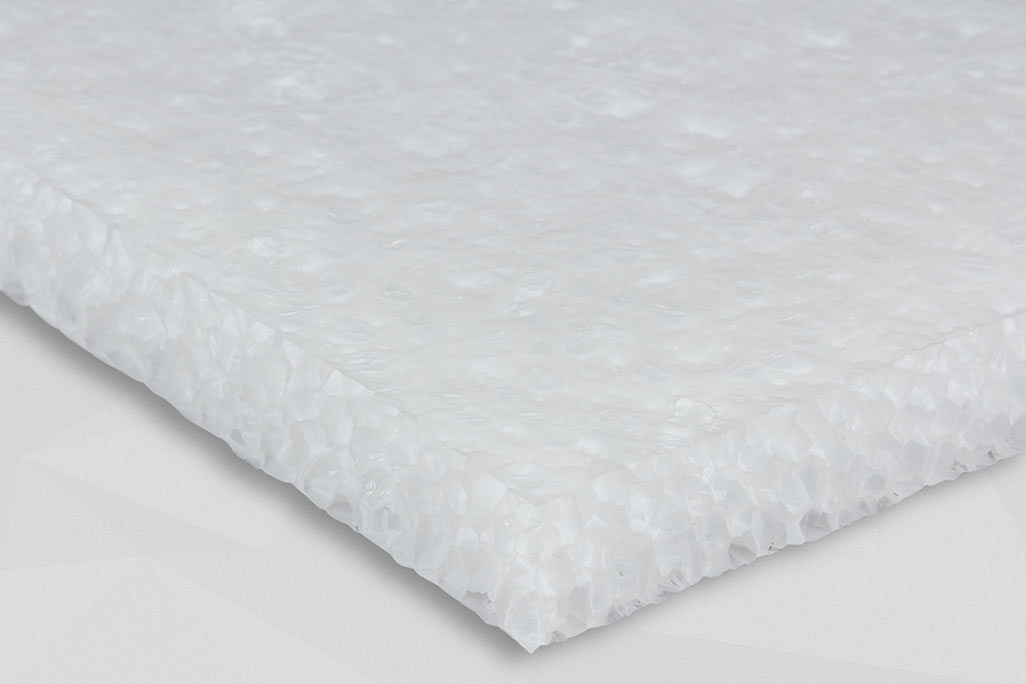
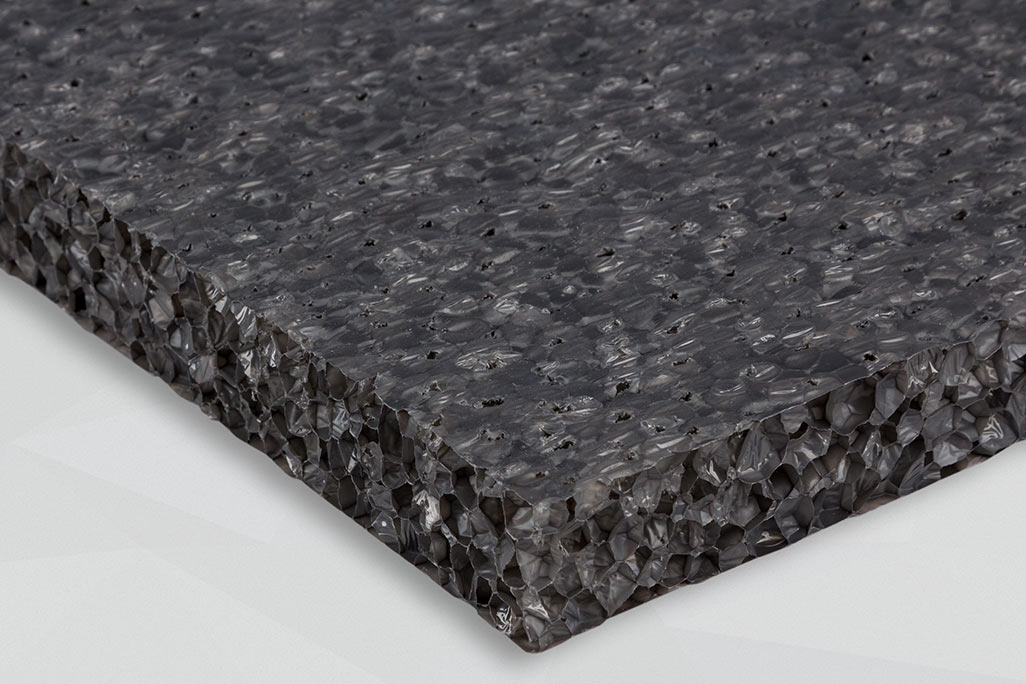
Closed-cell bdescribes the structure of a foam in which the individual cells are completely separated from one another. Unlike open-cell materials, neither air nor moisture can penetrate the material. This opens up a whole range of unique applications in the fields of sound insulation, thermal insulation and decoupling.
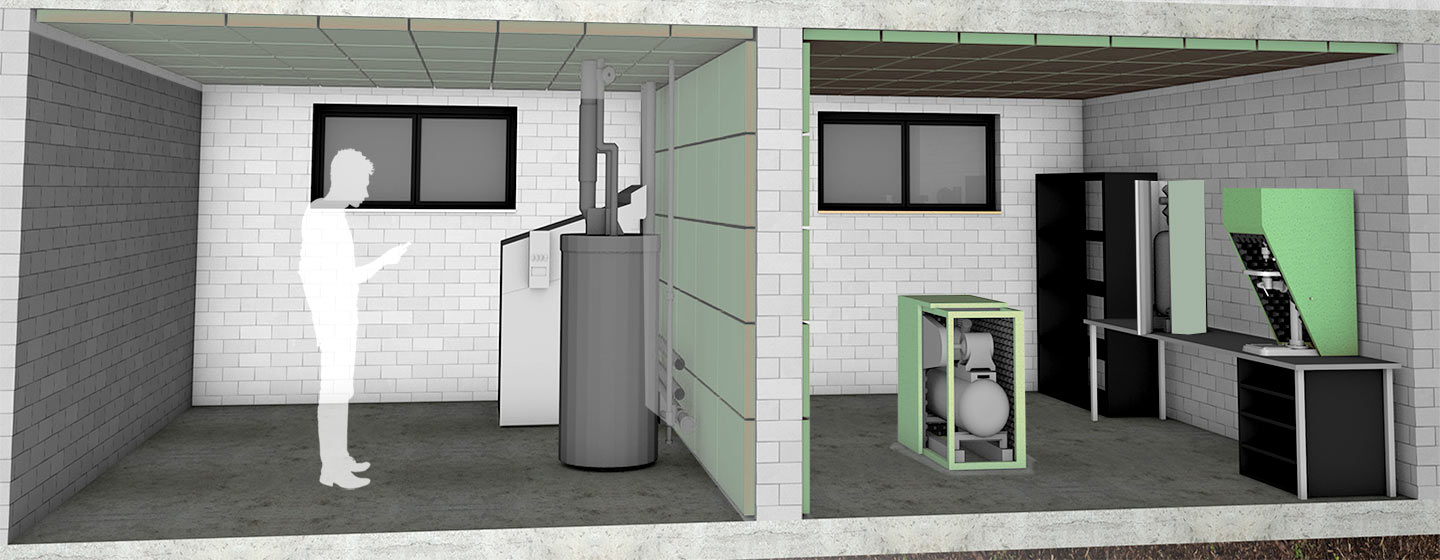
Closed-cell foams are frequently used where vibrations, structure-borne noise or moisture are a factor – for example, in basements, garages, workshops or technical applications in the domestic sector.
What are the properties of closed-cell foams?
Closed-cell materials are particularly impressive due to their robust and durable structure:
• Airtight and waterproof
Ideal for damp environments such as basements, utility rooms or garages.
• xcellent vibration and impact sound insulation
Vibrations are effectively reduced before they are transmitted to structural components
• Dimensionally stable & durable
The material remains stable even under pressure or temperature fluctuations.
• Resistant to dirt & many chemicals
Practical for workshops, hobby rooms or technical areas.
Important: Closed-cell foams absorb airborne sound only to a limited extent, sbut are excellent for minimising rumbling, vibrations and structure-borne noise.
Where are closed-cell foams used?
There are also many useful applications in the home:
• Under washing machines or tumble dryers (to absorb vibrations)
• To decouple loudspeakers or appliances
• In DIY projects for insulating enclosures or panelling
• In workshops, garages or hobby rooms
In a professional setting, they are also used in mechanical engineering, automotive engineering and technical installations.
Difference from open-cell foam
A common misconception: not all foam works in the same way.
• Closed-cell blocks vibrations and provides insulation
• Open-cell: absorbs sound (e.g. for room acoustics)
Both materials therefore fulfil different roles in noise protection.
Conclusion
Closed-cell foams are the right choice when it comes to reducing vibrations, decoupling components and preventing noise from being transmitted in the first place. For improved room acoustics, they are usually combined with other materials.
FAQ – Frequently asked questions about closed-cell foam
What does ‘closed-cell’ mean, in simple terms?
DThe material consists of many small, completely sealed cells. This means that neither air nor water can penetrate it.
Are closed-cell foams suitable for damp rooms?
Yes. Thanks to their closed-cell structure, they do not absorb moisture and are therefore ideal for basements, garages or utility rooms.
Can I cut closed-cell foam to size myself?
Yes, many products can be easily cut to size with a craft knife or knife, making them ideal for DIY enthusiasts and DIY projects.
Where should I avoid using closed-cell foam?
They are not ideal for:
• Room acoustics alone
• Echo reduction
• Improving speech intelligibility
In these cases, open-cell acoustic solutions are the better choice.
Can I combine closed-cell and open-cell foams?
Absolutely. This combination often yields the best results, as it specifically reduces both vibrations and airborne sound.
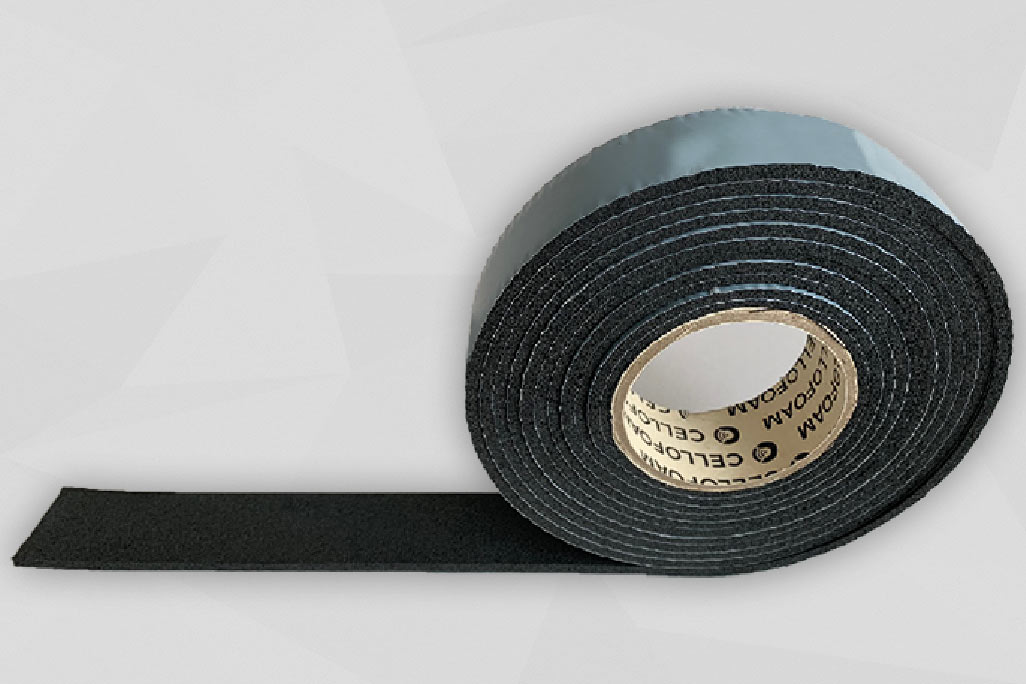
Content: 5 m (€1.58* / 1 m)
Content: 0.5 m² (€27.80* / 1 m²)
Content: 0.4 m² (€24.75* / 1 m²)
Content: 0.35 m² (€0.00* / 1 m²)

Content: 0.5 m² (€67.80* / 1 m²)