




Acoustics
Acoustics – the basics explained simply
The term acoustics describes everything to do with sound and its behaviour: how it is created, how it spreads and how we perceive it. Especially in indoor spaces, acoustics determine whether we feel comfortable, whether speech is clearly understandable and whether a room is perceived as pleasant or disturbing.
Why acoustics are so important in everyday life?
Many people are familiar with this: a room echoes, conversations overlap or it is constantly noisy. Such effects are caused by unfavourable sound reflections – i.e. sound that is reflected back from walls, ceilings or furniture.
These problems can be quickly and effectively improved with targeted acoustic measures.
The three important areas of acoustics
1. Room acoustics – for pleasant living and working spacesThis is about how sound resonates in rooms.
Acoustic elements such as wall or ceiling absorbers can be used to:
• reduce reverberation
• improve speech intelligibility verbessern
• significantly harmonise the overall sound
2. Building acoustics – protection from external noise
The aim is to prevent noise from penetrating walls, ceilings or doors.
This is particularly important in flats or apartment buildings.
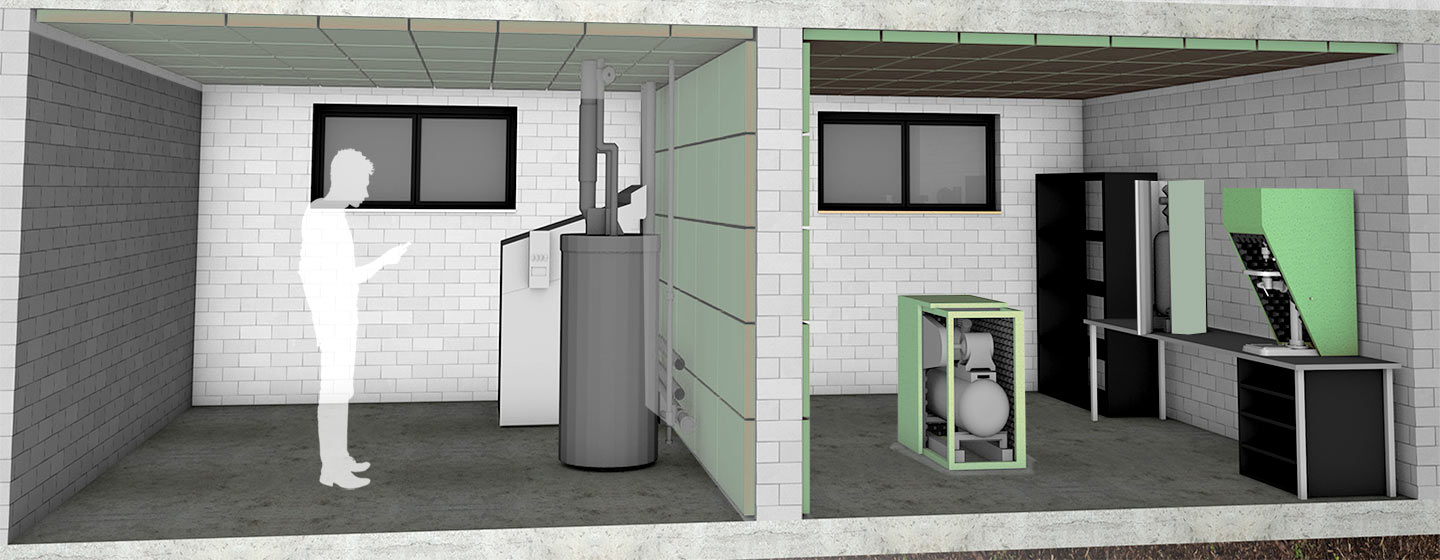
3. Technical acoustics – reducing noise from machines and equipment
In this area, the aim is to minimise noise sources directly at the machine or system. This is particularly important in workshops or with engines.
Typical acoustic solutions – explained in simple terms for your home
Wall absorbers
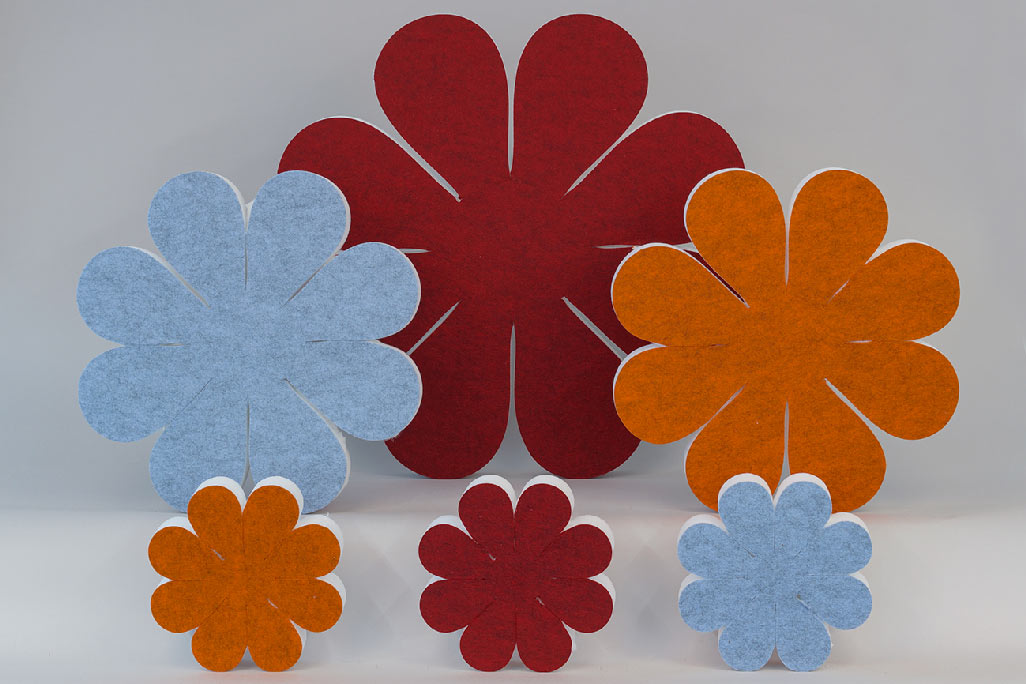
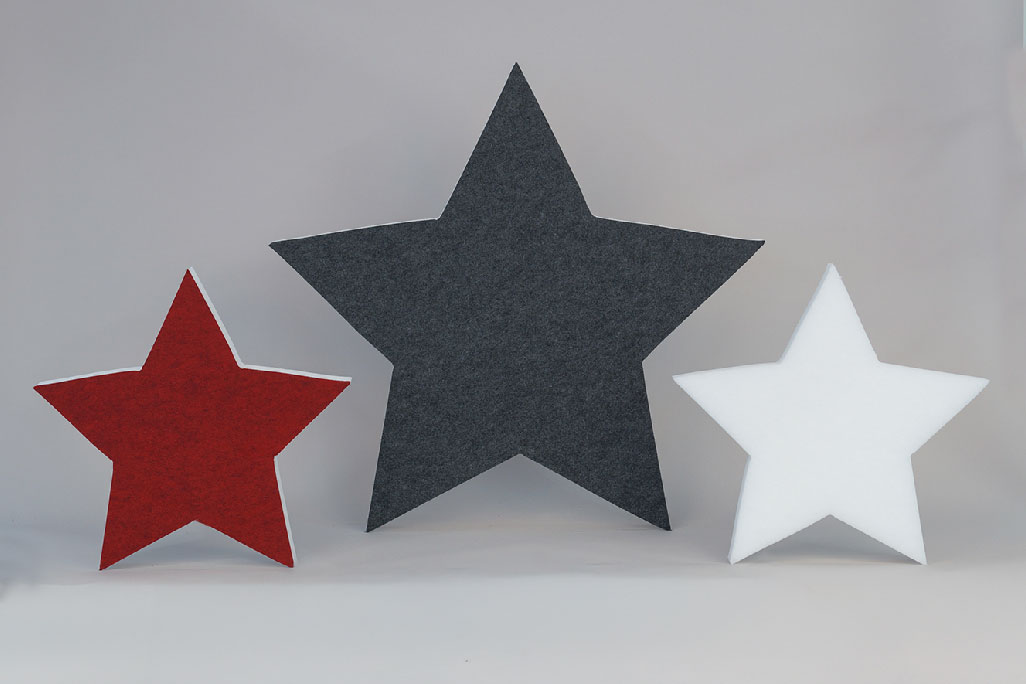
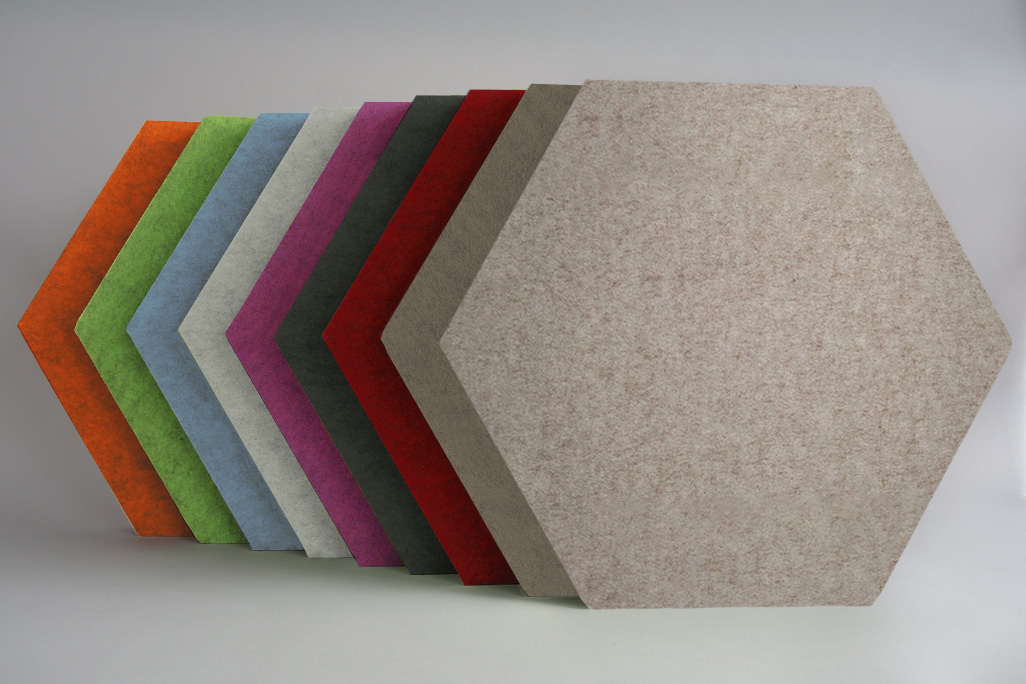
Decorative acoustic panels that absorb sound waves and make the room seem quieter – ideal for living rooms, home offices or children's rooms.
Ceiling absorbersr
Practical in rooms where there is a lot of reverberation. Particularly effective in rooms with high ceilings or large windows.
Mobile acoustic elements
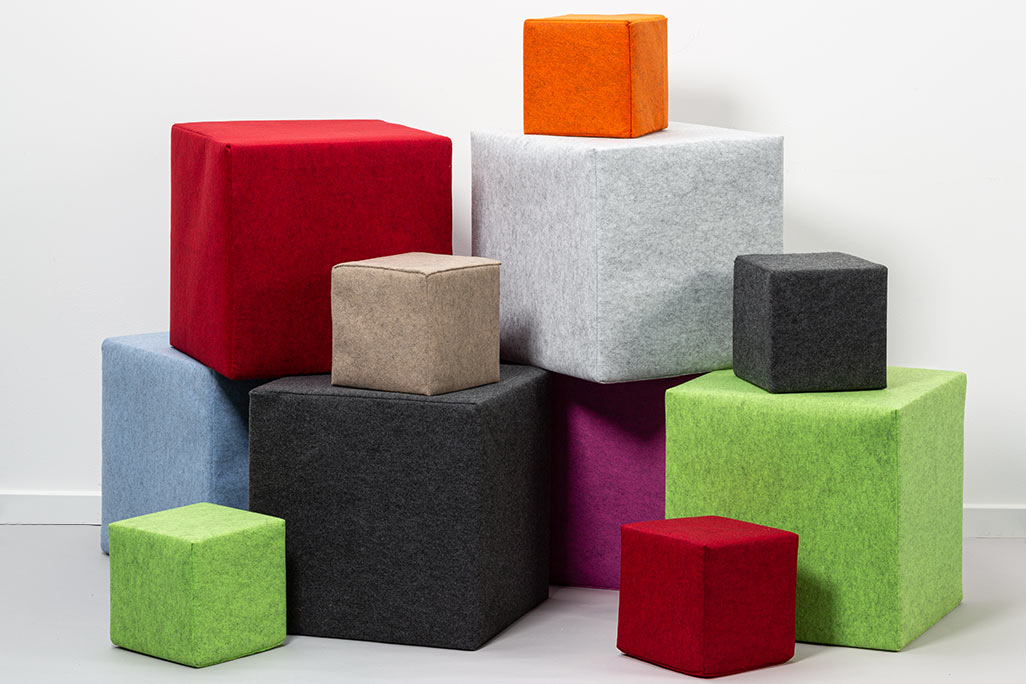
Whether acoustic seating cubes, table partitions or mobile screens – flexible to use, without drilling or DIY work.
Door insulation
A simple method of reducing noise between rooms – adhesive, removable without leaving residue and quick to install.
How do acoustic elements improve sound?
Sound hits an acoustic element and is not completely reflected back, but partially absorbed and dampened in the material. This reduces disturbing reflections and makes the room sound clearer, more natural and less tiring..
Who are acoustic measures suitable for?
• Private households (living rooms, kitchens, children's rooms, home offices)
• Amateur musicians & gamers
• Offices & home office workplaces
• Seminar rooms & practices
• Workshop areas
In short: for all rooms where you want to feel more comfortable.
Conclusion
Good acoustics ensure greater peace and quiet, better intelligibility and more living comfort. Easy-to-install acoustic elements can quickly and noticeably improve the quality of a room – without the need for costly renovations.
FAQ – Frequently asked questions about acoustics
Can I also reduce external noise with acoustic products?
Acoustic products improve the sound conditions in a room, but they do not always replace effective sound insulation against external noise (e.g. through windows, doors or structural measures). Structural systems are necessary for genuine sound insulation against external noise.
Do acoustic elements also help to reduce noise from neighbours?
Room acoustic materials mainly reduce reverberation and improve the acoustics in the room. Additional structural measures are necessary to reduce sound transmitted directly between flats.
Can I reduce external noise with absorbers?
Absorbers mainly improve indoor acoustics. Special sound insulation/building acoustics are required for external noise or sound transmission between rooms. In this case, we recommend installing a facing shell.
Where are acoustic solutions particularly worthwhile?
In rooms with hard floors, many smooth surfaces or open floor plans – for example, living rooms, home offices, music rooms or hobby rooms – acoustic solutions often bring immediately noticeable improvements.
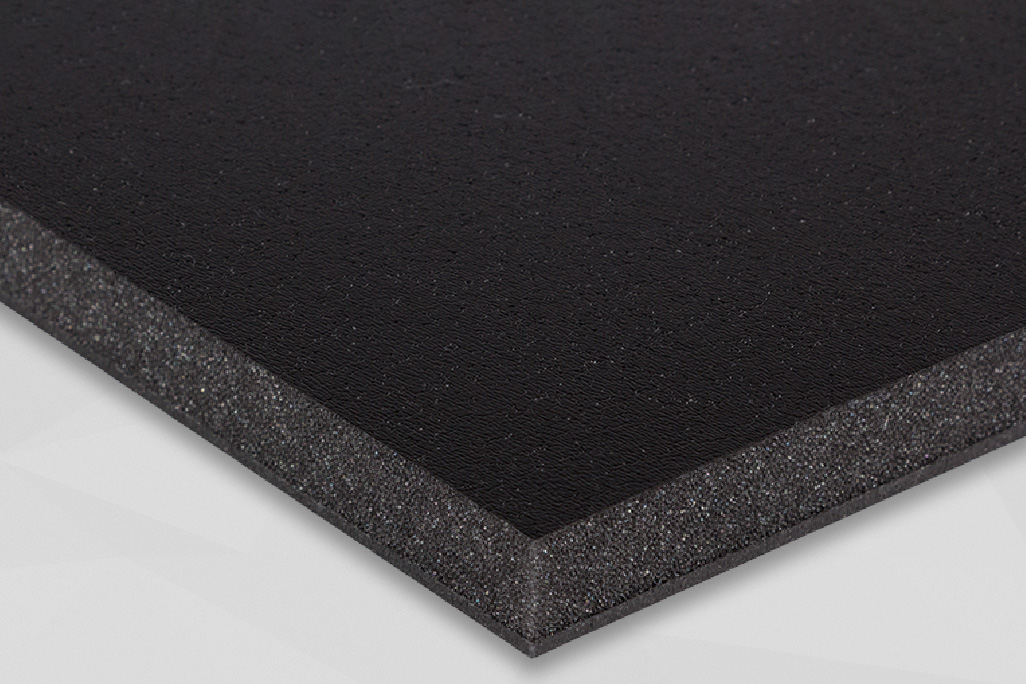
Content: 0.5 m² (€41.80* / 1 m²)
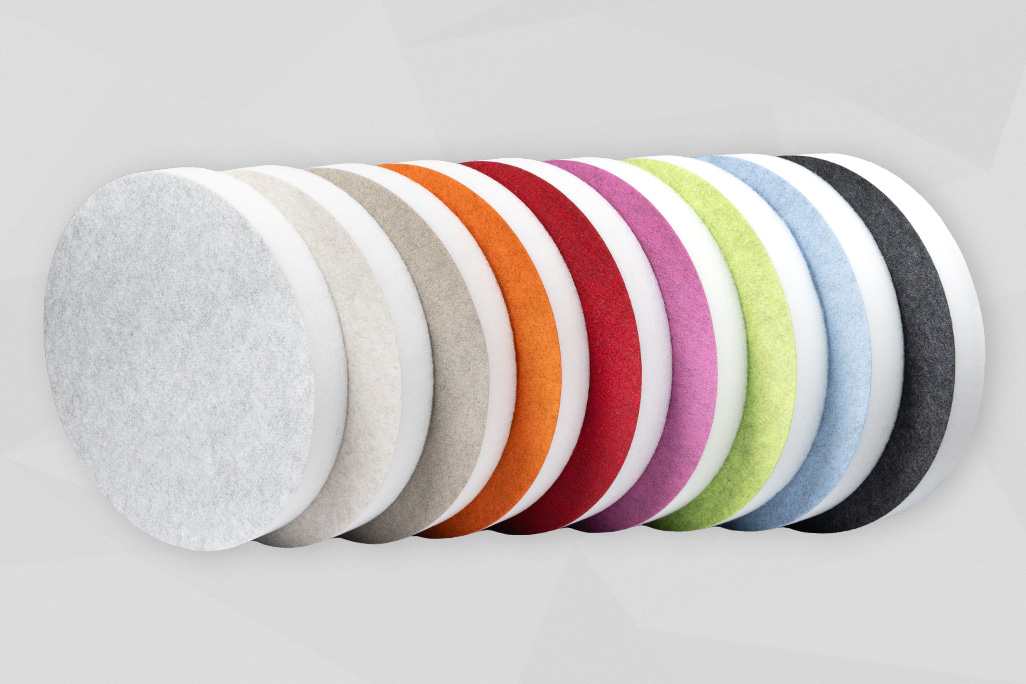
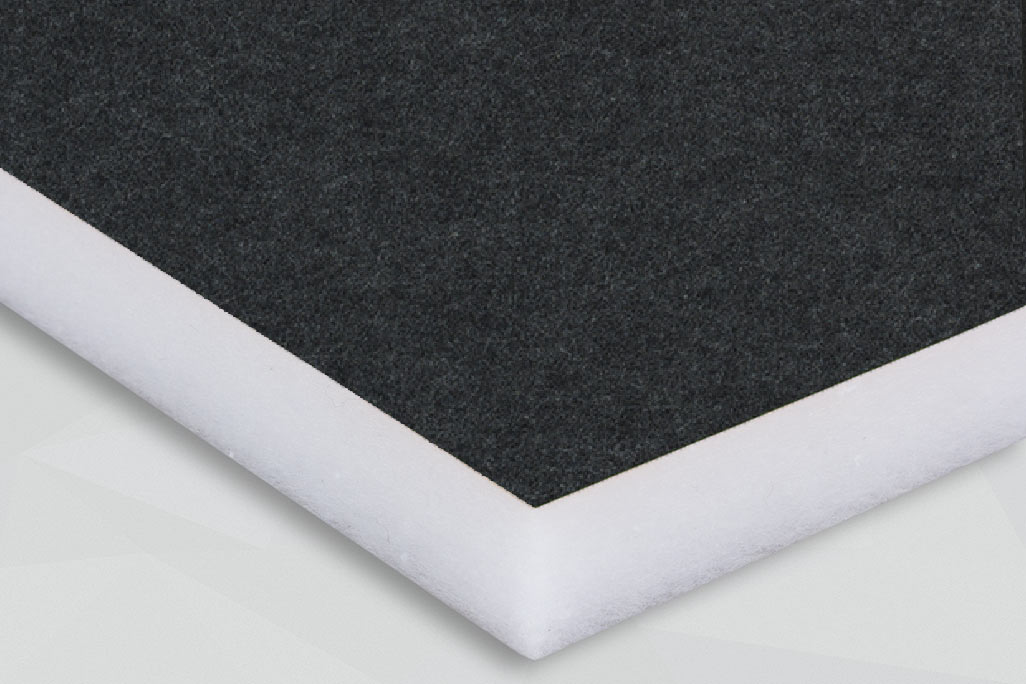
Content: 0.5 m² (€71.80* / 1 m²)
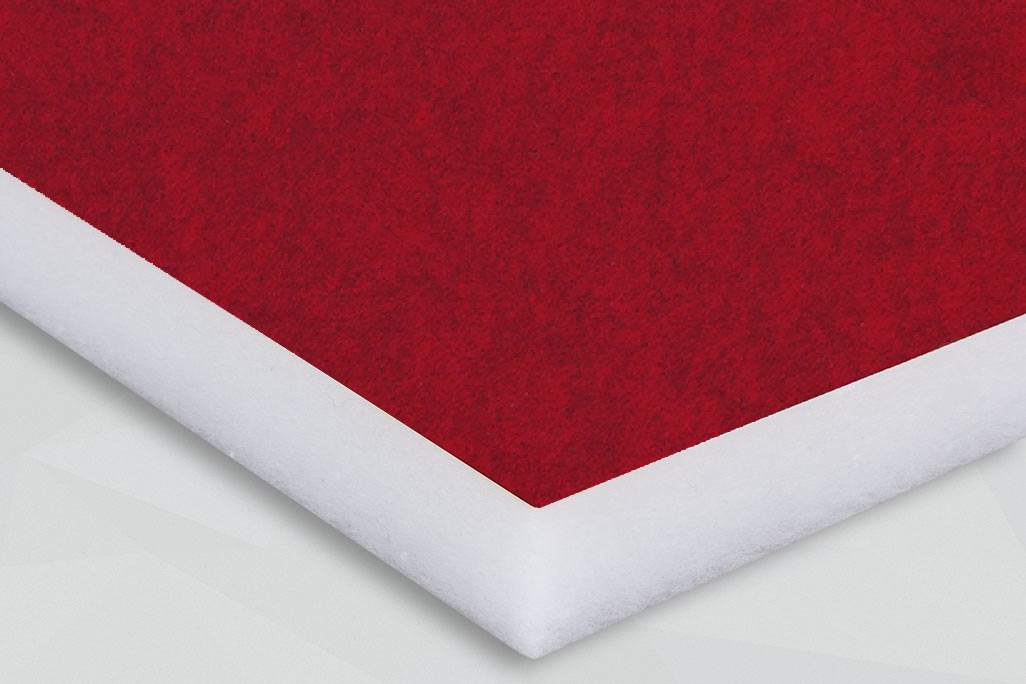
Content: 0.384 m² (€67.19* / 1 m²)
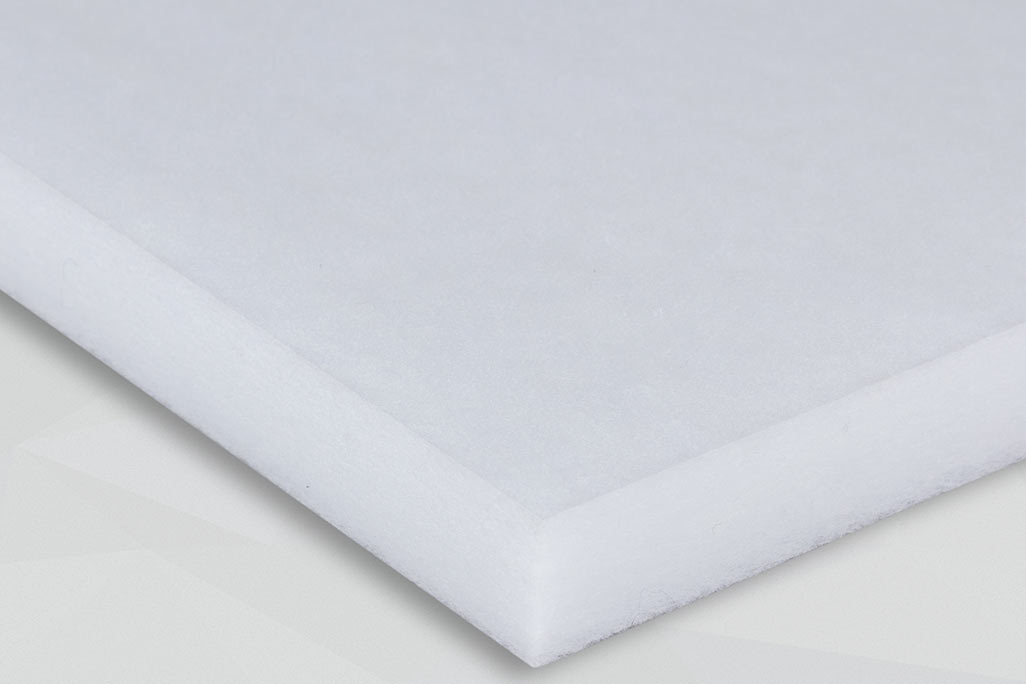
Content: 0.5 m² (€35.80* / 1 m²)
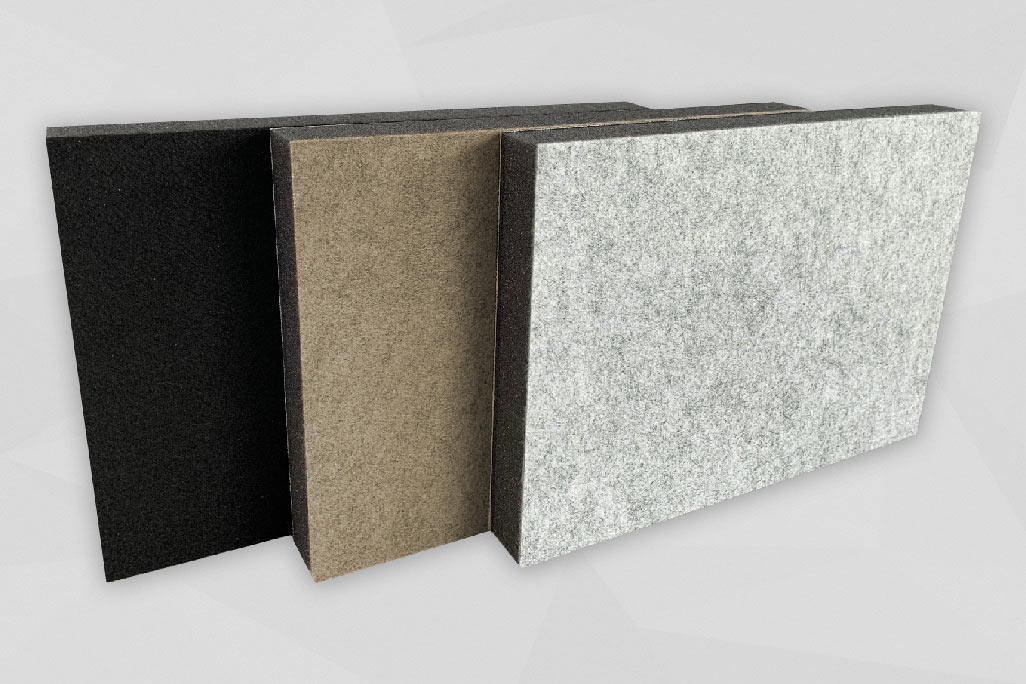
Content: 0.5 m² (€59.80* / 1 m²)