


Decibel
Decibels (dB) – Volume Explained Simply
Decibels (dB) are the units we use to measure how loud a sound is. Whether it’s a quiet whisper, music or street noise – the decibel value indicates how intensely sound is perceived and how distressing it can be for us.
This plays a particularly important role in everyday life: too much noise can cause stress, disrupt concentration and, in the long term, even affect our health. That is why it makes sense to reduce noise levels in a targeted manner – for example, with suitable soundproofing solutions.
How does the decibel scale work?
The key feature: the decibel scale is logarithmic. This means:
• Small differences in numbers have a significant effect
• An increase of +10 dB is perceived as roughly twice as loud
Typical examples from everyday life:
• 10 dB → barely audible (e.g. a soft rustling sound)
• 40 dB → quiet living room
• 60 dB → normal conversation
• 80 dB → road traffic (annoying over time)
• 100 dB → very loud (e.g. machine noise)
• 120 dB → pain threshold
Important: Even small differences determine whether a room feels pleasantly quiet or annoyingly loud.
Why are decibels important in everyday life?
Many people underestimate how much noise affects their well-being. The following applies:
• Continuous noise levels of around 80 dB or higher can be stressful
• High noise levels over a prolonged period can damage your hearing
• Even ‘moderate’ noise levels can cause stress when exposed to them continuously
That is why it is worth taking action early on – particularly in homes, offices/home offices, hobby rooms or where loud equipment is used.
How can you reduce noise levels?
There are various ways to effectively reduce noise:
1. Sound insulation
Reduces the transmission of noise between rooms or from outside to inside.
→ Ideal for noisy neighbours, road noise or thin walls.
2. Sound absorption
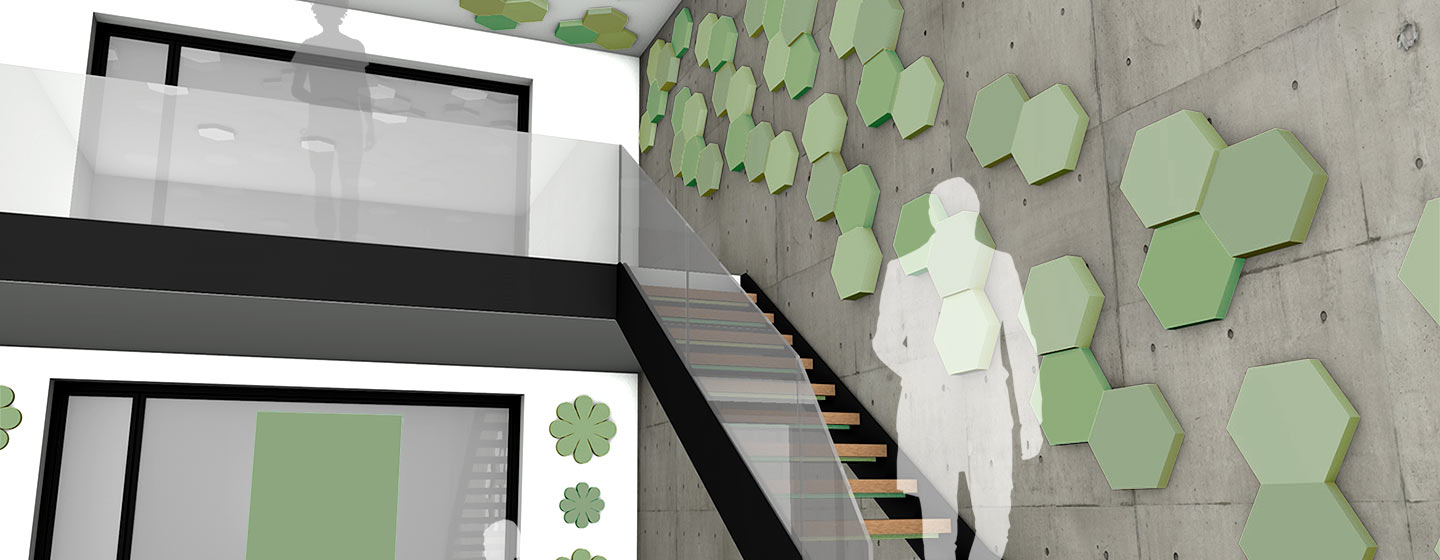
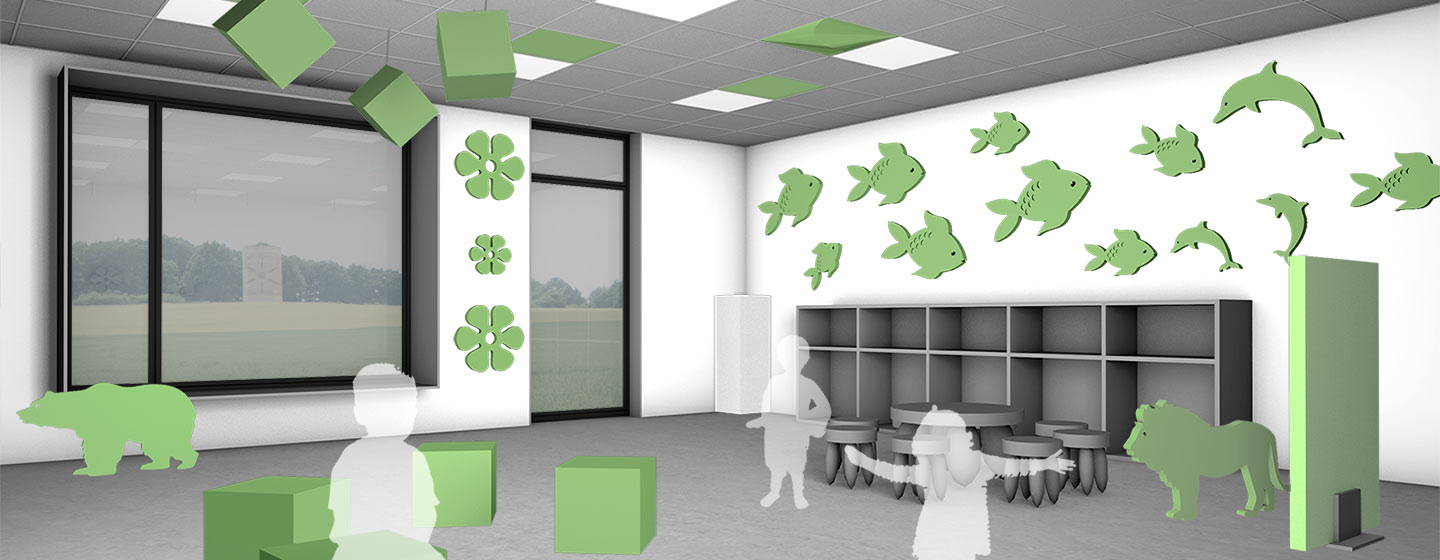
Prevents annoying reverberation and ensures pleasant room acoustics.
→ Perfect for living rooms, studios, offices and home cinemas.
3. Impact sound insulation
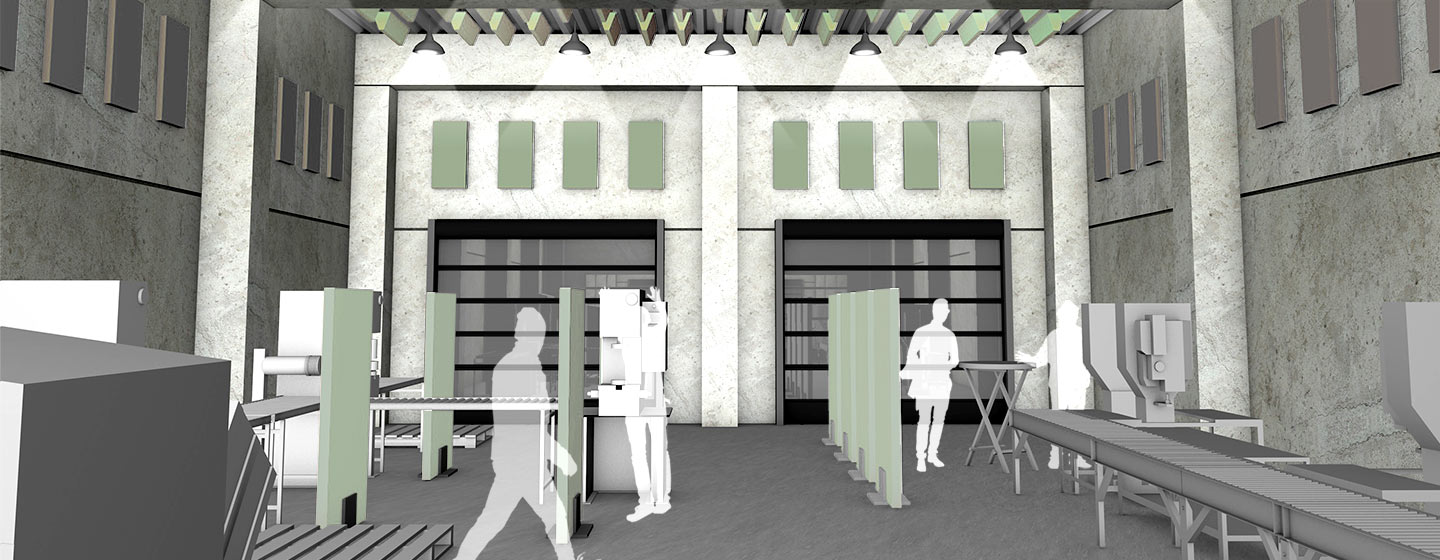
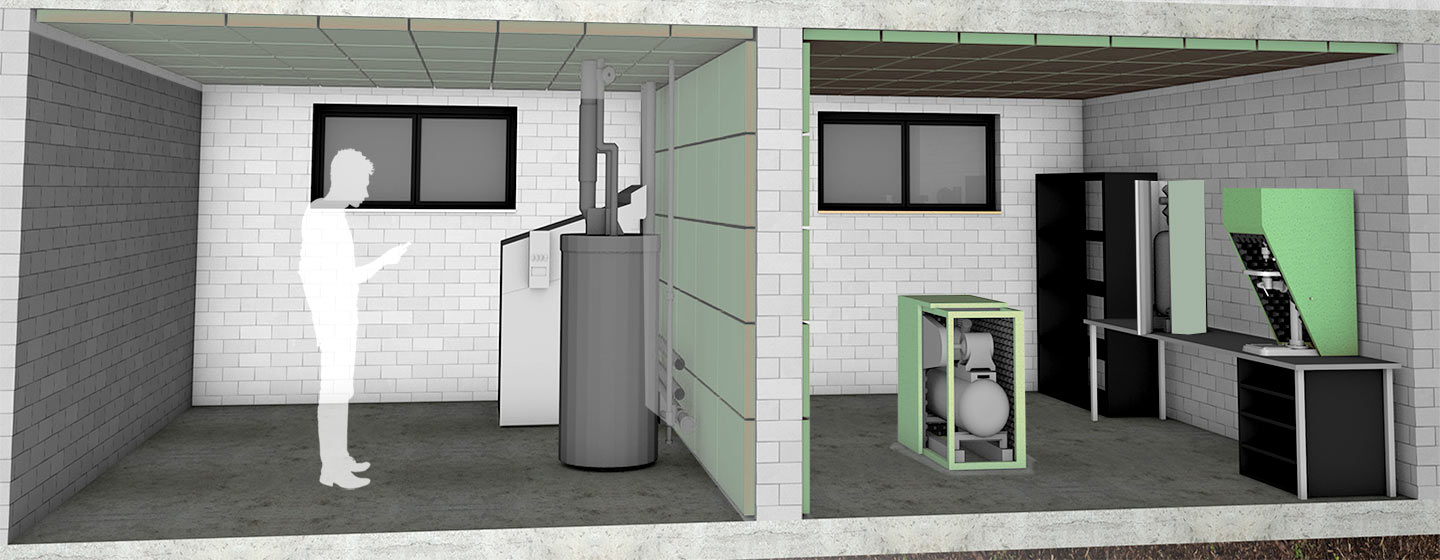
Reduces vibrations from machinery, appliances or bass frequencies.
→ Useful for washing machines, tools or music rooms.
How effective is soundproofing really?
• A reduction of just 3 dB is perceived as a significant improvement
• A reduction of around 10 dB feels to us like the volume has been halved
This shows: that even small improvements can make a big difference.
Conclusion
A decibel is more than just a number – it determines how comfortable we feel within our own four walls. With the right soundproofing, noise levels can be specifically reduced and quality of life significantly improved.
FAQ – Frequently asked questions about decibels
What exactly does dB mean?
dB (decibel) is a unit of measurement for sound volume. It indicates how loud a sound is in comparison to the human hearing threshold.
Why isn’t the decibel scale linear?
Because our hearing does not work linearly. That is why a logarithmic scale is used, in which small differences in numbers represent large differences in volume.
At what point does noise become harmful to health?
Prolonged exposure to levels of around 80 dB or higher can be critical. Very high levels (over 100 dB) can damage hearing even after a short period of time.
What dB levels are comfortable in the home?
• Bedroom: approx. 30 dB
• Living areas: 30–50 dB
Over time, all of this is often found to be a nuisance.
How can I reduce noise at home?
•use acoustic foam or fleece
• Use furniture and textiles (carpets, curtains)
• Decouple machinery
• Insulate walls or ceilings
What difference does a 10 dB reduction make?
A 10 dB reduction is perceived as roughly half as loud a significant difference in everyday life.