
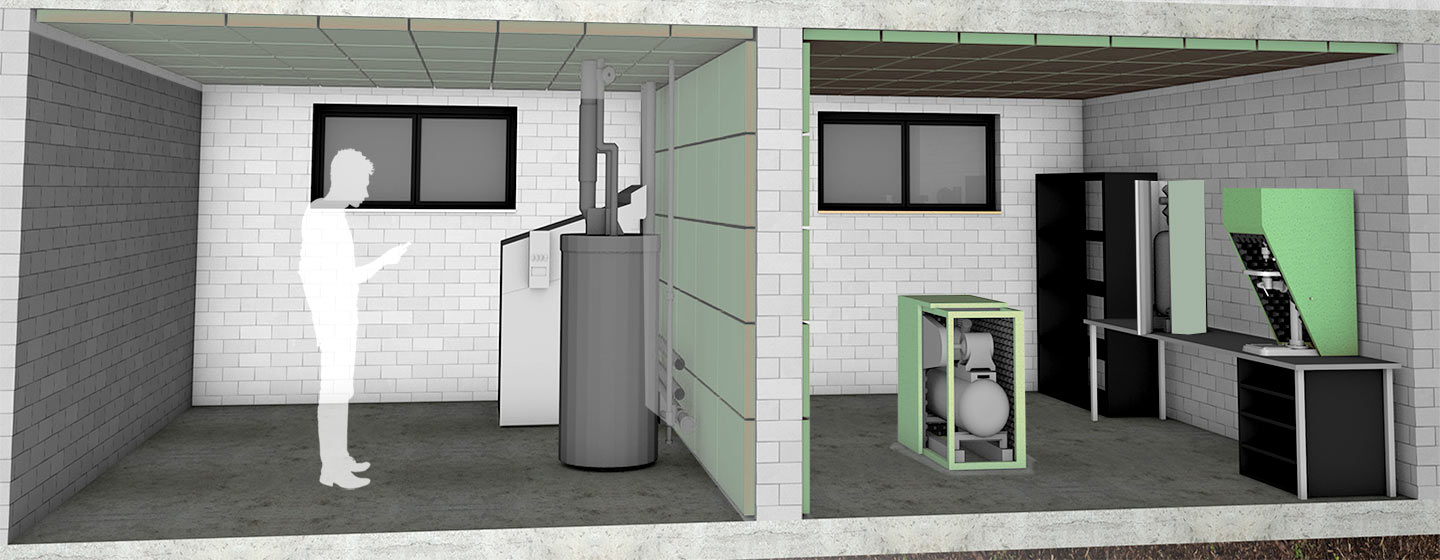

Reverberation
Reverberation – Explained simply & how to reduce it effectively
Reverberation occurs when sound is repeatedly reflected off hard surfaces in a room, such as walls, ceilings or windows. This causes a sound to ‘drag on’ – it lingers and is often perceived as annoying or tiring.
Particularly in flats, offices or hobby rooms, too much reverberation can quickly lead to unpleasant acoustics. Conversations become difficult to understand, and sounds seem louder than they actually are.
How does reverberation occur?
Reverberation occurs mainly when a room has manysmooth, hard surfaces. These reflect sound rather than absorbing it.
Typical causes include:
• bare walls without decoration
• large windows
• tiles, concrete or laminate flooring
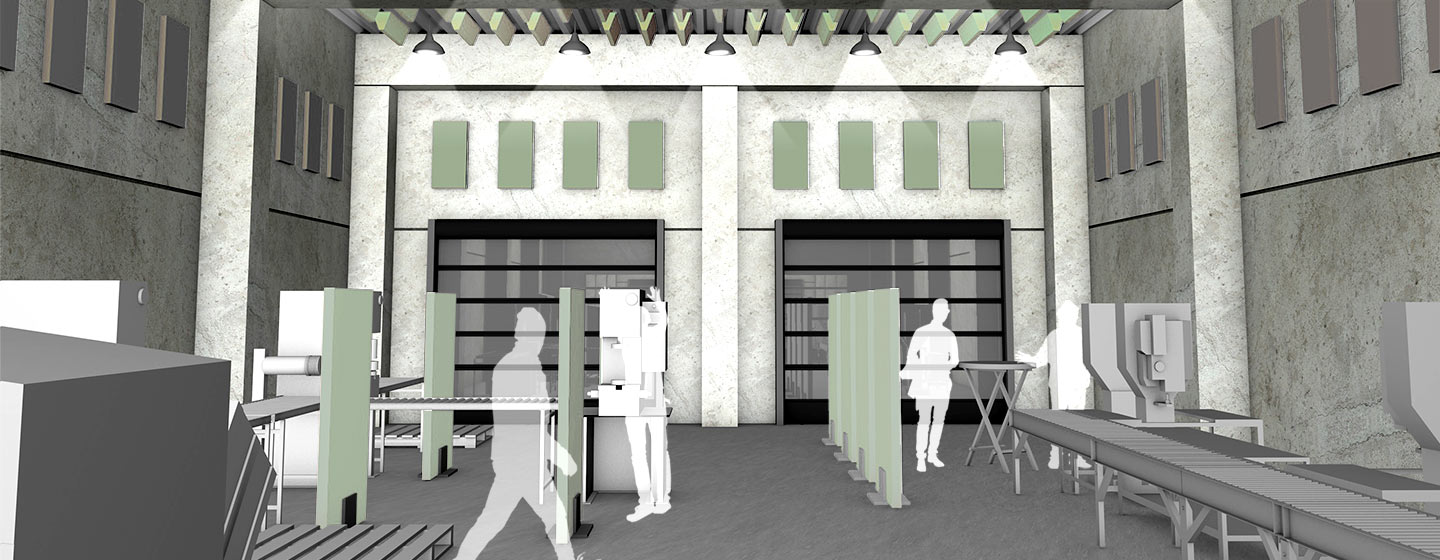
• high ceilings
• few pieces of furniture or textiles
The sound is reflected over and over again – this creates what is known as reverberation, which significantly impairs the room’s acoustics.
How can you tell if there’s too much reverberation?
You probably have a reverberation problem if:
• Conversations sound ‘muffled’ or ‘washed out’
• Voices in the room sound uncomfortably loud
• You notice an echo or reverberation
• Phone calls or video calls are unclear
• Noise becomes annoying or tiring more quickly
Why is reverberation a problem?
Too much reverberation affects not only the sound quality but also your well-being:
❌ s poorer speech intelligibilitybr />
❌ höhere gefühlte Lautstärke
❌ schnelleres Ermüden und Stress
❌ unangenehme Wohn- oder Arbeitsatmosphäre
Good room acoustics, on the other hand ensure greater peace and quiet, better communication and greater comfort.
How can you reduce reverberation?
The most important measure is sound absorption – in other words, using materials that absorb sound rather than reflecting it.
Effective solutions include:
1. Acoustic panels & wall absorbers
• reduce reflections directly from the walls
• ideal for living rooms, home offices or music rooms
2. Ceiling absorbers
• particularly useful in rooms with high ceilings
• improve the acoustics throughout the room
3. Acoustic foam
• versatile
• a good solution for studios, gaming rooms or hobby rooms
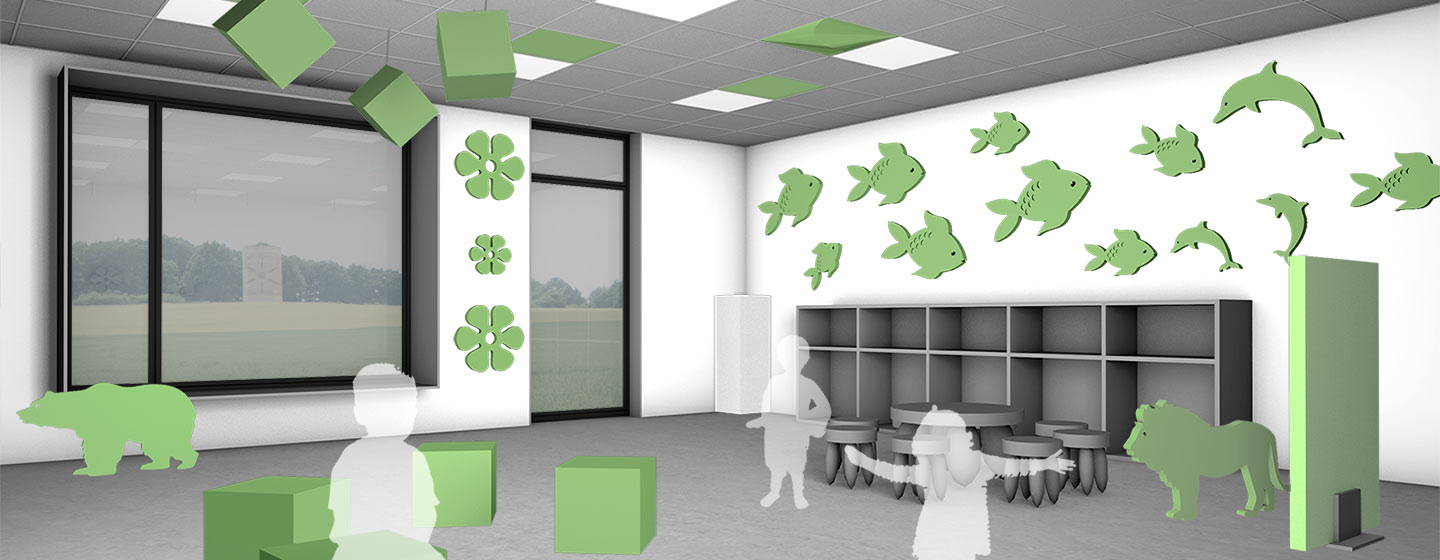
4. Acoustic art
• modern designs
• a good solution for living spaces, doctors’ surgeries or offices
5. Textiles & furnishings
• carpets, curtains and upholstered furniture provide additional help
• a simple, immediate measure requiring little effort
👉 Tip: A combination of several solutions yields the best results.
Where does reverberation occur most frequently?
Reverberation problems typically arise in:
• Living spaces with minimal furnishings
• Open-plan kitchens
• Home offices and office spaces
• Music or gaming rooms
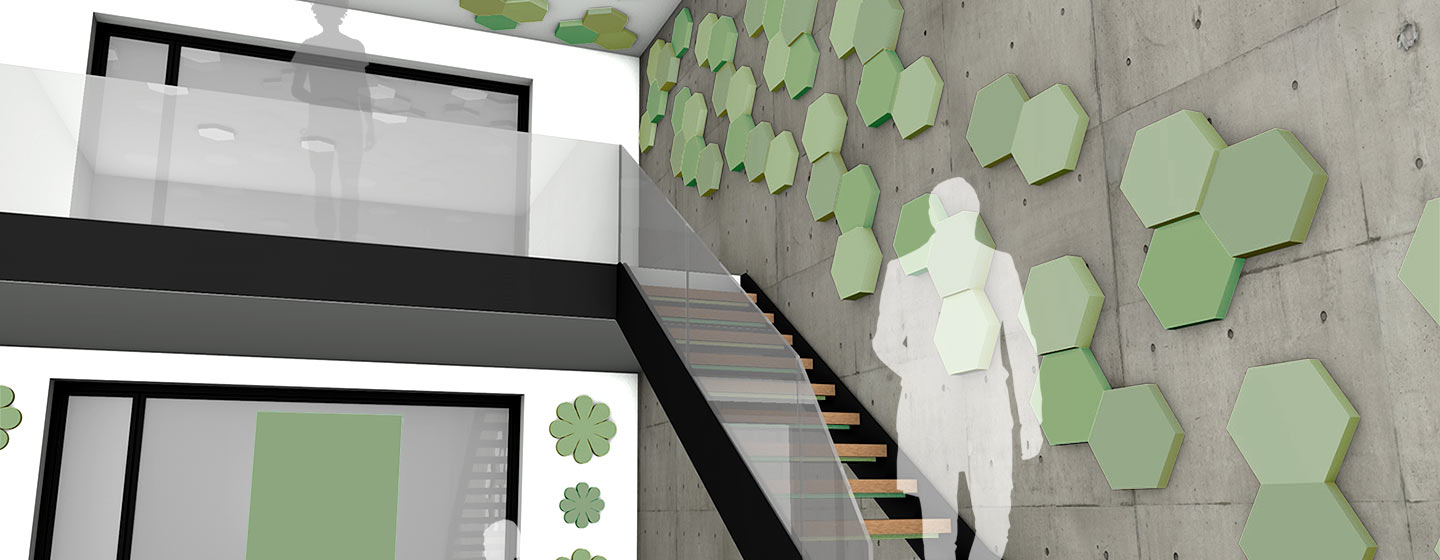
• Stairwells and corridors
Conclusion: Less reverberation = a better quality of life
Reverberation is an often underestimated problem – but it can be quickly brought under control with the right measures. Even small changes can significantly improve room acoustics. With targeted soundproofing solutions, you can create a quieter, more pleasant environment, where conversations are clearly audible again and you feel more at ease.
FAQ – Frequently asked questions about reverberation
What is the difference between reverberation and an echo?
An echo is a clearly audible repetition of a sound.
Reverberation, on the other hand, is a diffuse lingering sound in which individual reflections can no longer be distinguished.
How do I measure reverberation in a room?
Professionally, reverberation is measured using what is known as the reverberation time (RT60). For everyday use, a simple test is often sufficient: clap your hands – if the sound lingers for a long time, the reverberation is too high. For a more detailed analysis, we also offer the soniflex Room Acoustics Measurement app .
Can I reduce reverberation without structural alterations?
Yes. Even carpets, curtains or furniture can help. However, acoustic absorbers are the most effective way to achieve significant improvements.
Which materials are best at reducing reverberation?
Open-pored materials are best suited,, e.g.:
• Acoustic foam
• Specialised non-woven fabrics
• Textiles
• Acoustic panels
How many acoustic elements do I need?
This depends on the size and use of the room. As a rule of thumb:
👉 Around 30–50% of the room’s surface area should be sound-absorbing.
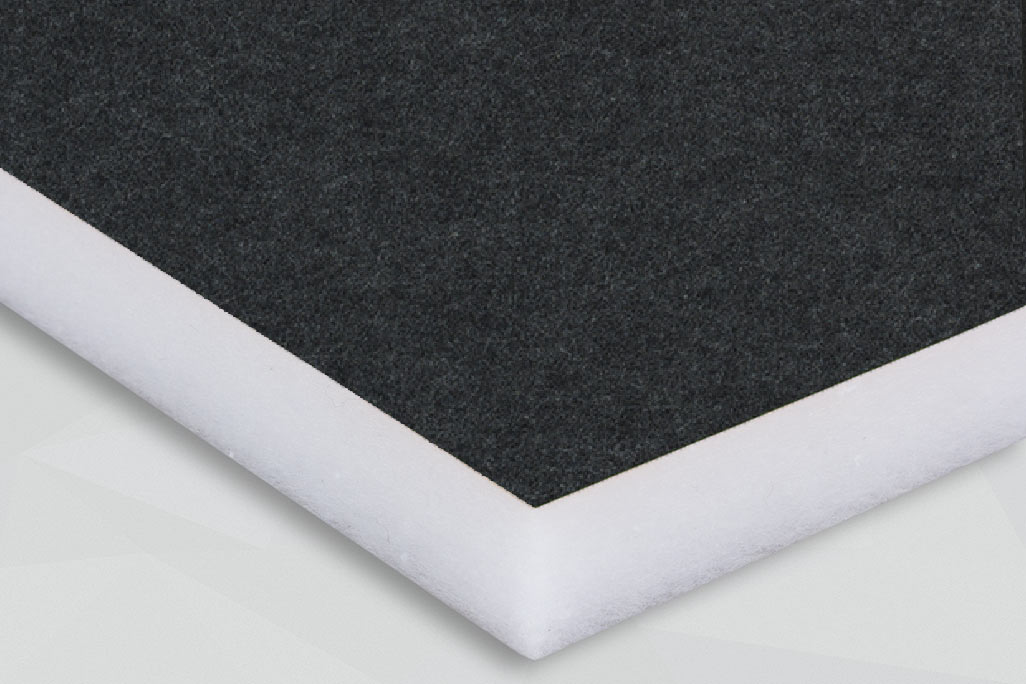
Content: 0.5 m² (€71.80* / 1 m²)
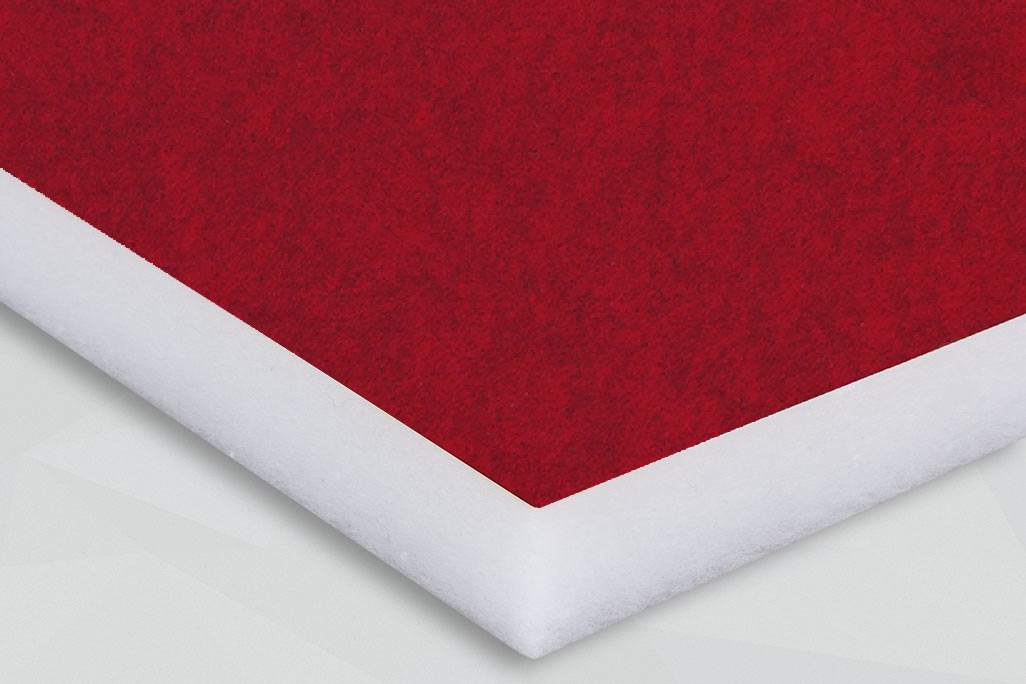
Content: 0.384 m² (€67.19* / 1 m²)

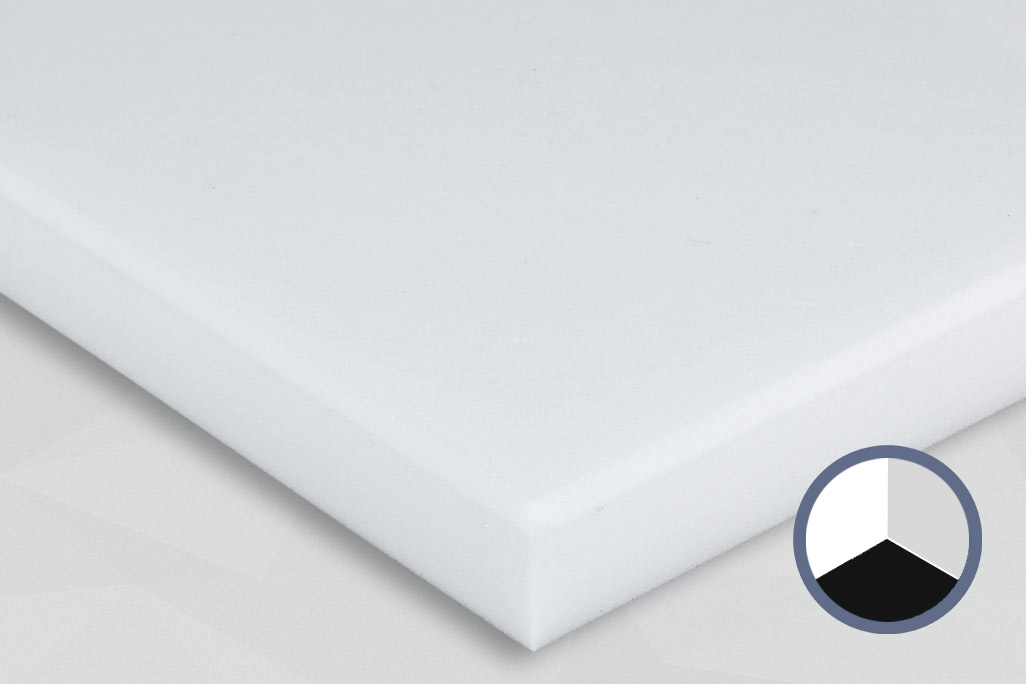
Content: 0.5 m² (€0.00* / 1 m²)