


Insulation
What does sound insulation mean?
Sound insulation refers to measures and materials that reduce unwanted noise or prevent it from spreading. The aim is to minimise noise and make living or working spaces quieter and more pleasant. Noise can cause stress, impair concentration and, in the long term, even affect health. That is why soundproofing is becoming increasingly important in everyday life. Particularly in flats, houses or during renovations, good insulation is crucial for a better quality of life.
Why is soundproofing so important?
Many sources of noise cannot be completely avoided – for example:
• Road traffic
• Neighbours
• Household appliances
• Heating or ventilation systems
• Music and home cinema
However, with the right soundproofing, you can significantly reduce noise and optimise the acoustics of a room. Soundproofing offers a quick and effective solution, particularly for DIY projects or specific problems.
What types of insulation are there?
1. Sound insulation
This prevents sound from entering from outside or from other rooms. Typical applications:
• Partition walls
• Doors and windows
• Ceilings and floors
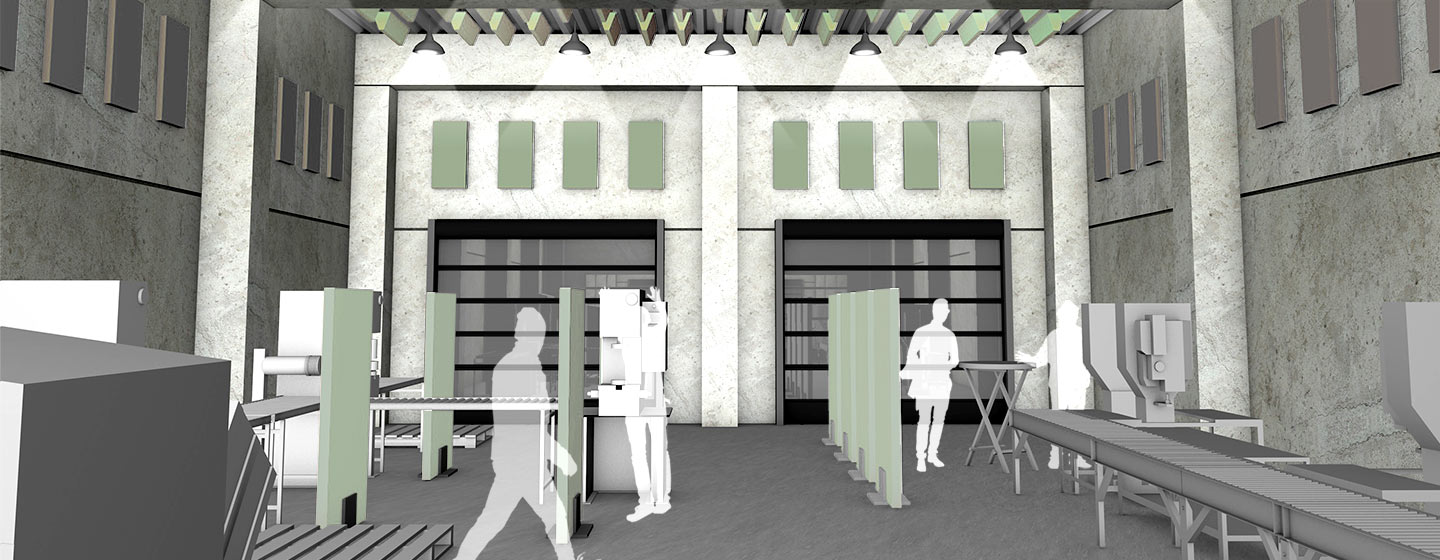
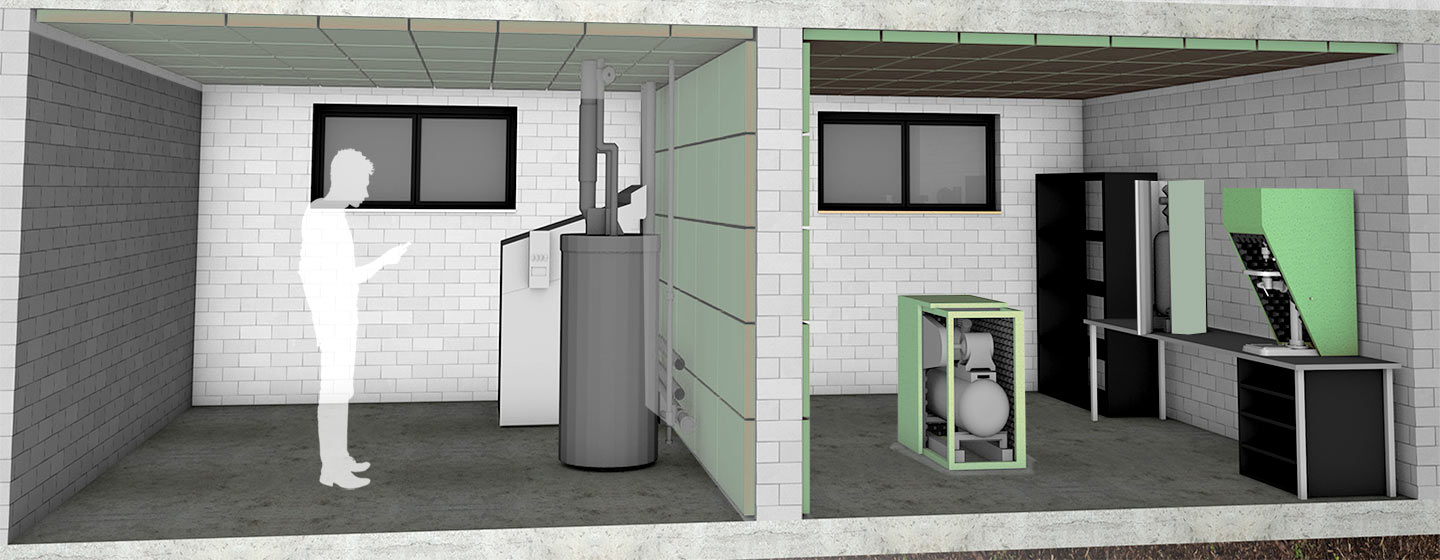
• Machinery or equipment
2. Sound absorption
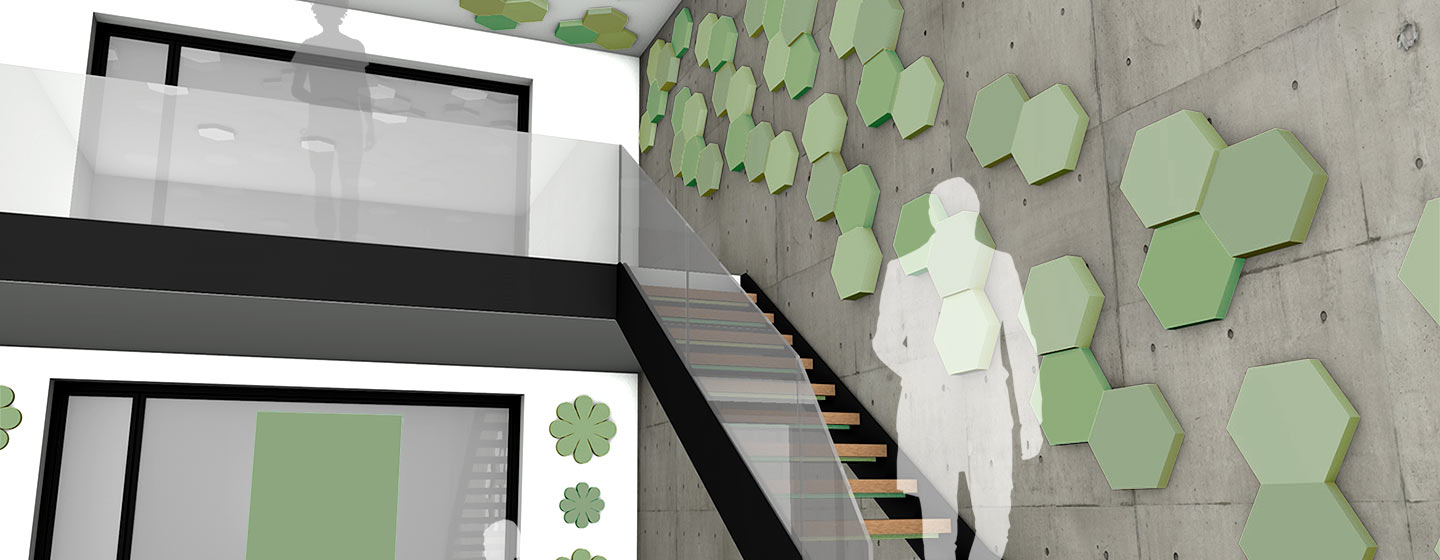
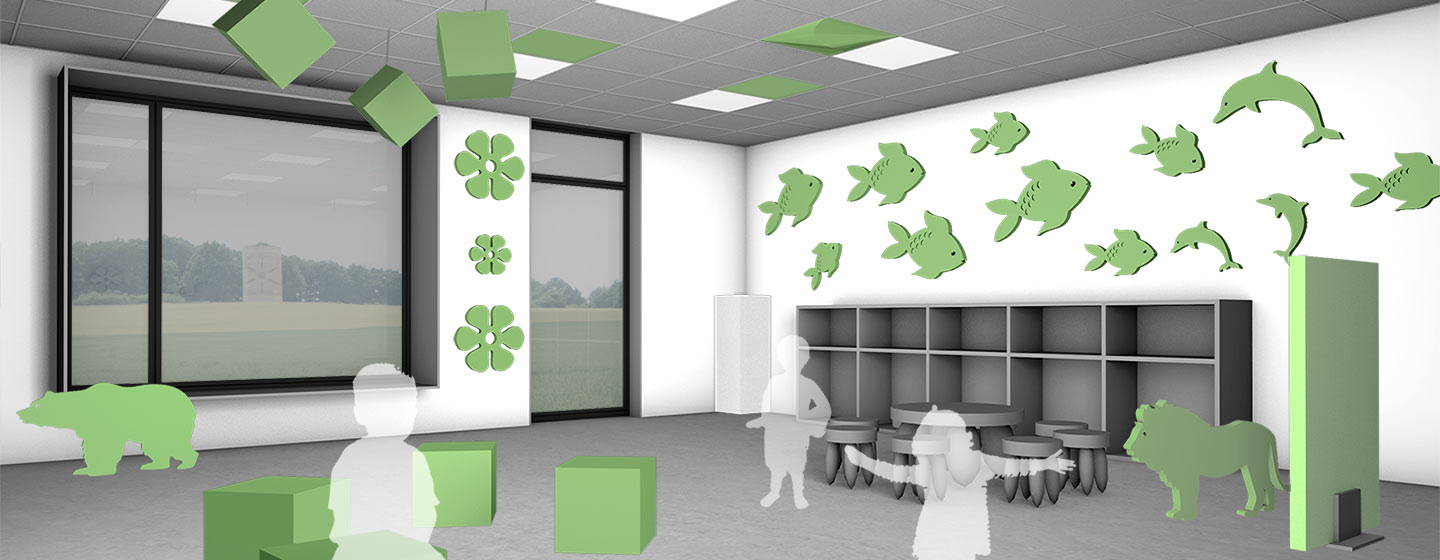
This reduces reverberation within a room. This improves the room acoustics, e.g. in:
• Home offices
• Music rooms
• Living rooms
• Restaurants or offices
3. Impact sound insulation
This prevents noise from being transmitted through the floor when walking or moving around.
4. Structure-borne sound insulation
This reduces vibrations and oscillations, for example from:
• Washing machines
• Heat pumps
• Technical equipment and systems
Many modern materials combine several of these functions.
What materials are used for insulation?
Depending on the application, various solutions are available:
• Acoustic foams
• Heavy-duty layers and composite materials
• Mineral insulation materials
• Vibration dampers and decouplers
These materials can reduce both airborne and structure-borne noise simultaneously, ensuring a quieter everyday environment.
Insulation in everyday life – typical applications
For private individuals, the following areas are particularly relevant:
• Insulating walls: to reduce noise from neighbours
• Improving ceilings: to reduce impact noise
• Decoupling appliances: e.g. washing machines
• Optimising room acoustics: to reduce reverberation
• Home office and gaming: o improve concentration
Even small measures can have a big impact.
Tips for effective soundproofing at home
✔ Identify the source of the problem first
✔ Combine insulation with sound absorption
✔ Consider airborne and structure-borne noise separately
✔ Use DIY solutions for quick improvements
✔ Combine several measures for serious problems
Conclusion
Insulation is a key component of modern noise protection solutions. It not only improves living comfort but also enhances concentration, relaxation and well-being. With the right materials and careful planning, many noise problems can be solved with a manageable amount of effort.
FAQ – Frequently asked questions about insulation
How effective is insulation against noise?
Good insulation can significantly reduce noise. Depending on the measures taken, improvements ranging from a few decibels to a noticeably quieter environment are possible.
What type of insulation helps with noise from neighbours?
Wall and ceiling systems that prevent sound transmission are particularly effective here. Absorbers also help to reduce reverberation.
What is the difference between insulation and absorption?
Insulation blocks sound, whilst absorption ‘swallows’ it within the room. Both measures complement each other.
Can I install insulation myself?
Many soundproofing solutions are easy to install – such as wall absorbers, mats or decouplers for appliances.
Which rooms benefit the most?
Living rooms, bedrooms, home offices, children’s rooms and music rooms benefit particularly greatly.
How quickly does soundproofing take effect?
Improvements are often audible immediately, particularly in terms of room acoustics and the decoupling of appliances.
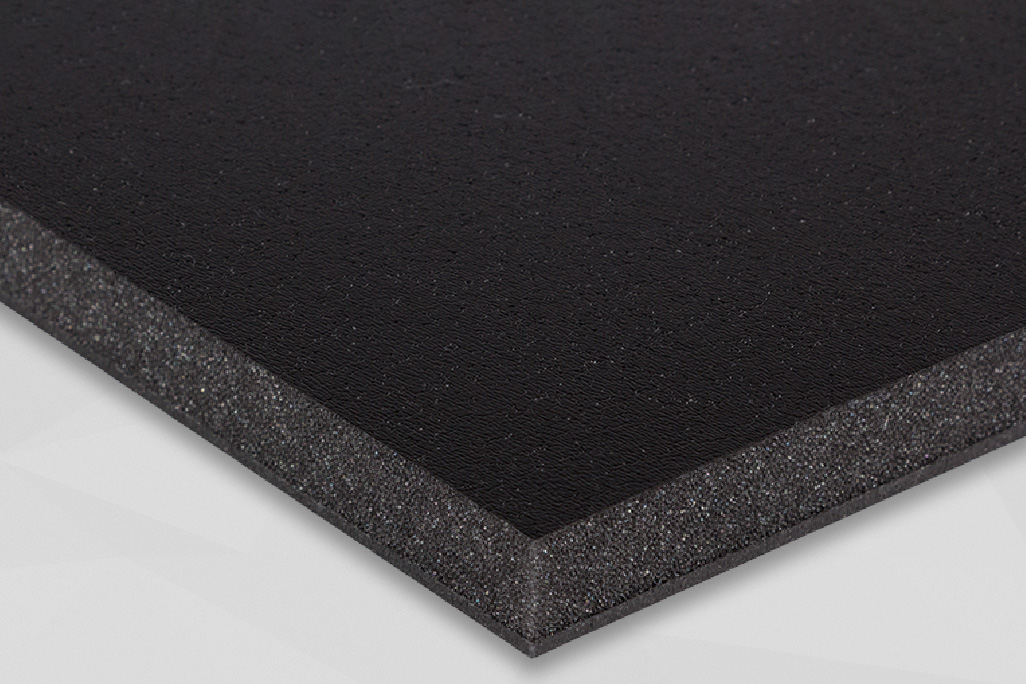
Content: 0.5 m² (€41.80* / 1 m²)
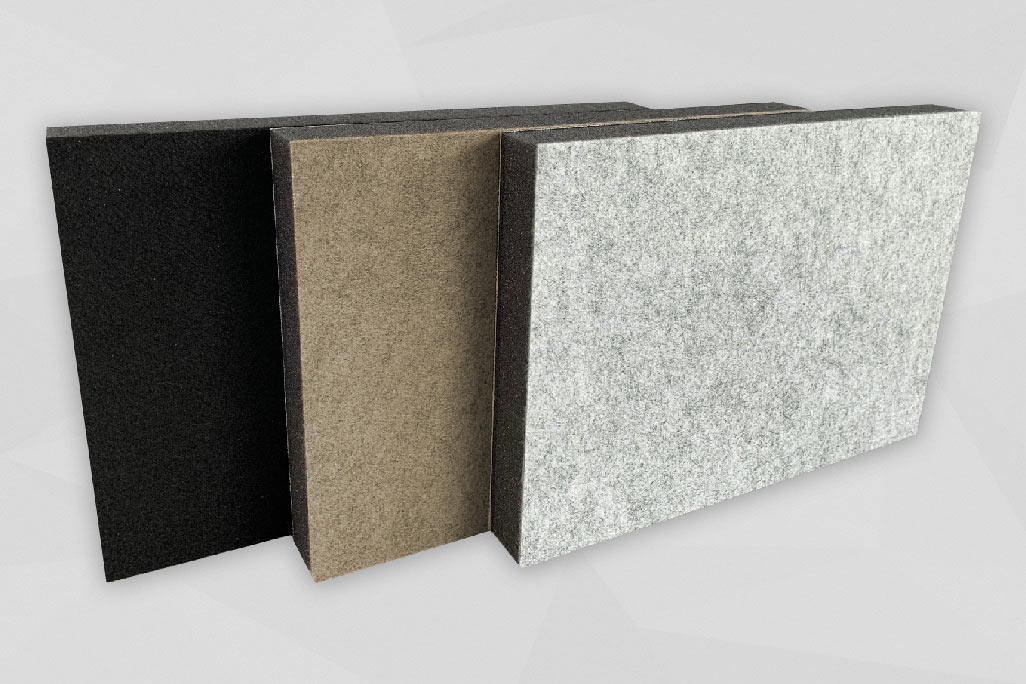
Content: 0.5 m² (€59.80* / 1 m²)
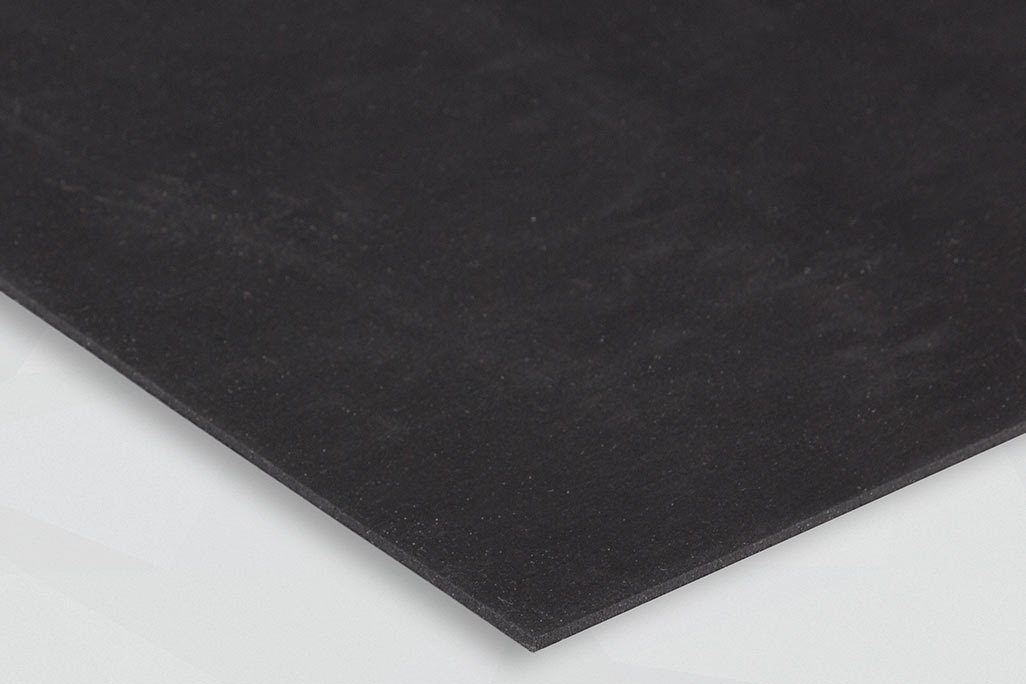
Content: 0.5 m² (€27.80* / 1 m²)
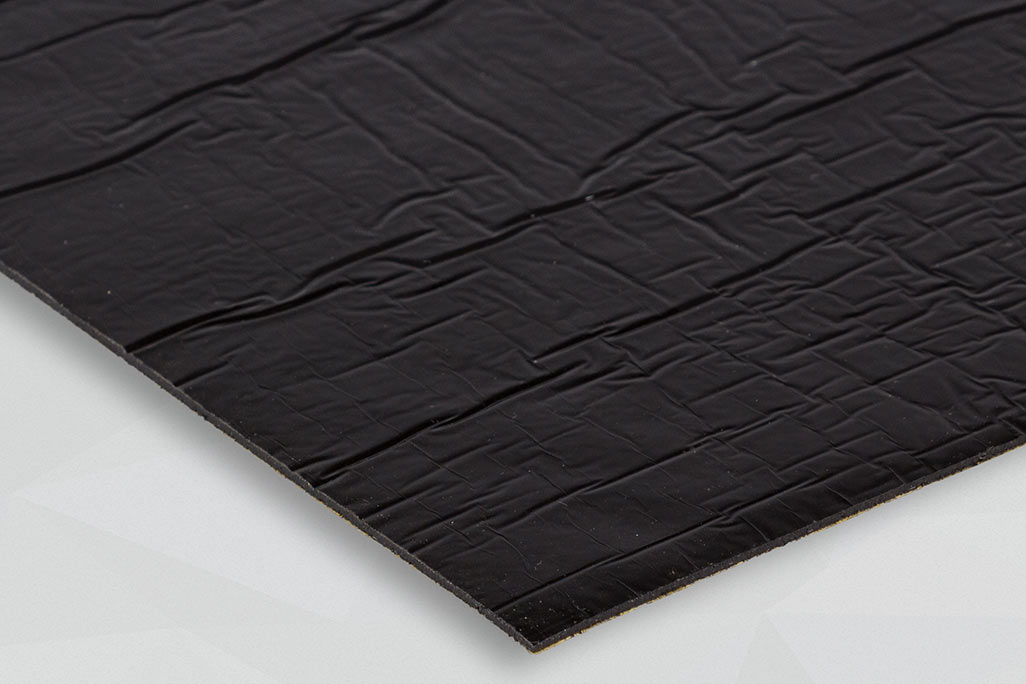
Content: 0.5 m² (€31.00* / 1 m²)
Content: 0.5 m² (€27.80* / 1 m²)