


Audible frequency range
What is meant by the audible frequency range?
The audible frequency range describes the range of all sounds that can be perceived by the human ear. In a young, healthy person, this range is normally between 20 Hertz (Hz) and 20.000 Hertz (20 kHz).
Not all frequencies are perceived with the same intensity. The human ear is particularly sensitive to frequencies between approximately 500 Hz and 4.000 Hz. Most speech sounds and many everyday noises fall within this range. This is why sounds in these frequency ranges are often perceived as particularly loud and disturbing – even if the sound pressure level is not exceptionally high.
Why is the frequency range important for sound insulation?
For effective sound insulation, it is not enough to simply consider the volume of a noise. The frequency range in which the sound is generated is also crucial.
Low frequencies, such as those produced by machinery, heat pumps or ventilation systems, propagate differently from high frequencies. At the same time, the human ear is significantly more sensitive to mid-range frequencies. This is why modern sound insulation solutions are specifically tailored to different frequency ranges.
Depending on the application, materials can be used that:
• absorb high frequencies,
• reduce mid-range frequencies,
• effectively dampen low-frequency sound,
• or cover a broad frequency spectrum.
Which frequencies do people find particularly disturbing?
Whether a sound is perceived as disturbing does not depend solely on its sound pressure level. Frequency also plays an important role.
Typical examples:
• Low frequencies (20–250 Hz): heat pumps, engines, ventilation systems, bass sounds
• Mid-range frequencies (250–2,000 Hz): speech, domestic appliances, traffic noise
• High frequencies (above 2,000 Hz): whistling noises, compressed air systems or electronic signal tones
As speech is predominantly in the mid-range frequency band, this range is particularly often taken into account in noise control.
What role do sound absorbers play in the audible frequency range?
Acoustic foams, non-woven fabrics and composite materials are designed to absorb sound energy as efficiently as possible within specific frequency ranges.
Their effectiveness depends, amongst other things, on:
• material composition,
• material thickness,
• surface texture,
• installation conditions,
• the frequency range to be attenuated.
For an optimal sound insulation solution, it is therefore always important to consider which frequencies actually occur in the specific application.
Why are low frequencies more difficult to dampen?
Low-frequency sound has long wavelengths and can cause building components to vibrate more easily. As a result, it often propagates through walls, ceilings or floors and can also be heard in neighbouring rooms. Simple acoustic foams are usually insufficient for effectively reducing low frequencies. Combinations of sound-absorbing materials, higher mass or specialised insulation systems are often used for this purpose.
What role does the audible frequency range play in acoustics and room sound?
Improving room acoustics involves reducing disruptive sound reflections within the relevant audible frequency range. This makes speech clearer, music sounds more balanced and rooms feel more pleasant overall.
Acoustic absorbers mainly improve the sound within a room. However, they do not replace structural sound insulation against noise from outside or from neighbouring rooms.
Conclusion
The audible frequency range encompasses all sounds that humans can perceive. For effective sound insulation, frequency is the key factor, alongside volume. Depending on the requirements, sound-absorbing or sound-insulating materials are used, which can be tailored to the relevant frequency ranges.
This allows disruptive noises to be specifically reduced and acoustic comfort to be improved in the long term.
Frequently asked questions about the audible frequency range
What is the audible frequency range?
The audible frequency range refers to the range of frequencies that the human ear can perceive. In young people, it is approximately between 20 Hz and 20,000 Hz.
Why are low frequencies harder to dampen?
Low-frequency sounds have long wavelengths and travel more easily through building materials. This makes them significantly harder to reduce than high frequencies.
Is volume the same as frequency?
No. Volume describes how loud a sound is perceived to be. Frequency, on the other hand, determines whether a sound is low or high-pitched.
Because sound-absorbing materials work differently depending on the frequency. Knowing the frequency of the noise helps in selecting the right material.
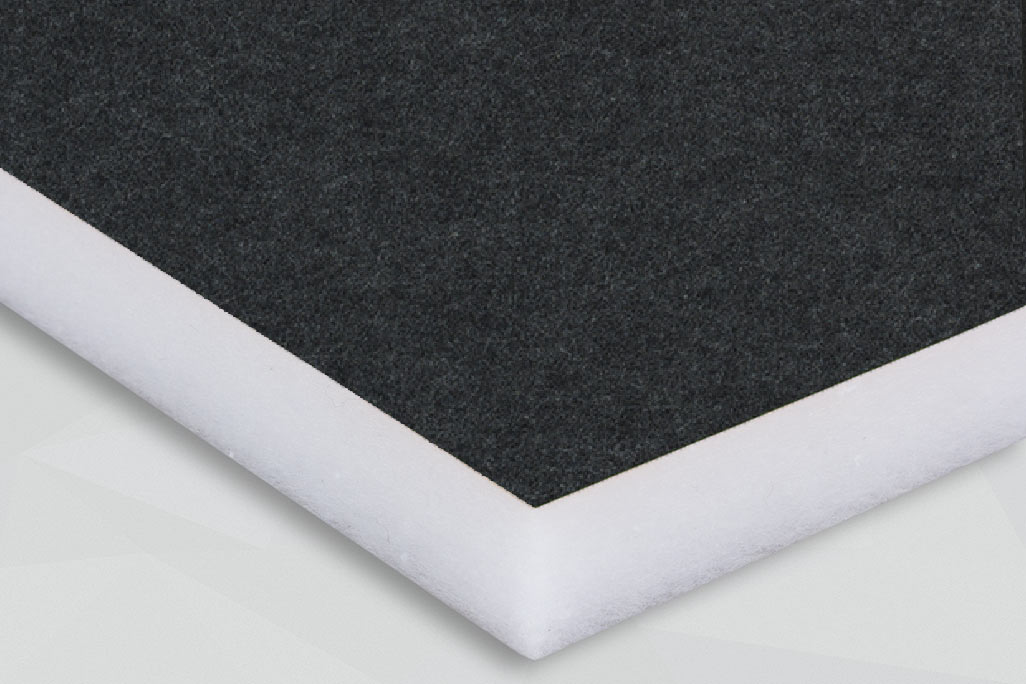
Content: 0.5 m² (€71.80* / 1 m²)
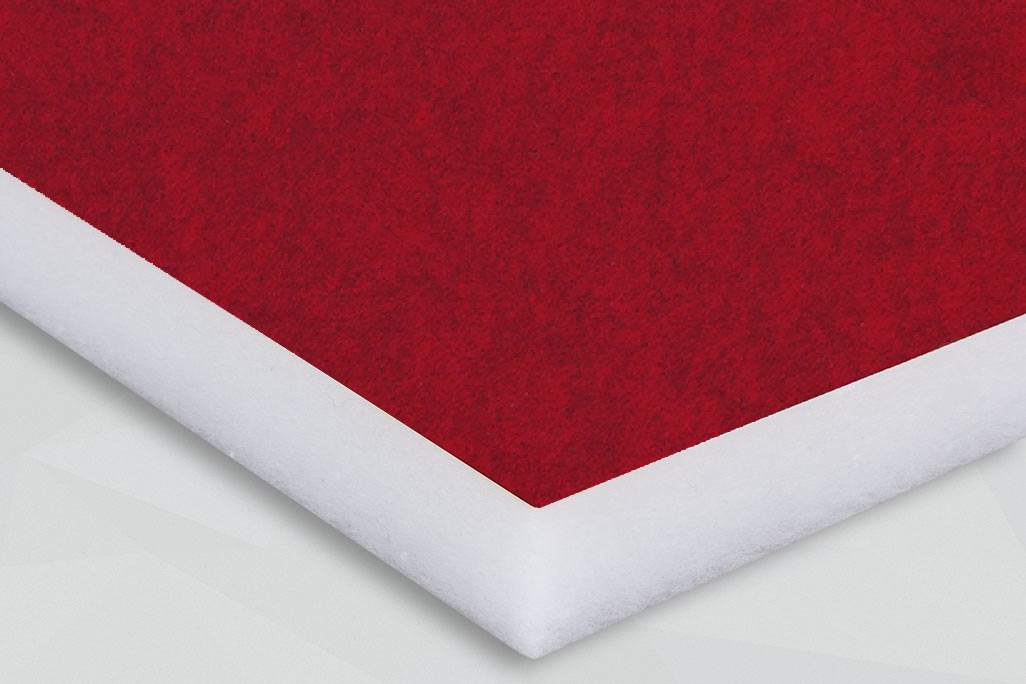
Content: 0.384 m² (€67.19* / 1 m²)
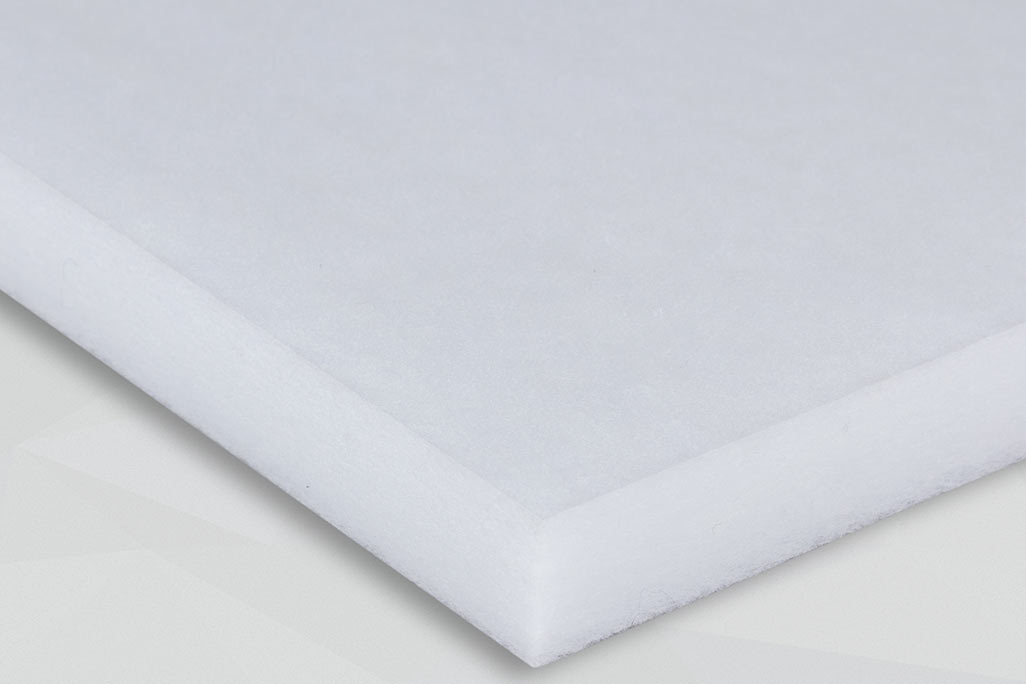
Content: 0.5 m² (€35.80* / 1 m²)
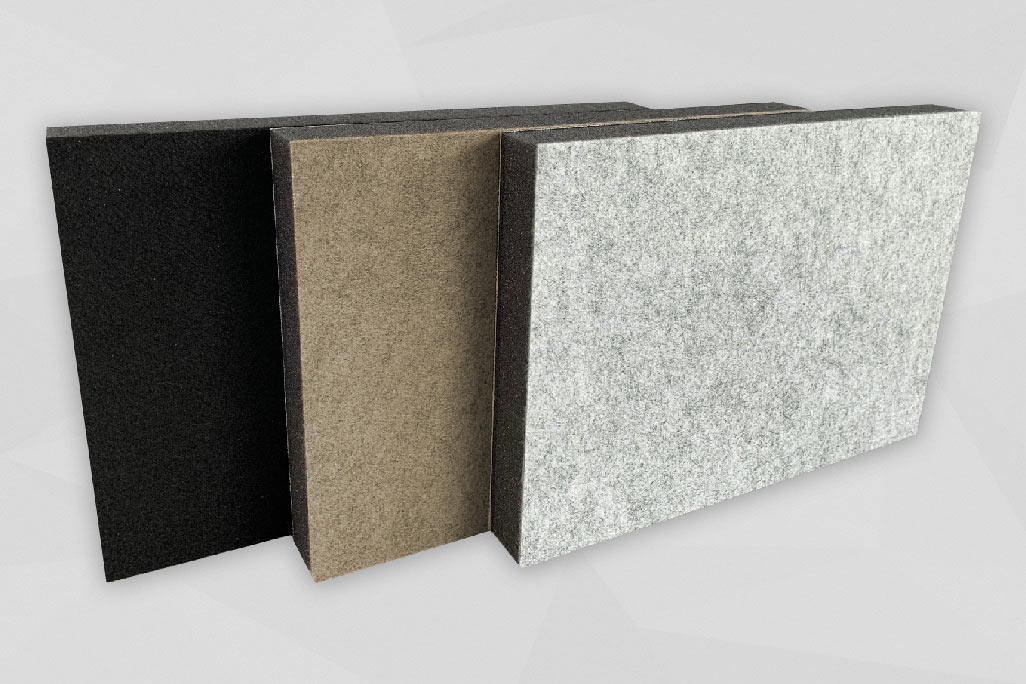
Content: 0.5 m² (€59.80* / 1 m²)
Content: 0.5 m² (€0.00* / 1 m²)