
Absorber
Absorbers – effective sound absorbers for pleasant room acoustics
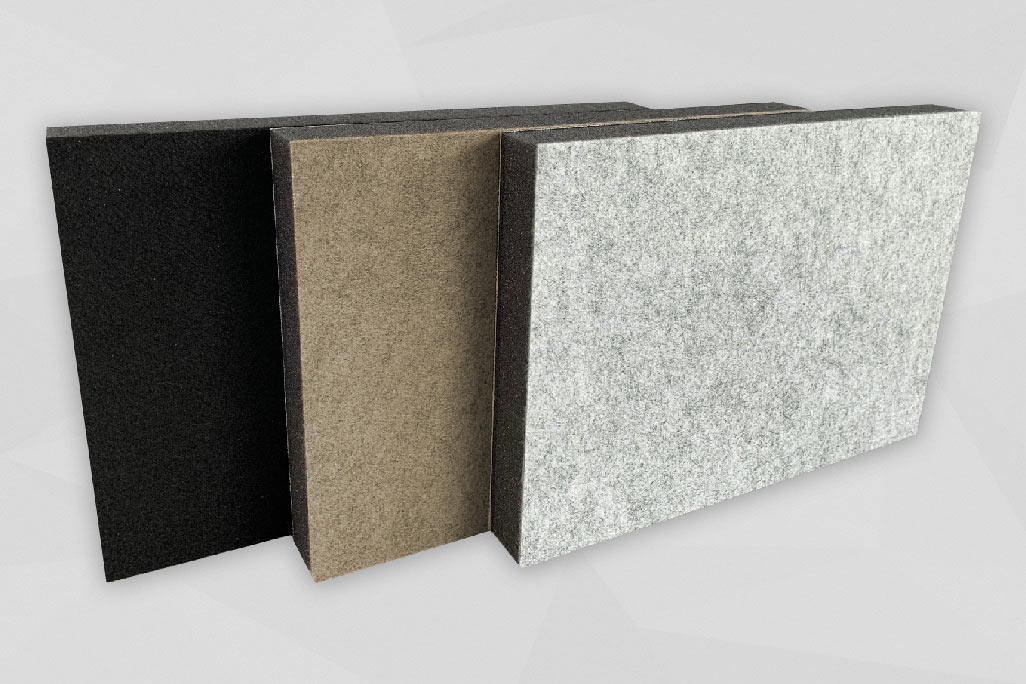
An absorber is a special material that absorbs sound waves, thereby reducing reverberation in the room. Absorbers ensure greater peace and quiet, better speech intelligibility and an overall more pleasant sound, especially in living rooms, home offices or hobby areas.
What exactly does an absorber do?
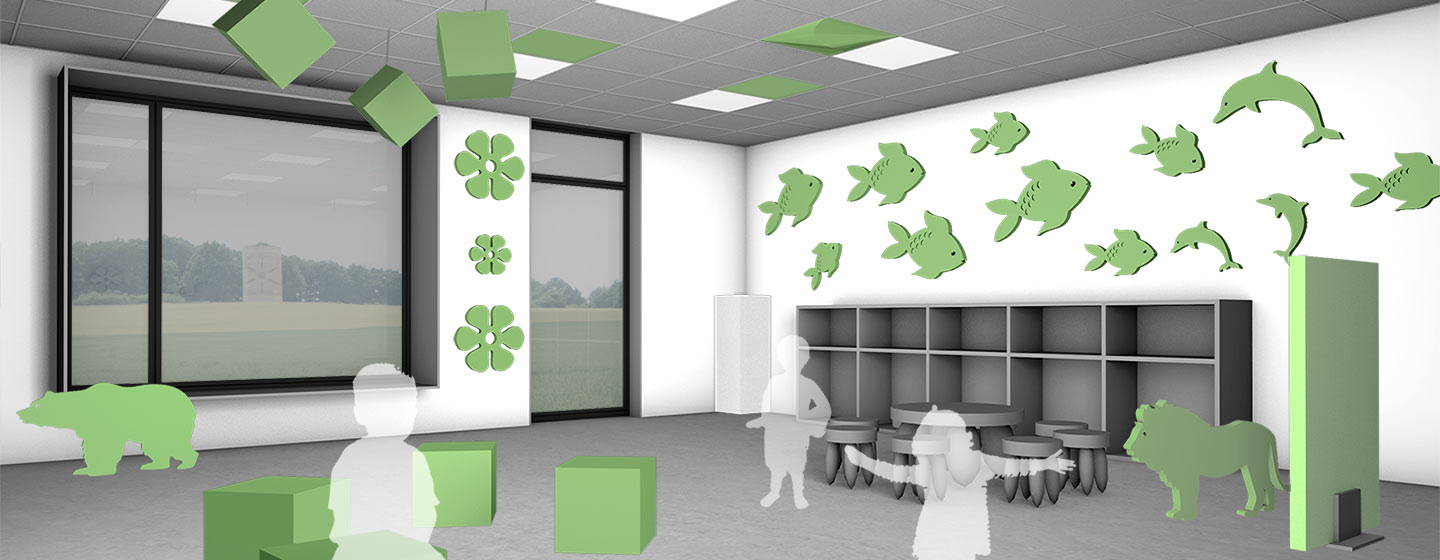
Sound bounces off hard surfaces and is thrown back and forth in the room. This leads to reverberation, poor acoustics and a loud room feeling. An absorber consists of open-cell materials that absorb sound waves and convert them into minimal heat. This means that the sound is not reflected back – the room immediately sounds quieter. Installing sound absorbers is particularly beneficial in schools, nurseries and, more generally, in rooms where there are large numbers of people, as they reduce noise levels and significantly improve speech intelligibility.
Why absorbers are particularly useful for private customers
Many modern homes have smooth surfaces such as parquet flooring, glass or concrete. These surfaces amplify reverberation – even normal conversations can seem unpleasantly loud.
Absorbers provide noticeable help here:
• Living rooms & bedrooms: Less reverberation, a more pleasant atmosphere, better relaxation.
• Home office: Clearer video conferences, less disruptive room acoustics.
• Music & hobby rooms: Better acoustics in the room, less noise to the outside.
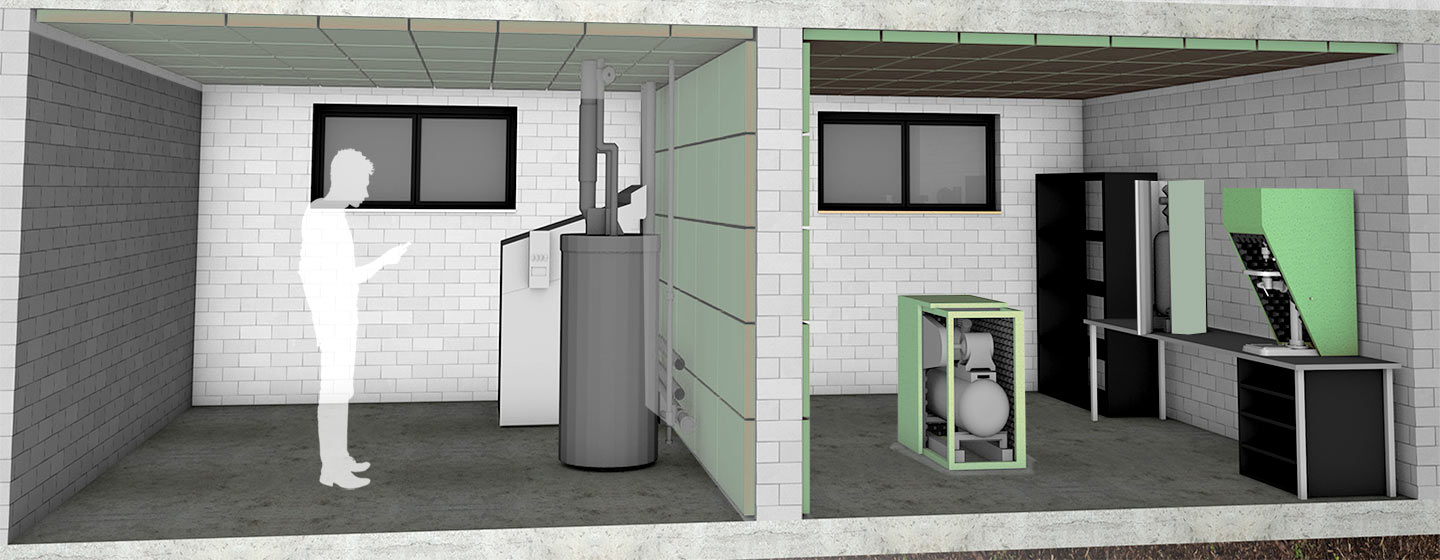
• Technical rooms (e.g. heat pump, ventilation): Noises are dampened, the room seems less ‘loud’.
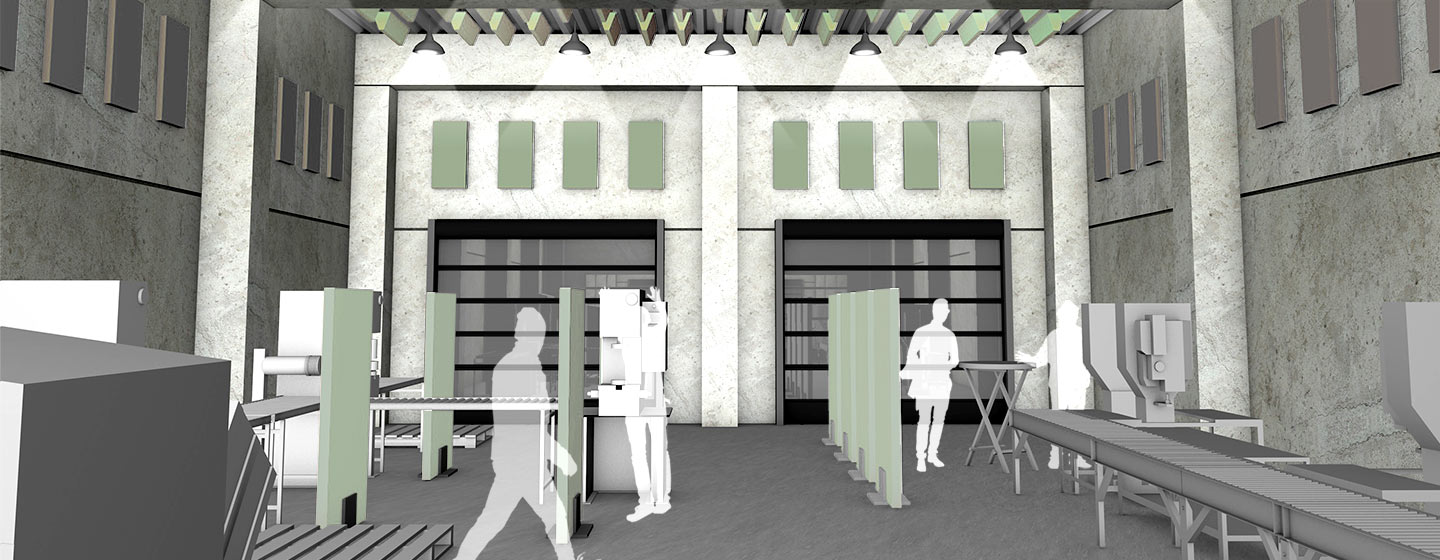
• Workshop & garage: Machine noise is reduced, the room sounds less harsh.
What types of absorbers are there?
1. Acoustic foam
• Ideal for reducing reverberation
• Easy to install
• Perfect for living rooms, offices and music rooms
2. Acoustic non-woven
• Discreet appearance
• Very good broadband absorption
• Suitable for large wall or ceiling areas
3. Absorbers with additional insulation effect
• Combination of absorption + sound insulation
• Particularly effective for loud machines or building services
Advantages of absorbers at a glance
✔ Less reverberation
✔ Better speech intelligibility
✔ Pleasant room acoustics
✔ Less noise pollution – noticeably less stress
✔ Higher quality of living
✔ Easy installation – ideal for DIY projects
Conclusion
Absorbers are one of the most effective solutions for improving room acoustics. They reduce annoying reverberation, create a relaxed atmosphere and ensure that conversations, music or video conferences sound much more pleasant. Especially in private living areas, they are a simple and effective way to bring more peace and quiet into everyday life. However, their benefits extend far beyond that. Wherever noise is generated and large numbers of people gather, sound absorbers play a key role in improving room acoustics and significantly enhancing people’s sense of well-being.
FAQ – Frequently asked questions about absorbers
What is the difference between an absorber and sound insulation?
An absorber reduces reverberation and room reflections by absorbing sound. Sound insulation, on the other hand, prevents sound from passing from one room to another – for example, between two rooms.
How do I install a sound absorber correctly?
Many absorbers can be securely attached to walls or ceilings using special adhesive, velcro tape or spray adhesive. It is particularly effective not to mount the absorbers directly onto the surface, but to fix them at a slight distance from the wall – this enhances the acoustic effect and further improves sound absorption.
Where does an absorber make particular sense?
Absorbers are particularly helpful where reverberation or speech confusion is a problem – e.g. in the living room, office, streaming or music room. In larger rooms, it is often worthwhile combining different types of absorbers.
Can I reduce external noise with absorbers?
Absorbers mainly improve room acoustics. Special sound insulation/building acoustics are required for external noise or sound transmission between rooms.
How many absorbers do I need?
That depends on the size of the room, the wall surfaces and the existing reverberation. As a rule of thumb, the more smooth surfaces there are, the more an absorption surface can help.
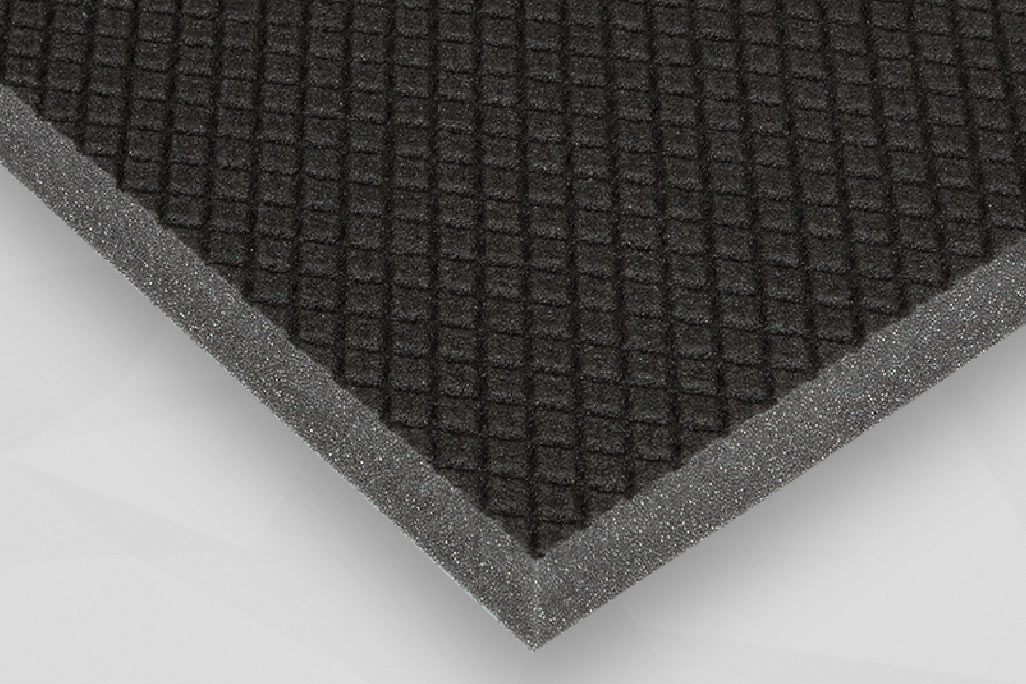
Content: 0.5 m² (€21.80* / 1 m²)
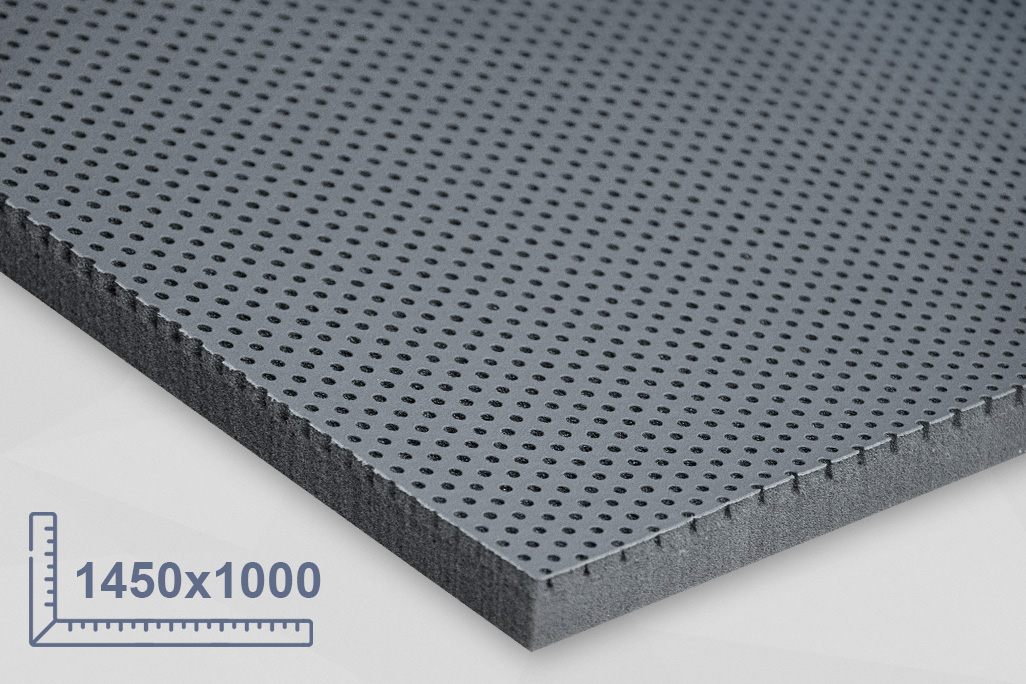
Content: 1.45 m² (€62.00* / 1 m²)
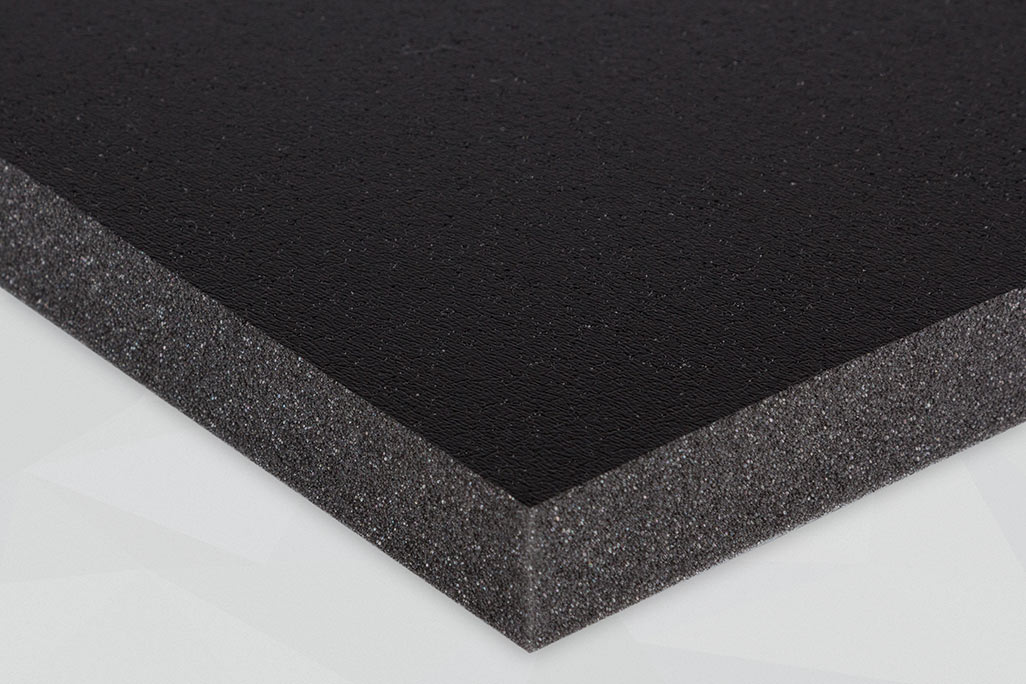
Content: 0.5 m² (€25.80* / 1 m²)
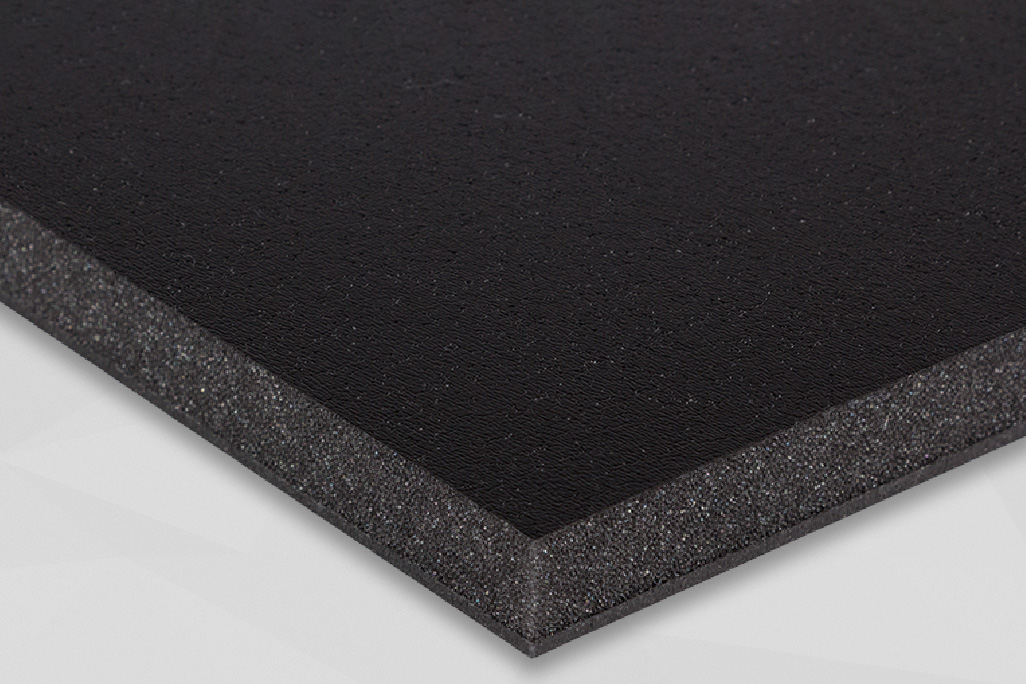
Content: 0.5 m² (€41.80* / 1 m²)
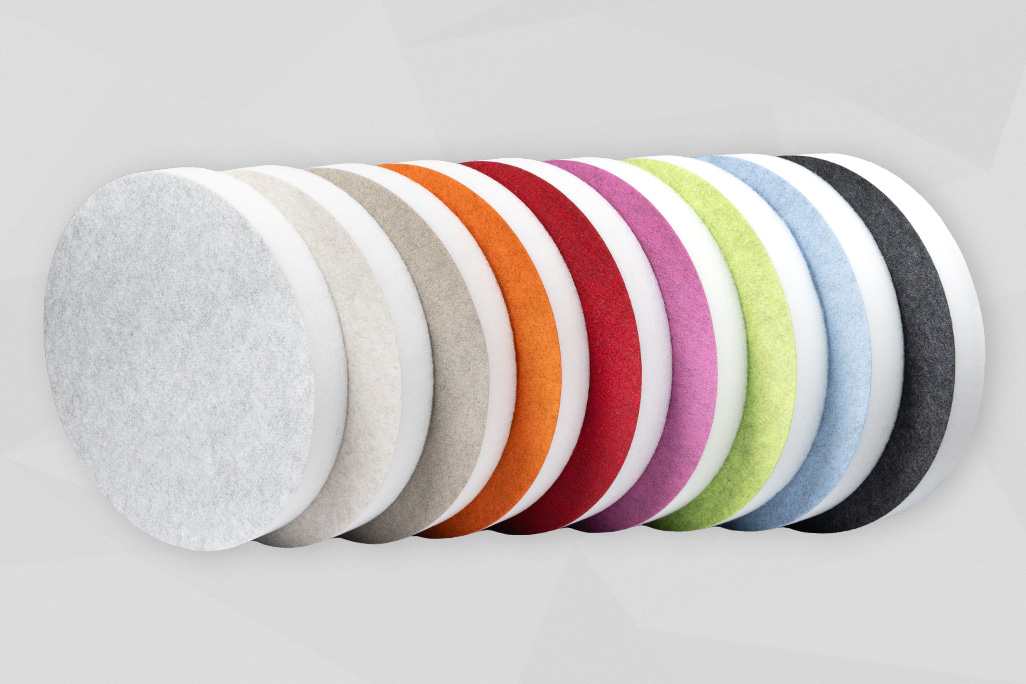
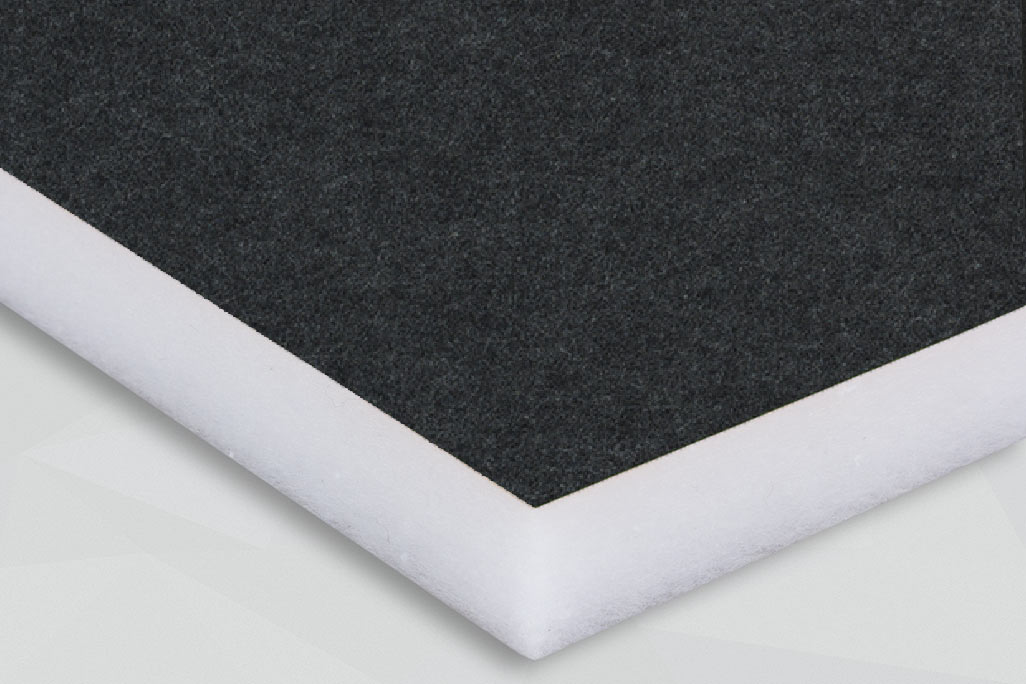
Content: 0.5 m² (€71.80* / 1 m²)
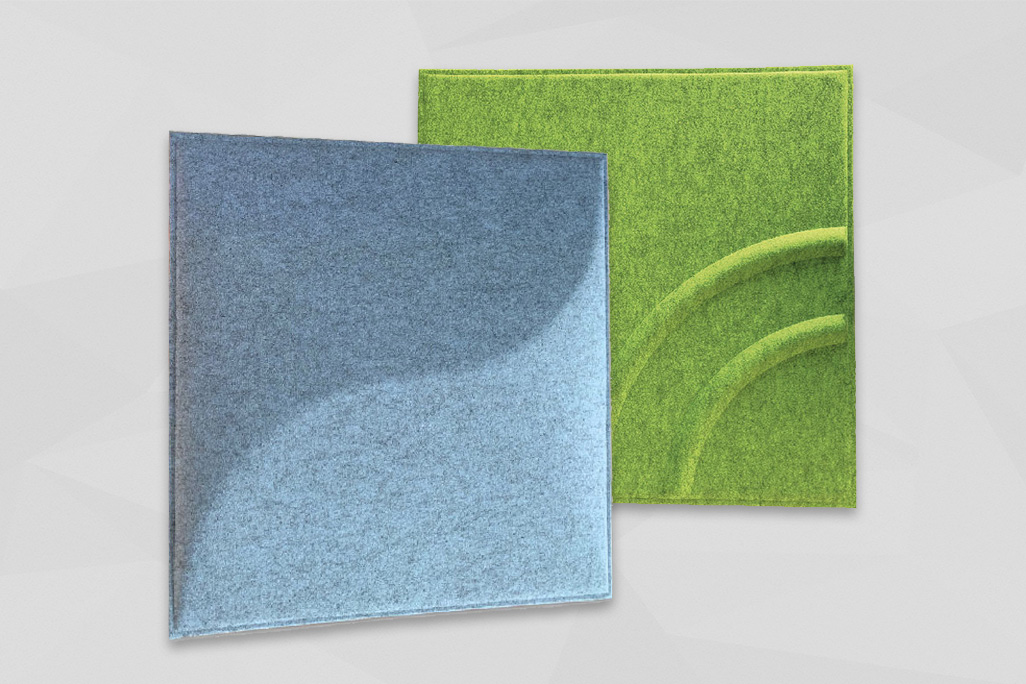
Content: 0.382 m² (€41.62* / 1 m²)
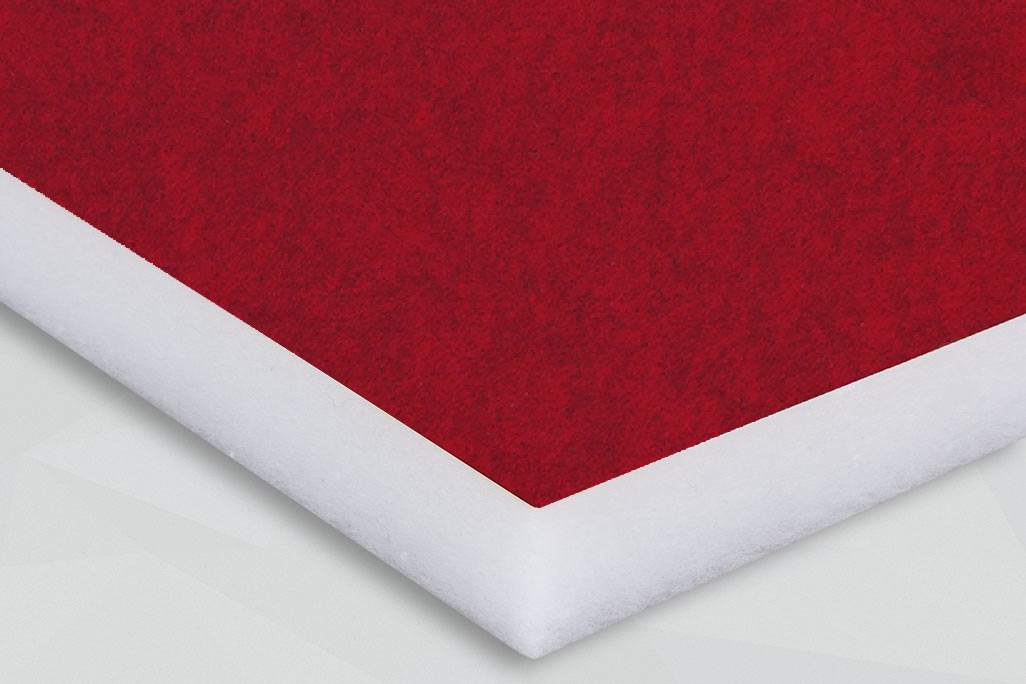
Content: 0.384 m² (€67.19* / 1 m²)
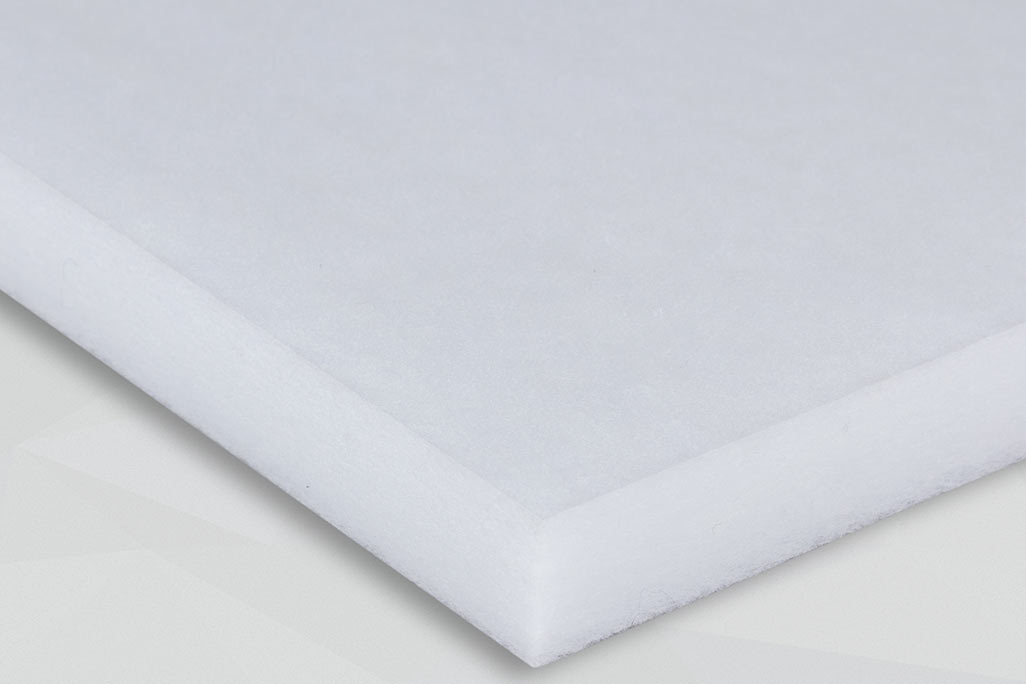
Content: 0.5 m² (€35.80* / 1 m²)
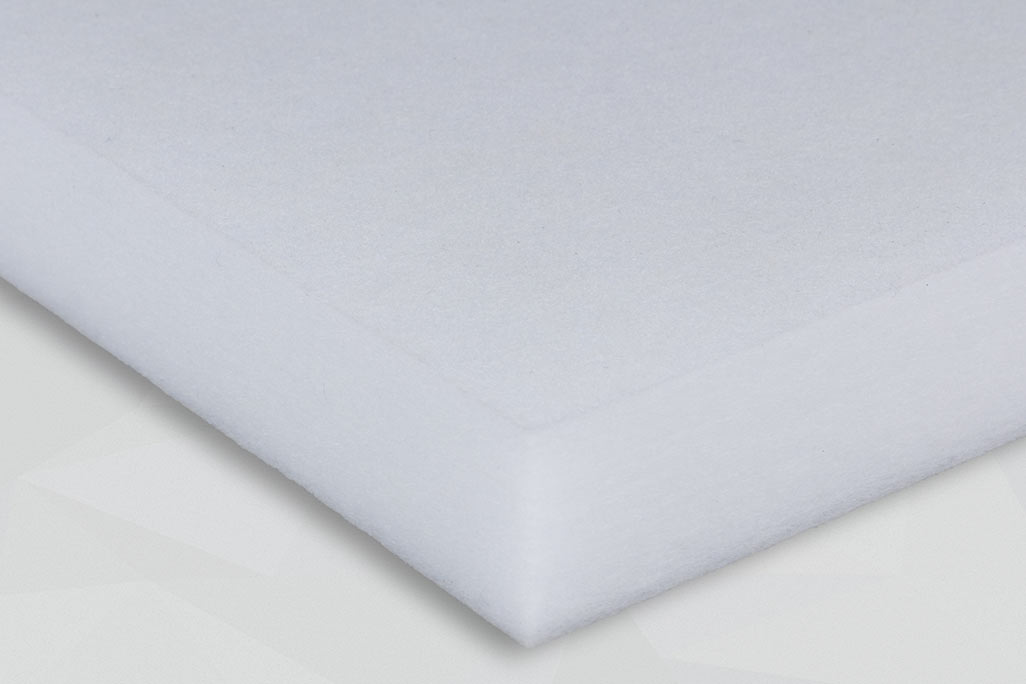
Content: 0.384 m² (€56.51* / 1 m²)
Content: 0.5 m² (€59.80* / 1 m²)