


Hertz
Hertz (Hz) – explained simply for noise protection
The unit Hertz (Hz) describes the frequency of sound. It indicates how many times a vibration occurs per second. Frequency is a crucial factor, particularly in the fields of acoustics and sound insulation, as it is perceived differently by people and therefore places different demands on sound insulation.
The higher the hertz value, the higher a sound appears. Low hertz values are perceived as deep, muffled sounds, whilst high frequencies tend to sound bright or shrill.
What exactly does hertz mean?
• 1 Hz = 1 oscillation per second
• 1000 Hz (1 kHz) = 1000 oscillations per second
The higher the value, the ‘higher’ we perceive the sound to be. Low values correspond to low-pitched, often rumbling sounds.
The most important frequency ranges in everyday life
For the purposes of noise protection, sounds can be broadly divided into three ranges:
Low-frequency sounds (below 250 Hz)
Typical examples:
• Bass sounds
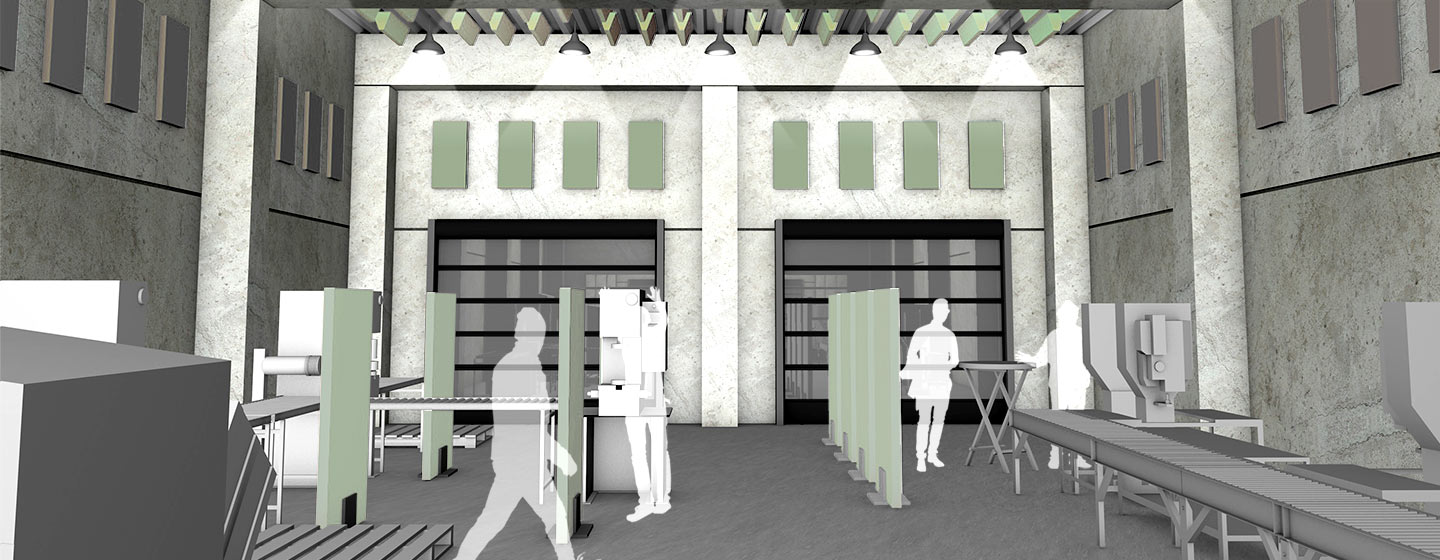
• Heat pumps or machinery
• Ventilation systems
• Traffic noise
Low-frequency sounds are often not only heard but also felt as vibrations. Reducing them usually requires heavy or specially tuned insulation materials (e.g. soni EVA or soni HEAVY) er.
Mid-frequency sounds (250 to 2,000 Hz)
Typical examples:
• Conversations
• Televisions
• Music
• Office noise
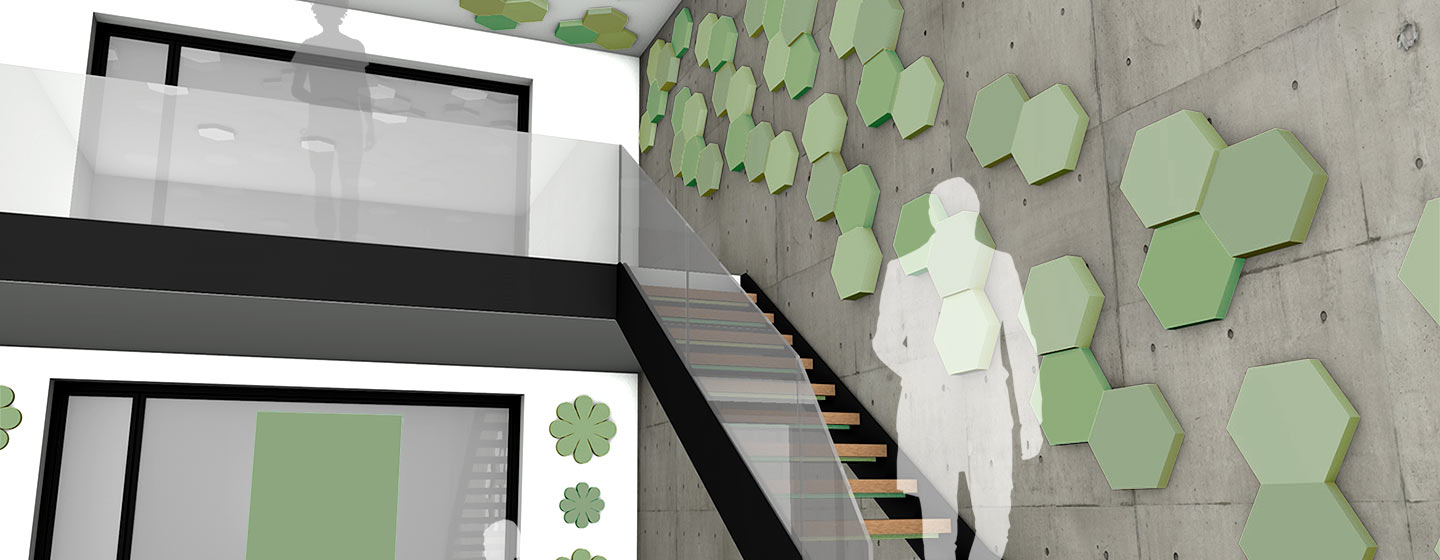
This range is particularly relevant for speech intelligibility and room acoustics. Acoustic panels and sound absorbers can be used very effectively here.
High-frequency noises (above 2,000 Hz)
Typical examples:
• Whistling
• Ringing
• Bright, shrill tones
• Technical signal noises
High frequencies can often be significantly reduced using relatively lightweight absorbers and acoustic elements.
What frequencies can humans hear?
The human ear normally perceives frequencies between approximately 20 Hz and 20.000 Hz. We are particularly sensitive to the range between 500 Hz and 5.000 Hz, as this is where most speech components are found.
For this reason, many soundproofing measures are specifically tailored to this frequency range.
Typical everyday applications
• Living spaces: Improving speech intelligibility and reducing reverberation
• Home office: Reducing disruption from voices and external noise
• Home cinema & gaming: Optimising bass and sound quality
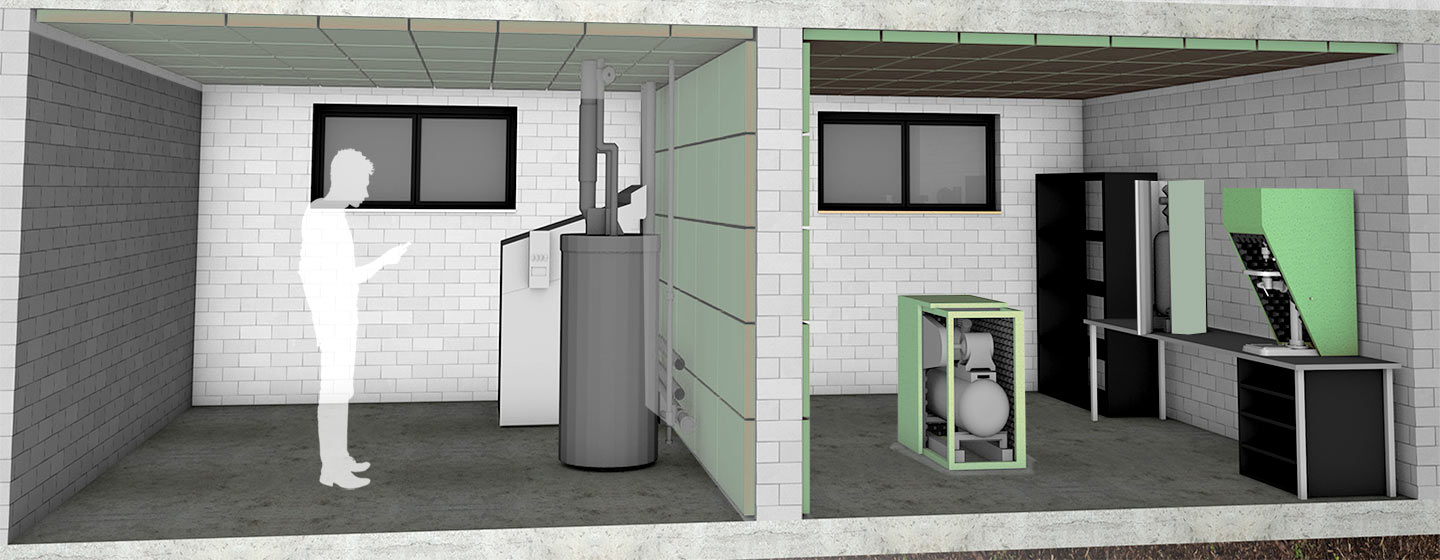
• Building services: Soundproofing heat pumps or ventilation systems
Conclusion
Hertz (Hz) describes the frequency of a sound wave and is one of the most important parameters in acoustics. Whether deep bass sounds, normal speech frequencies or high-pitched tones – each frequency places different demands on sound insulation. Knowing the frequency of a sound allows you to plan and implement suitable sound insulation measures much more effectively.
FAQ – Frequently asked questions about hertz (Hz)
What does Hz mean in relation to sound?
Hertz (Hz) indicates how many vibrations a sound wave makes per second. It determines whether a sound is low-pitched or high-pitched.
Are high or low frequencies more difficult to dampen?
Low-frequency sounds are generally much more difficult to reduce than high frequencies, as they travel further and penetrate building materials more easily.
Which frequencies are the most disruptive?
Low-frequency sounds (e.g. humming or bass) are often perceived as particularly disruptive, as they travel far and are difficult to stop.
Why are frequencies measured in sound insulation?
Frequency is a key factor in determining which sound insulation materials and acoustic elements are suitable for effective noise reduction.
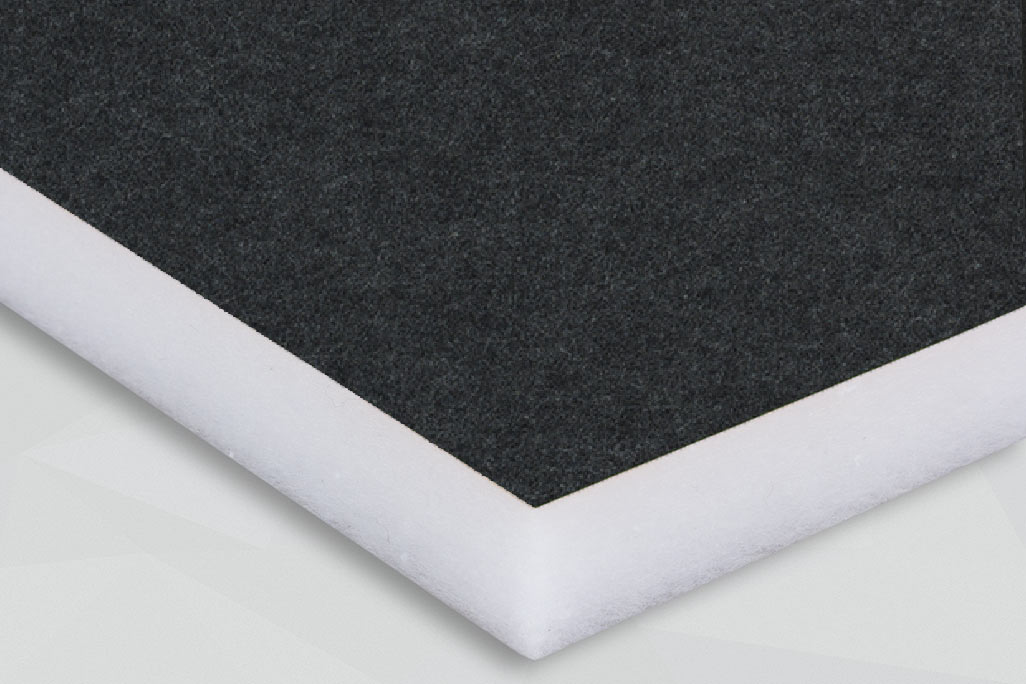
Content: 0.5 m² (€71.80* / 1 m²)
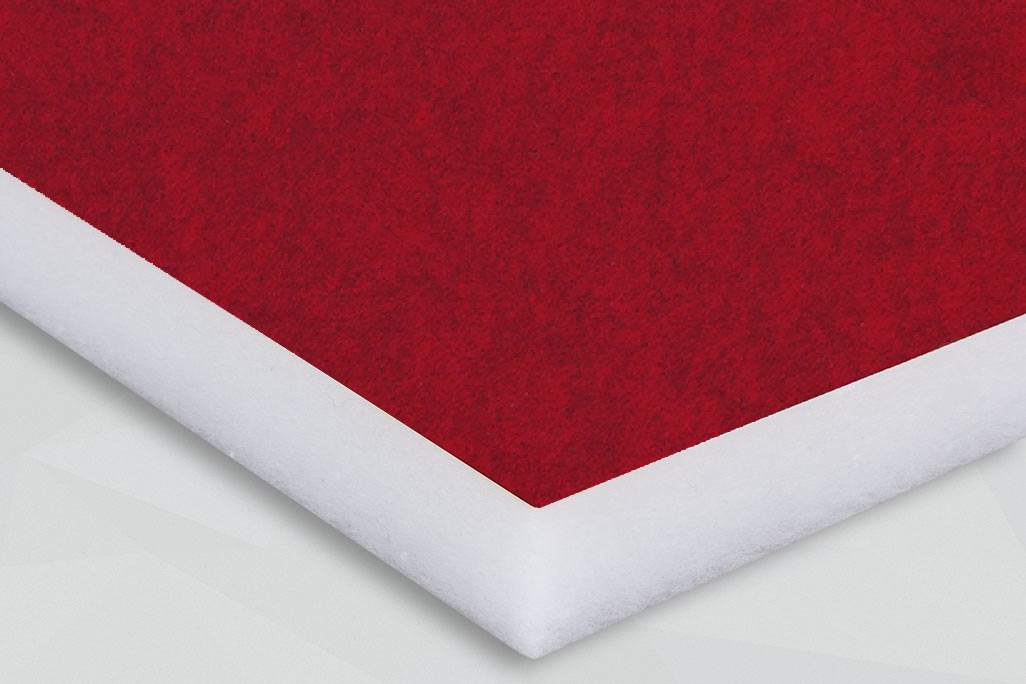
Content: 0.384 m² (€67.19* / 1 m²)
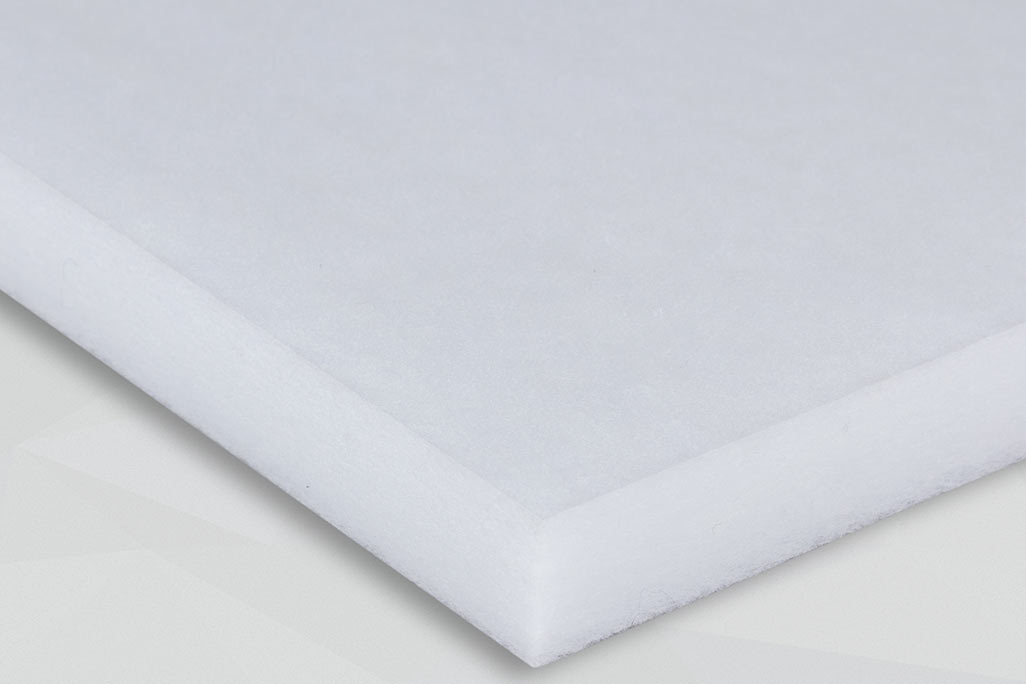
Content: 0.5 m² (€35.80* / 1 m²)
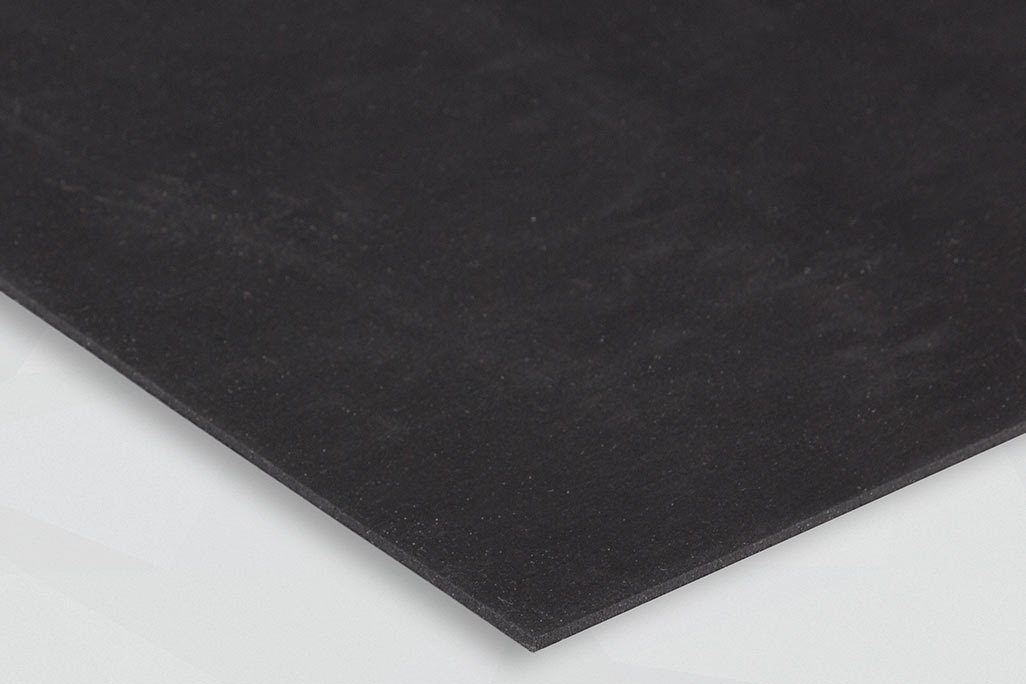
Content: 0.5 m² (€27.80* / 1 m²)
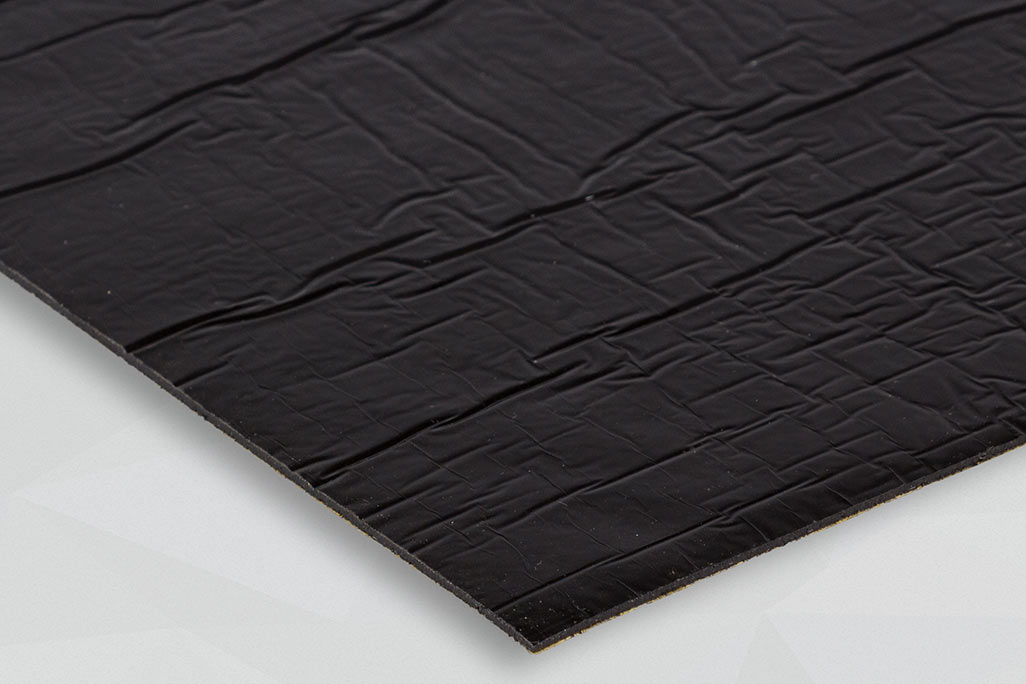
Content: 0.5 m² (€31.00* / 1 m²)
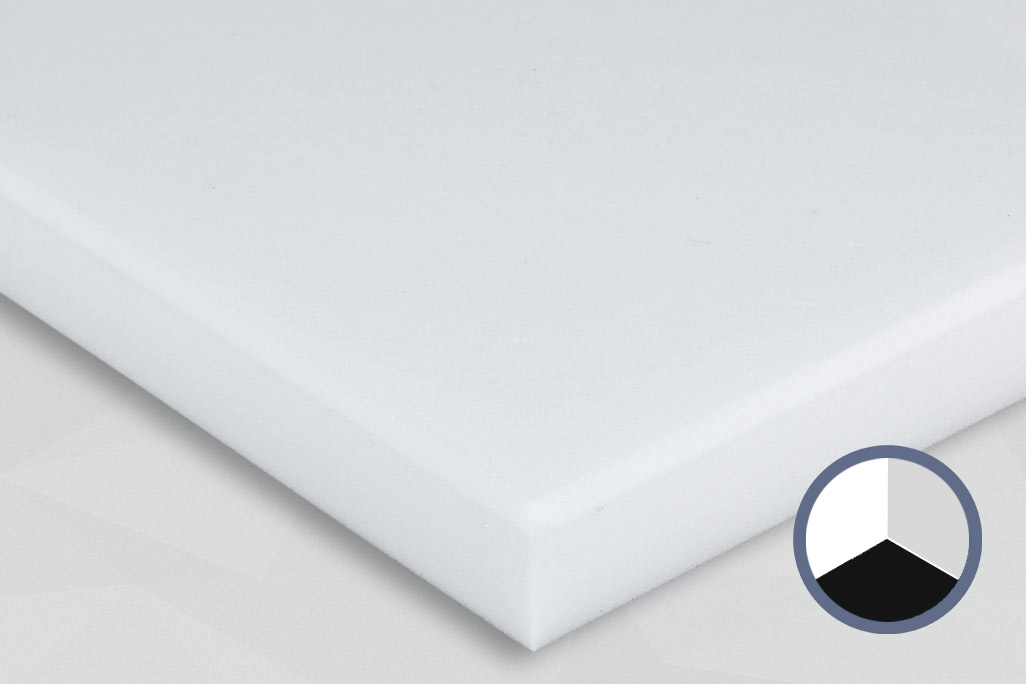
Content: 0.5 m² (€0.00* / 1 m²)
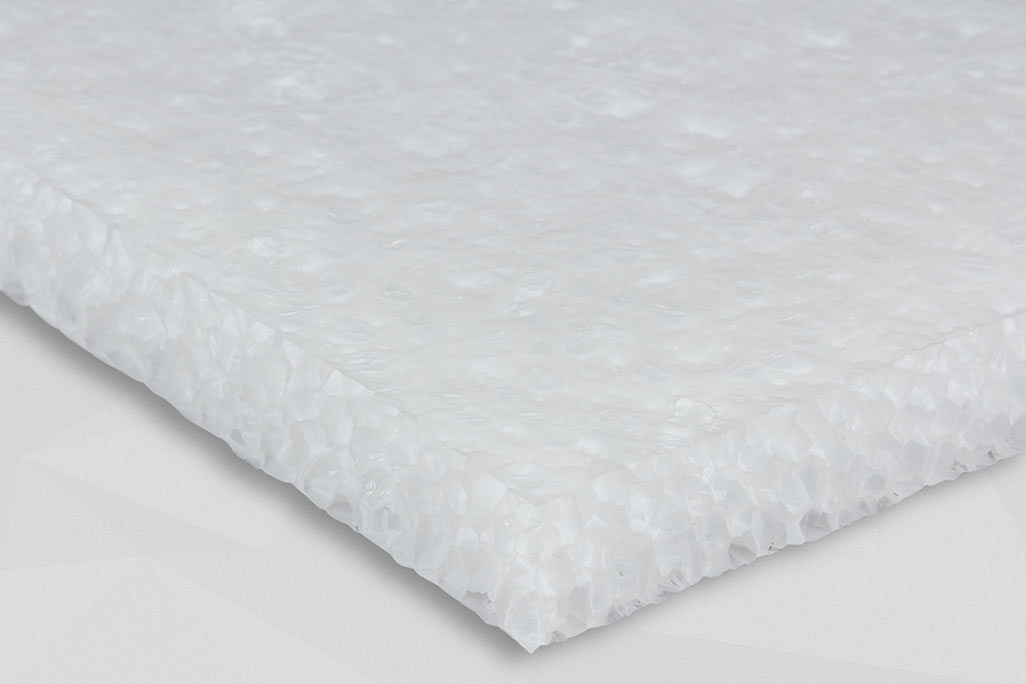
Content: 0.5 m² (€27.80* / 1 m²)