
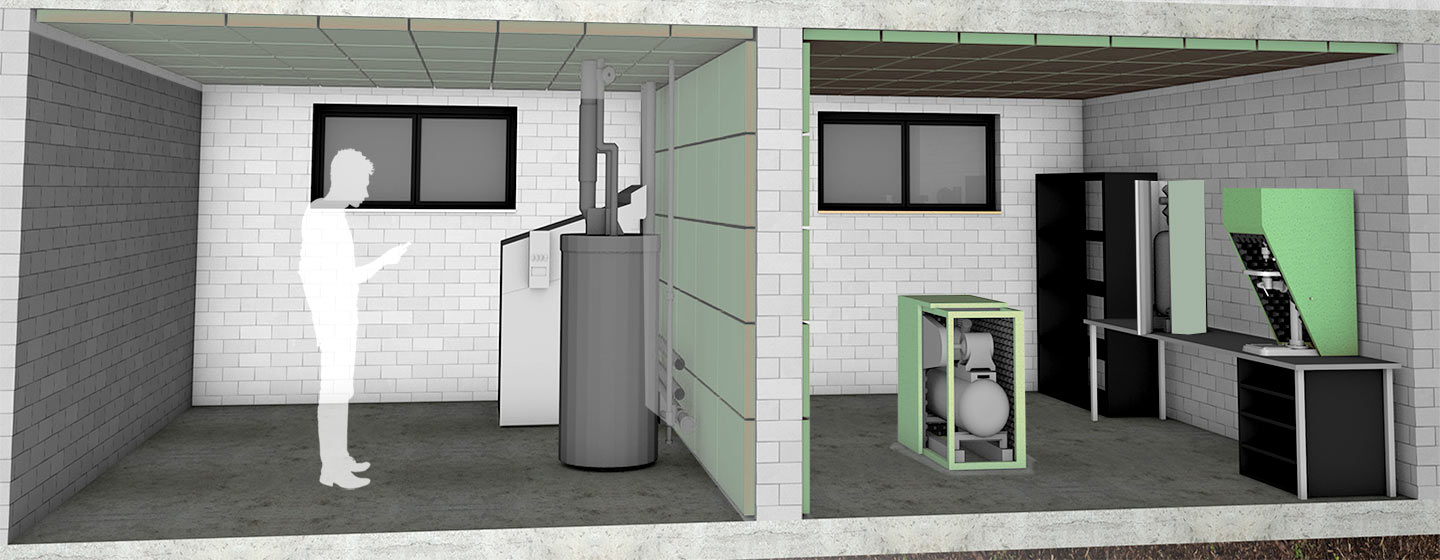

Frequency
Frequency (Hz) – explained simply in the context of noise protection
Frequency describes how quickly a sound vibrates. It is measured in hertz (Hz) – that is, vibrations per second.
In everyday life, frequency determines how we perceive a sound:
• Low frequencies → a dull hum (e.g. heat pump, motor)
• High frequencies → a high-pitched whistling or hissing (e.g. fan, electronics)
This is particularly important in noise protection: not every material is equally effective against every type of noise.
Why is frequency important in noise control?
Sound consists of many frequencies at the same time. Therefore, the effectiveness of acoustic materials depends on which frequencies need to be reduced:
• Low frequencies (20–250 Hz)
Examples: heat pumps, subwoofers, machinery & engines → harder to absorb, require thicker or
specialised absorbers
• Mid frequencies (250–2000 Hz)
Examples: Voices & speech, household appliances, traffic → can be treated very effectively with standard acoustic panelsr
• High frequencies (2000 Hz and above)
Examples: Whistling, hissing, fans & electronics → often easy to dampen, require less material thickness
How do I perceive different frequencies?
Humans typically hear in the range of 20 Hz to 20,000 Hz..
The following applies:
• Low-frequency sounds are felt more physically
• High-frequency sounds are perceived clearly and directly
This explains why rumbling or bass is often perceived as more disruptive and is harder to deal with.
Which soundproofing solution is best suited to which frequency?
For domestic use, the rule of thumb is:
• Low frequencies:
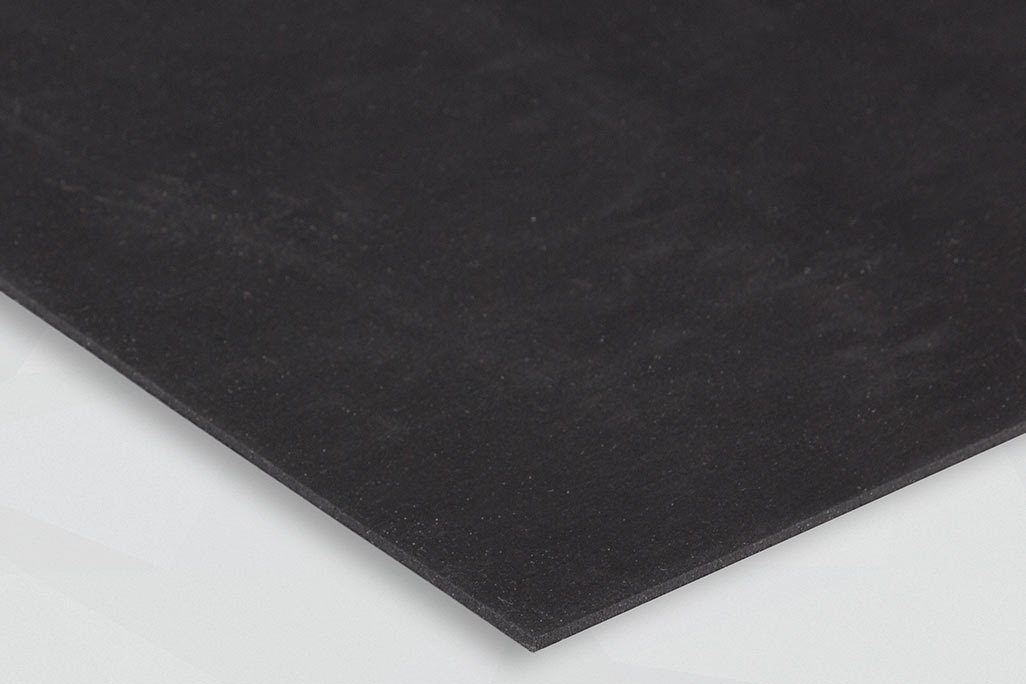
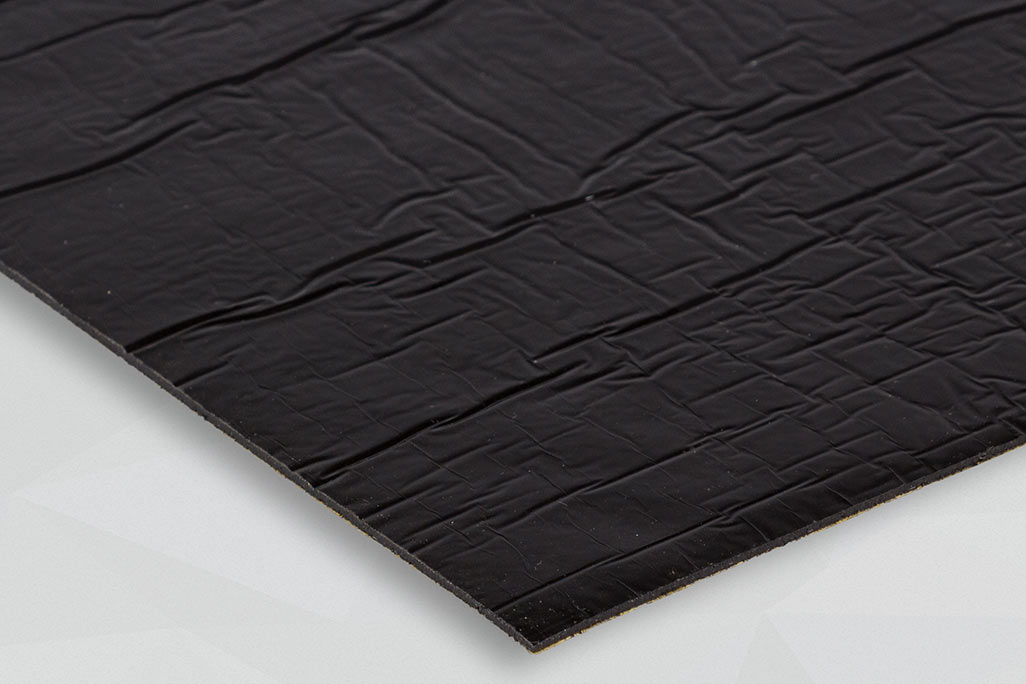
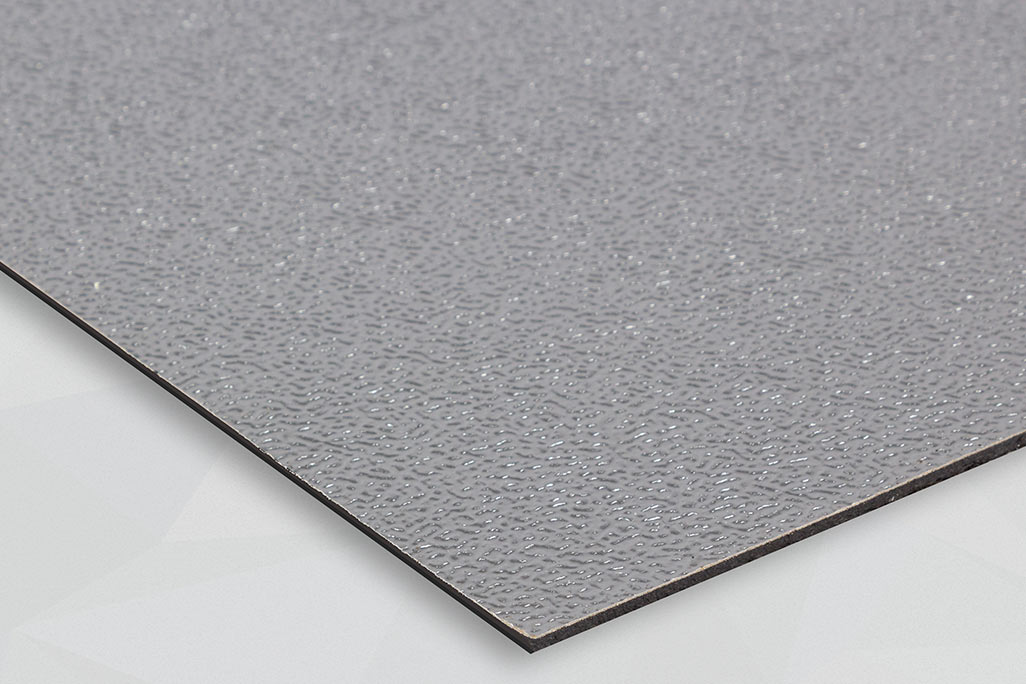
→ heavy, dense materials (e.g. heavy-duty foils)
• Mid-range frequencies:
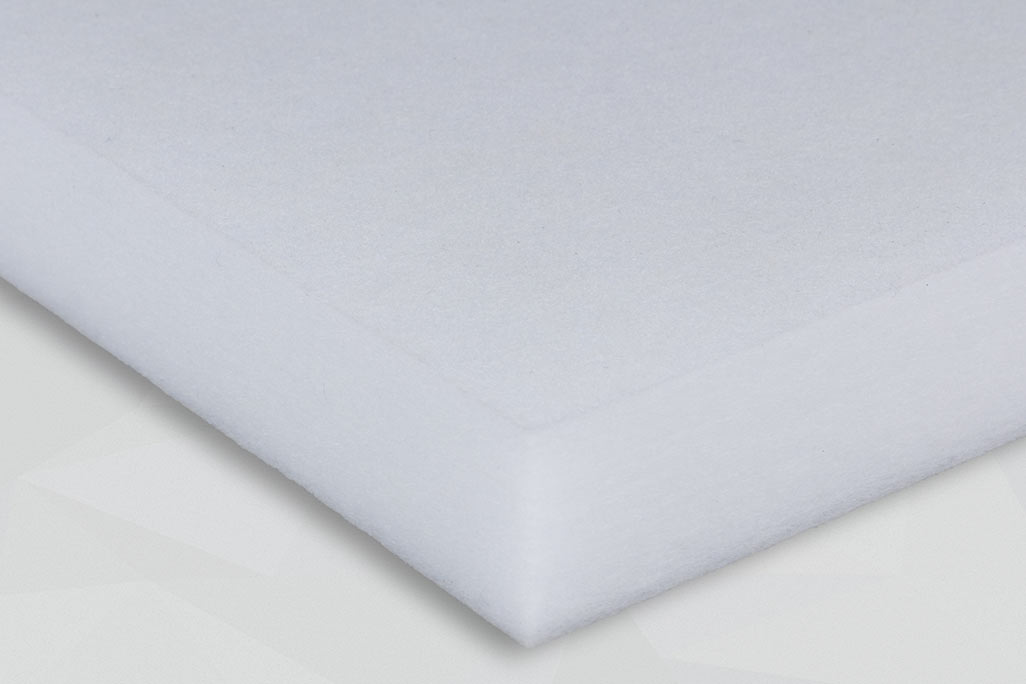
→ traditional acoustic solutions such as foam or fleece
• High frequencies:
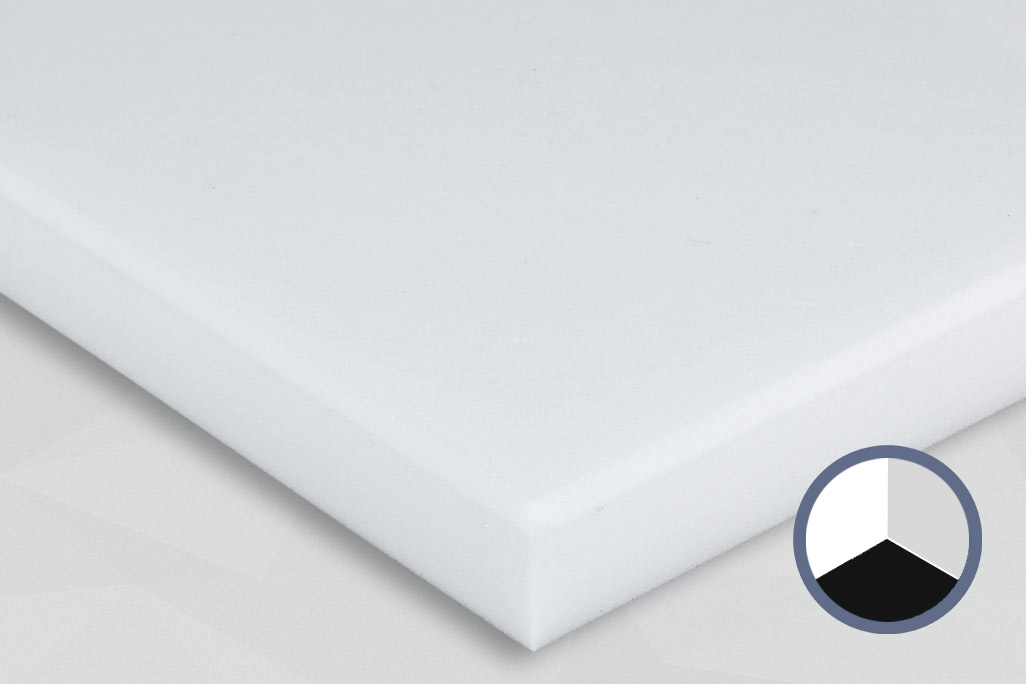
→ open-cell absorbers (e.g. melamine foam)
👉 A combination of several materials is often the most effective.
Conclusion
Frequency is one of the most important factors in noise protection.
If you understand it, you can select the right measures and achieve significantly better results – whether in a hobby room, home office or technical area.
FAQ – Frequently asked questions about frequency
What does frequency mean in the context of noise protection?
Frequency describes the number of vibrations of a sound wave per second. It determines whether a sound is high-pitched or low-pitched and influences which acoustic materials are suitable for reducing noise.
Which frequencies are the most difficult to dampen?
Low frequencies below 250 are particularly difficult to dampen. They require materials with high mass or greater material thickness, as these sounds have long wavelengths and penetrate deep into walls and ceilings.
What frequencies can humans hear?
Humans can hear frequencies ranging from approximately 20 Hz to 20,000 Hz. Anything below or above this range is inaudible, but may still be perceptible.
Why don’t some soundproofing materials block out all noise?
Because soundproofing materials are only effective within specific frequency ranges. That is why choosing the right one is crucial.
What frequencies do acoustic panels cover?
Standard acoustic panels are particularly effective in the mid and high frequency ranges. For low frequencies tronger absorbers, bass traps or special panels are required.
Content: 0.5 m² (€71.80* / 1 m²)
Content: 0.384 m² (€67.19* / 1 m²)
Content: 0.5 m² (€35.80* / 1 m²)
Content: 0.384 m² (€56.51* / 1 m²)
Content: 0.5 m² (€27.80* / 1 m²)
Content: 0.5 m² (€31.00* / 1 m²)
Content: 0.5 m² (€45.40* / 1 m²)
Content: 0.5 m² (€0.00* / 1 m²)
Content: 0.5 m² (€99.80* / 1 m²)