




Noise control
Sound insulation and noise control encompass all measures designed to reduce the transmission and propagation of sound and thereby minimize noise. They play an important role wherever disruptive noise needs to be reduced, acoustic conditions improved, or legal noise protection requirements met.
Sound insulation and noise control are used in a wide range of areas, including industry, mechanical and plant engineering, automotive and rail vehicle manufacturing, medical technology, buildings, and room acoustics. Depending on the application, different materials and technical measures are used.What Is Sound Insulation and Noise Control?
Sound is generated by vibrations and can propagate in different ways. A basic distinction is made between airborne sound and structure-borne sound.
Airborne sound propagates through the air. Examples include voices, music, or noises from machines and vehicles. When sound hits walls, housings, or other components, it can cause them to vibrate and thereby transmit the sound further. Structure-borne sound, on the other hand, propagates through solid materials. Vibrations generated by machines, motors, or building components can be absorbed by the structure and transmitted through the construction. Impact sound is also classified as structure-borne sound: when a floor is walked on, vibrations are generated that can spread through ceilings and walls. Effective noise control therefore aims to address the sound source, the transmission path, and the sound receiver as specifically as possible.How Does Sound Insulation and Noise Control Work?
Various measures are available for effective noise control. The most important include sound insulation, sound absorption, and structure-borne sound decoupling.
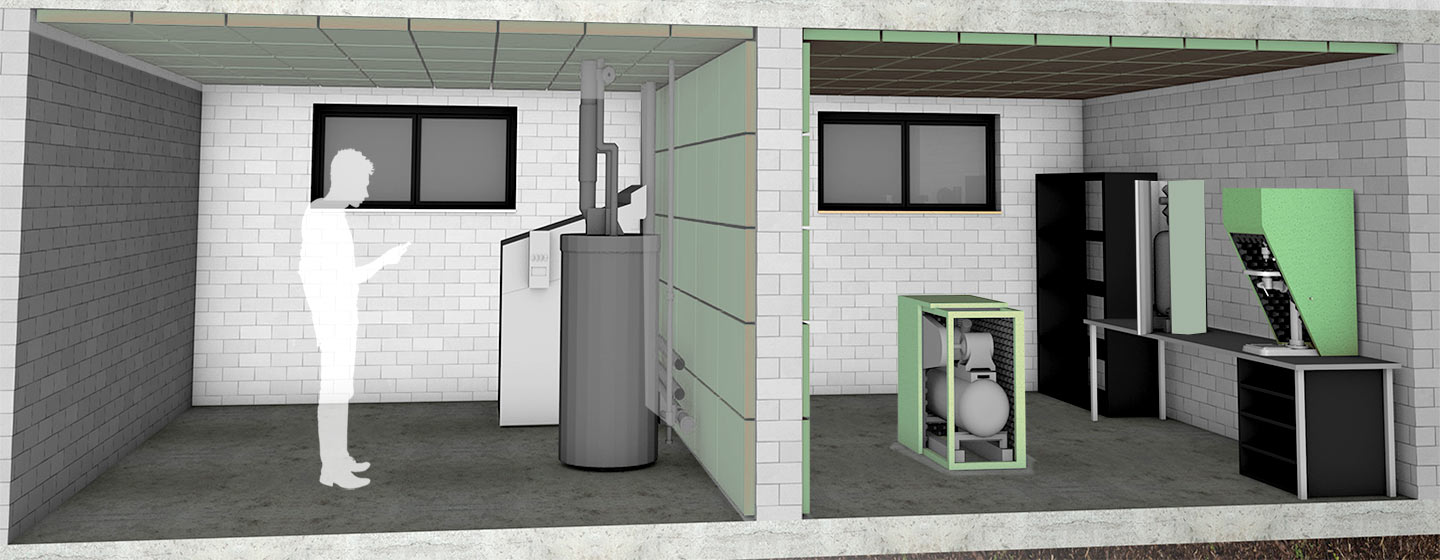
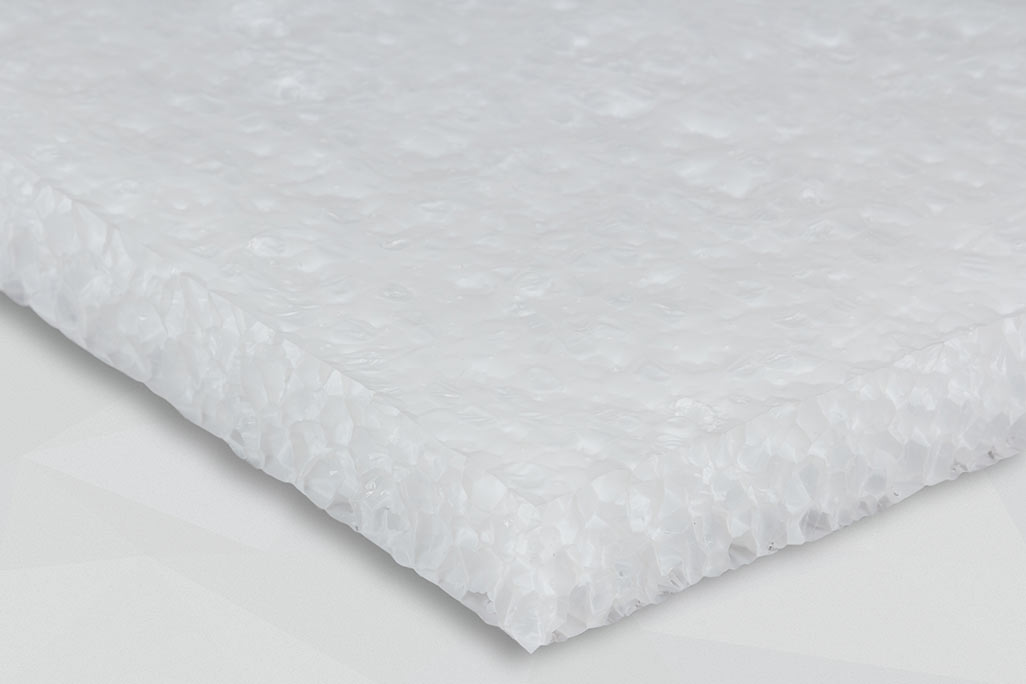
Sound insulation reduces the transmission of sound from one area to another. Materials such as heavy sound-insulating foils or multilayer insulation systems can be used for this purpose. They make it more difficult for sound to pass through components and structures. Sound absorption takes a different approach. Sound-absorbing materials such as acoustic foams or acoustic nonwovens absorb part of the sound energy through their open-cell structure. This reduces sound reflections and reverberation. Particularly in rooms, machine enclosures, and housings, this can significantly improve the acoustic environment. Structure-borne sound decoupling involves mechanically separating vibrating components from one another. This helps prevent vibrations and structure-borne sound from being transmitted through machines, housings, pipelines, or building structures. In practice, these measures are often combined.Why Is Sound Insulation and Noise Control Important?
High noise exposure can impair communication and concentration and can become a significant burden in everyday life and at the workplace. Prolonged exposure to high noise levels can also have health effects. Targeted noise control therefore helps make working and living environments more pleasant and reduce acoustic exposure.
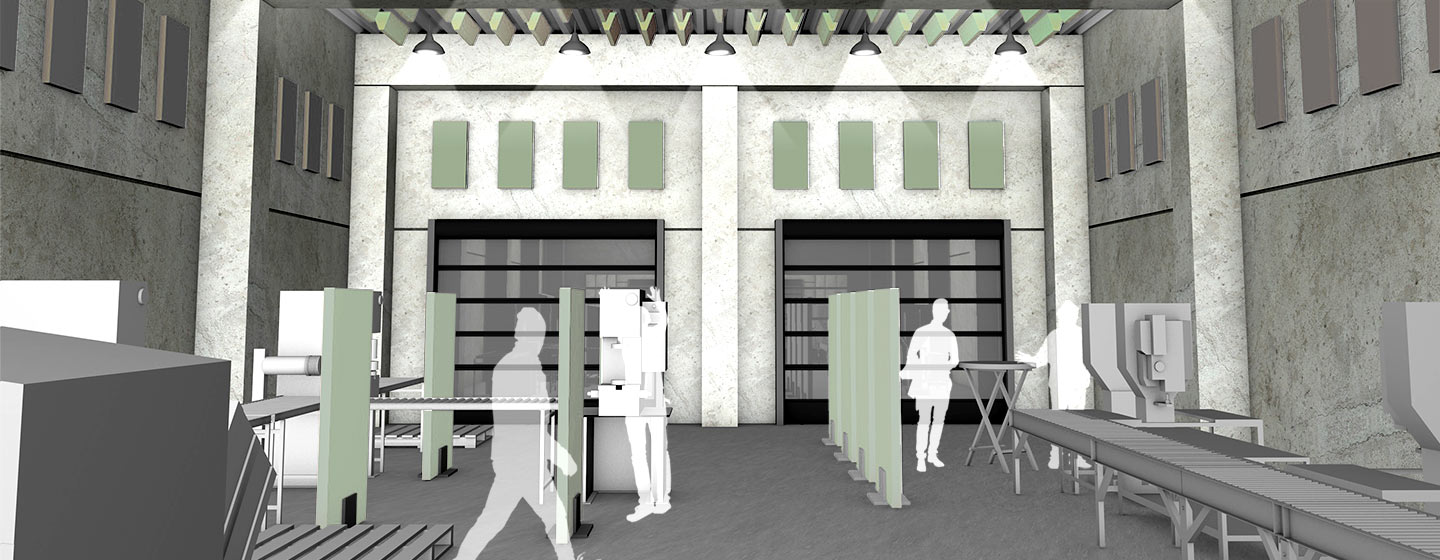
In production halls, workshops, and machine rooms, machines, tools, motors, and production processes can generate high noise levels. An appropriate combination of sound insulation, sound absorption, and structure-borne sound decoupling can help reduce noise exposure and improve acoustic conditions in the workplace. Another important area is room acoustics. Particularly in offices, meeting and conference rooms, schools, daycare centers, kindergartens, canteens, restaurants, and public facilities, targeted sound absorption can reduce reverberation and improve speech intelligibility. Acoustic solutions are also used in large spaces such as sports halls and event venues to create a more pleasant sound environment and increase acoustic comfort. Different solutions are available, including wall and ceiling absorbers, suspended ceiling inserts, acoustic baffles, acoustic panels, and freestanding acoustic elements such as partition walls or room dividers. Depending on the room and application, these solutions can be combined to optimize room acoustics in a targeted manner. In addition, sound insulation and noise control can help meet legal noise protection requirements and reduce noise emissions.Sound Insulation and Noise Control in Different Applications
The requirements for sound insulation and noise control vary depending on the field of application. Accordingly, different materials and construction principles are used.
Typical applications include: • Mechanical engineering: Sound insulation and sound absorption for machine rooms, machine enclosures, housings, and covers• Buses & commercial vehicles: Reduction of engine, driving, and operating noise, as well as thermal solutions for electric vehicles
• Rail vehicles: Acoustic and thermal solutions for walls and floors, as well as climate control and ventilation areas
• Construction and agricultural machinery: Robust sound-insulating materials for demanding operating conditions
• Heat pumps: Sound absorbers and insulation systems for reducing operating noise
• Medical technology: Acoustic solutions for diagnostic equipment and laboratory technology
• Cabins, enclosures, and covers: Acoustic linings for machine housings and soundproof cabins
• Rooms: Sound absorbers and acoustic solutions for reducing reflections and reverberation
Sound Insulation and Room Acoustics
Sound insulation and room acoustics pursue different but interconnected objectives.
While sound insulation primarily focuses on reducing the transmission of sound between different areas, room acoustics deals with the propagation of sound within a room. Sound-absorbing elements on walls or ceilings absorb sound waves and reduce disruptive reflections and reverberation. This can improve speech intelligibility and acoustic comfort. Such measures are used, among other places, in offices, conference rooms, schools, kindergartens, production halls, public buildings, and residential spaces.Which Materials Are Used for Sound Insulation and Noise Control?
Depending on the requirements, different materials are used. These include, among others:
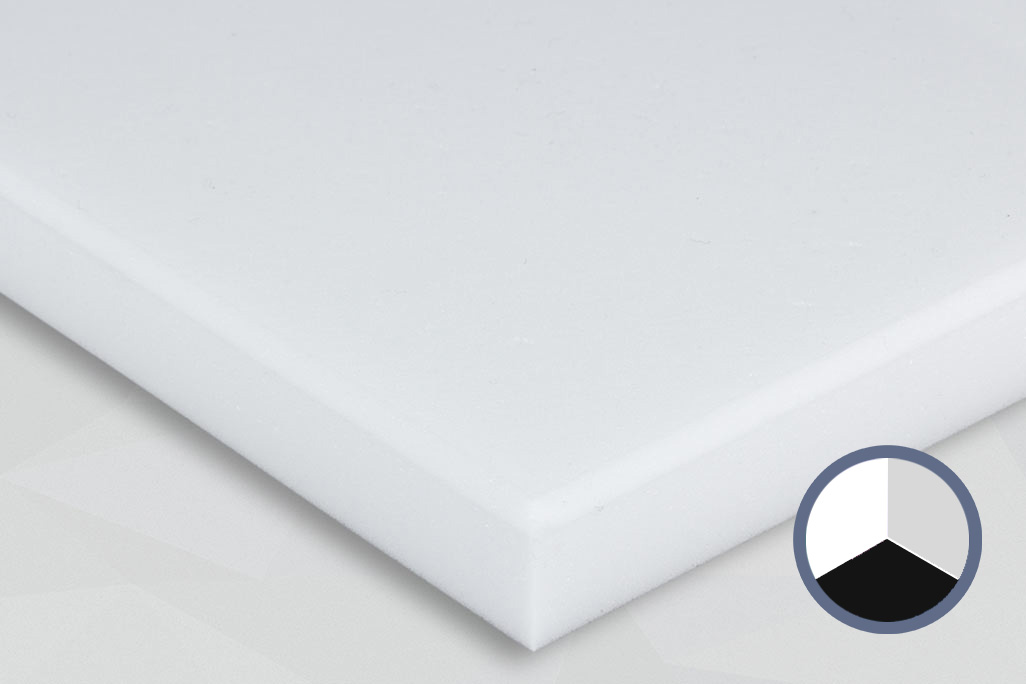
• Heavy sound-insulating foils to reduce sound transmission• Acoustic foams to absorb sound energy
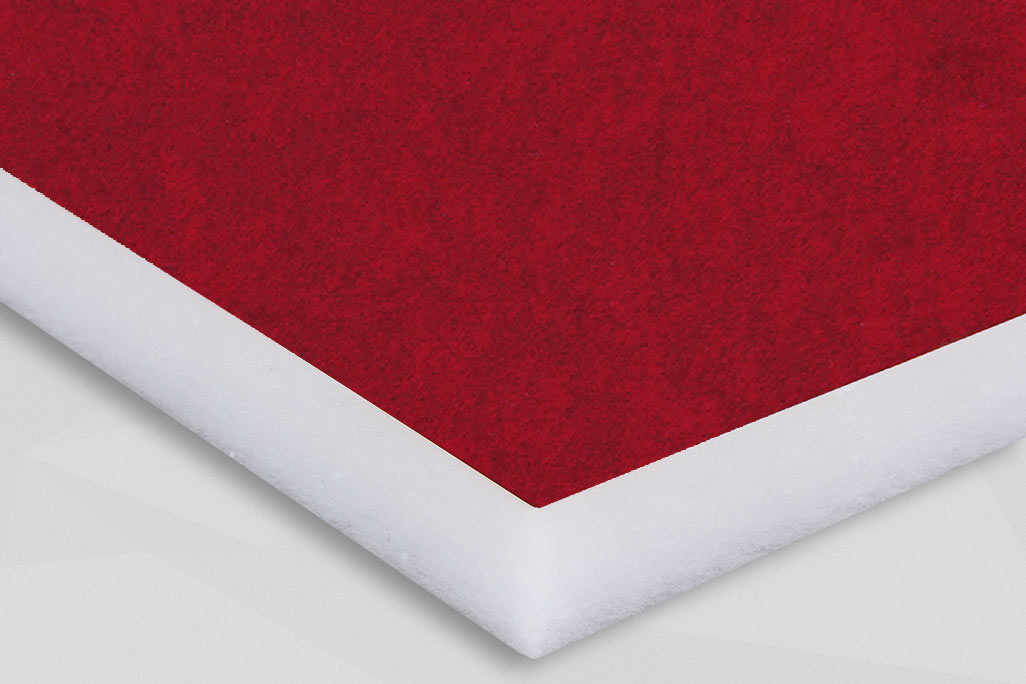
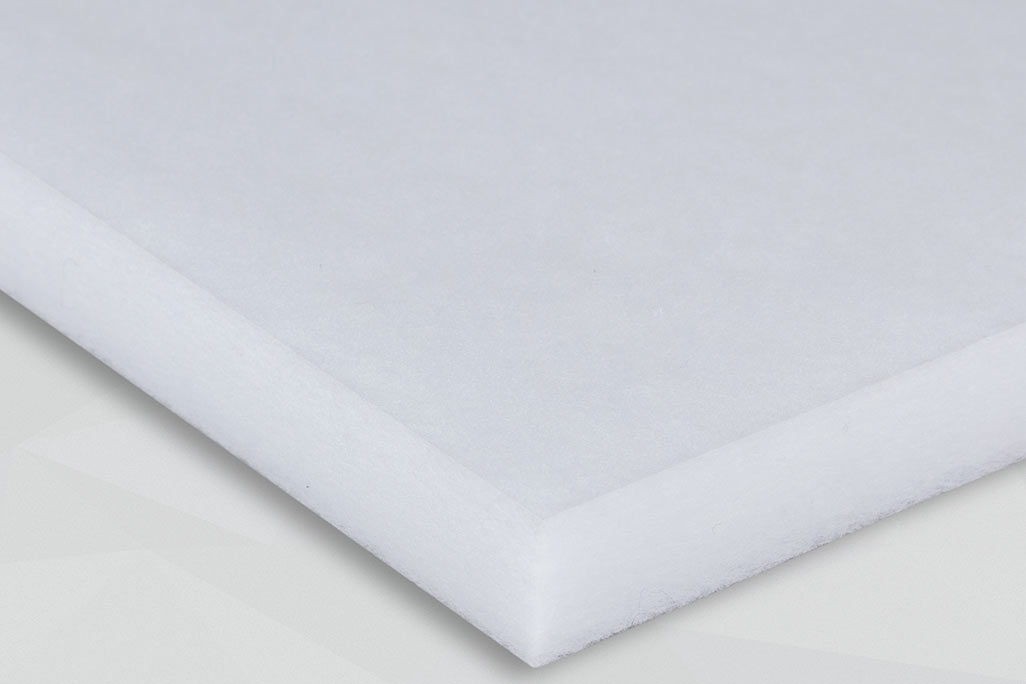
• Acoustic nonwovens and fleece materials for sound absorption and acoustic optimization
• Composite materials combining sound-insulating and sound-damping properties The most suitable material depends on factors such as the sound source, frequency range, construction, and the respective environmental conditions.
Planning Sound Insulation and Noise Control Effectively
Effective noise control should always be tailored to the specific situation. Important factors include the type and intensity of the sound source, the transmission path, the relevant frequency ranges, as well as the structural and technical requirements.
A professional noise control solution therefore considers not only the material used but the entire acoustic system. Depending on the application, a combination of sound insulation, sound absorption, and structure-borne sound decoupling may be required. When properly planned, sound insulation and noise control help reduce noise in a targeted manner, improve acoustics, and sustainably increase comfort in working, residential, and technical environments.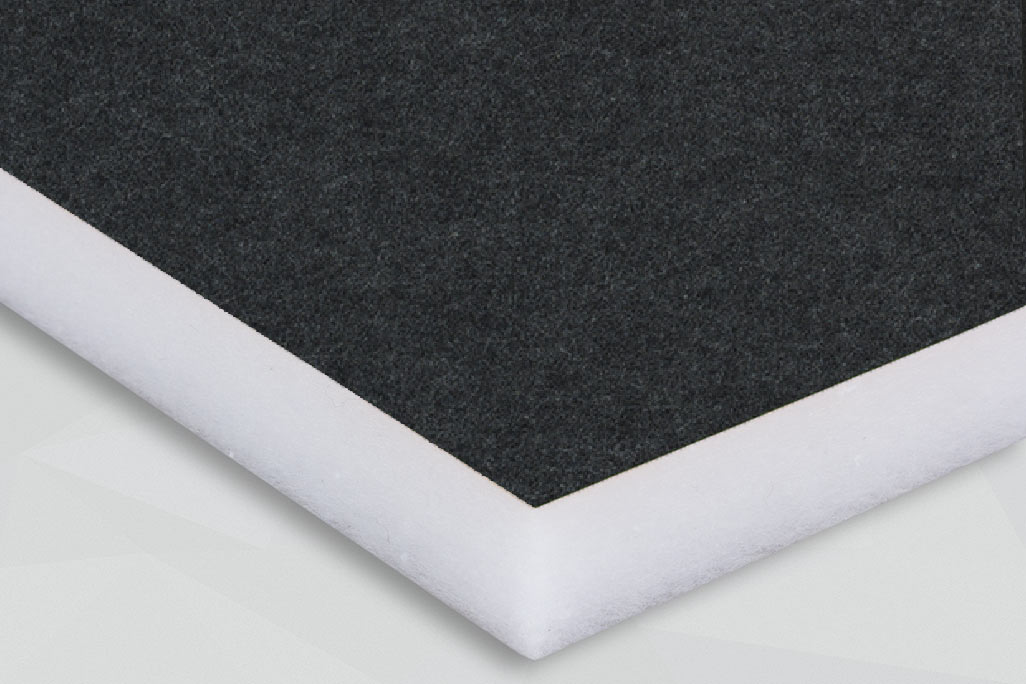
Content: 0.5 m² (€71.80* / 1 m²)
Content: 0.384 m² (€67.19* / 1 m²)
Content: 0.5 m² (€35.80* / 1 m²)




Content: 0.5 m² (€0.00* / 1 m²)
Content: 0.5 m² (€99.80* / 1 m²)
Content: 0.5 m² (€27.80* / 1 m²)